
Motor Skill
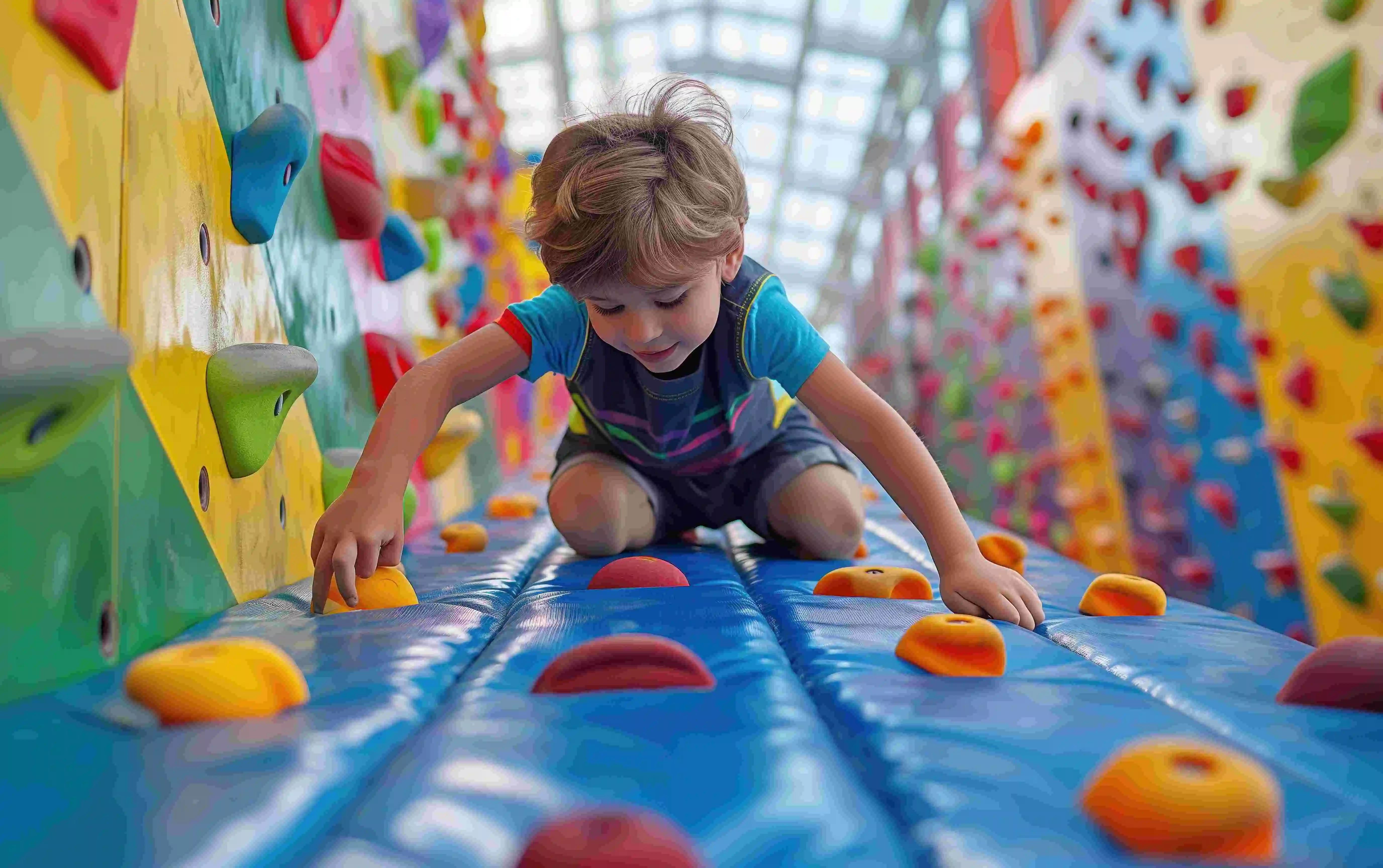
Consisting primarily of gross motor skill toys, these focus on larger movements involving the arms, legs, and torso, helping children develop overall body coordination and strength.
The characteristic of gross motor skill toys is that they emphasize the exercise of large muscles of the body, improving the ability of various parts of the body can be exercised.
Gross motor skill toys achieve the purpose of exercise through sliding, crawling, swinging, rotating, climbing, and other movement methods.
Montessori Bean Bags Multicolor Sand Bags Set of 10 for Preschool Learning
Model NO.:LD25SE411D

Safe & Fun Soft Play Climbing and Sliding for Kids
Model NO.:LD25R815
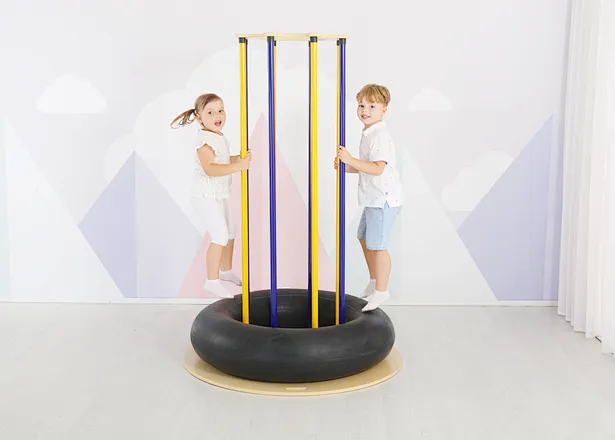
Children's Monkey Jump Junior Round Trampoline
Model NO.:LD25M729

55" Kids Trampoline with Safety Net and U shape handle
Model NO.:LD252A526

8 in 1 Trampoline for kids with Safety Enclosure Net & U shape handle
Model NO.:LD252A527


Soft Play Ball Pool
Model NO.:LD2A2532

Sensory Soft Play Mat Shape Matching Mat
Model NO.:LD2A2531
- 1
- 2
- 3
- 4
- 15

Key Takeaways
Motor skills toys let kids practice moving and exploring through play. These motor skills toys are designed to help develop both fine and gross motor skills. They support children with autism and kids of all abilities in getting stronger. Motor skills toys also improve balance and hand-eye coordination. Simple motor skills toys, like stacking blocks or sensory objects, encourage growth and development.
These activities spark curiosity in kids. Research shows that children who engage with motor skills toys and activities develop better thinking and social skills. While flashy toys may seem appealing, simple motor skills toys are often more effective. Kids benefit from toys that let them use their hands, explore, and play with others. Every child needs access to motor skills toys for healthy growth and development.
Motor skills toys help kids move their muscles. These toys make kids stronger and help with balance. They also improve hand-eye coordination. Fine motor skills toys like blocks and puzzles help kids control their fingers. These toys also help kids be creative. Gross motor skills toys like swings and climbing gear make bodies stronger. They also help with coordination.
Playing with these toys helps kids learn new things. It builds social skills and confidence. This is very helpful for kids with autism or special needs. Pick toys that are safe and right for your child's age. The toys should be a little challenging. This keeps kids interested and proud of what they do. Use different kinds of toys and switch them often. This makes playtime fun and full of learning chances.
Motor Skills and Child Development
What Are Motor Skills?
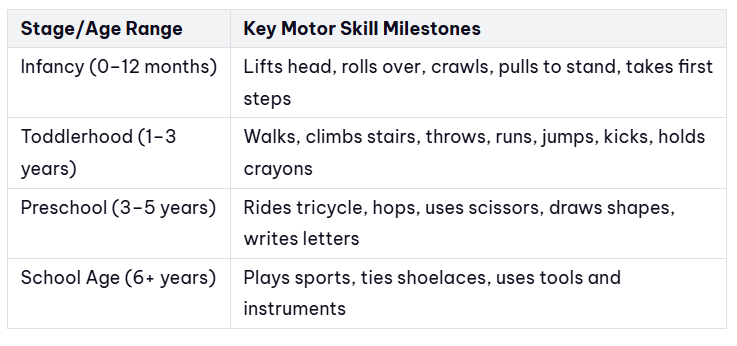
Kids grow by moving and exploring their world. Motor skills help kids use their bodies to do things. There are two main types of motor skills. Gross motor skills use big muscles for actions like running or jumping. Fine motor skills use small muscles in the hands and fingers. These help with tasks like picking up tiny things or buttoning a shirt.
Motor skills develop in steps as kids get older. Here are some important milestones:
Why They Matter
Motor skills are not just about moving. They help kids grow in every way. Gross motor skills build strength and balance. Fine motor skills toys help kids control their hands and fingers. Both types help kids learn, play, and make friends.
Here’s why motor skills are so important:
· They help kids do things on their own, like getting dressed or eating.
· Motor skills help kids get ready for school and group activities.
· Kids with strong motor skills often do better in school and with friends.
· Early practice, especially for kids with autism, can help them feel more confident and do better later.
Types of Motor Skills Toys
When you shop for toys to help your child, you will see two main kinds. There are fine motor skills toys and gross motor skills toys. Each kind helps your child move in different ways. These toys help your child learn skills they will use all their life.
Fine Motor Skills Toys
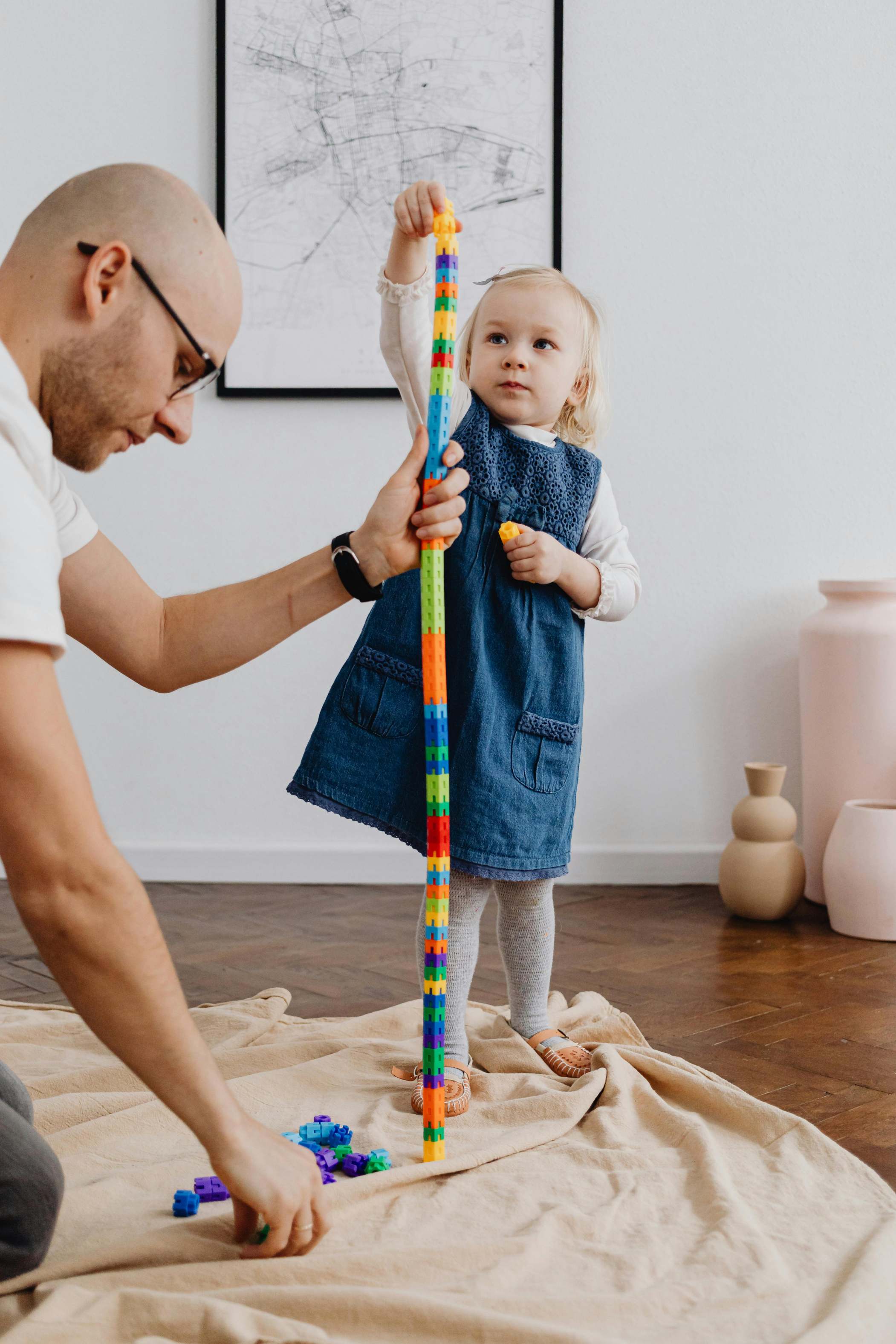
Fine motor skills toys help with small, careful movements. These toys let your child use their fingers, hands, and wrists. Your child uses these skills when picking up small things, drawing, or building with blocks. Fine motor skills toys make these tasks fun and interesting.
Here are some favorite fine motor skills toys and what they do:
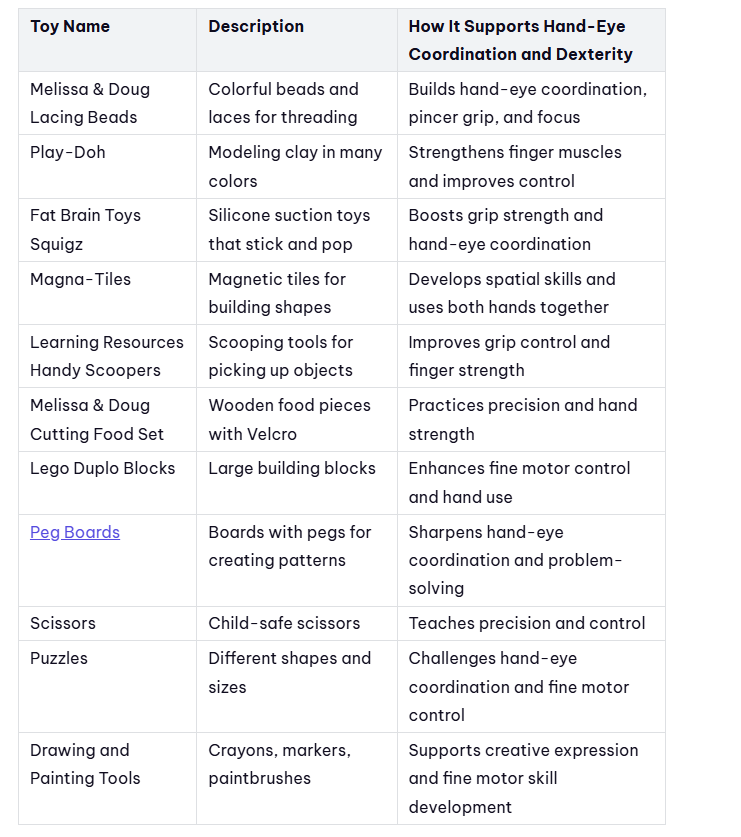
Fine motor skills toys do more than keep your child busy. They help your child get better at using their hands and fingers. These toys also help with hand-eye coordination and finger strength. When your child plays with these toys, they learn to solve problems and use their imagination. You may see your child get better at writing, drawing, or tying shoes after playing with these toys often.
Many fine motor skills toys also give sensory experiences. Sensory toys, like squishy balls or bumpy blocks, let your child explore in new ways. These toys help all children, including those with autism, by making learning safe and fun.
Gross Motor Skills Toys
Gross motor skills toys help your child use big muscles in their arms, legs, and body. These toys get your child moving, jumping, climbing, and balancing. Gross motor skills toys are great for active play and outdoor fun.
Here are some top gross motor skills toys and what they do:

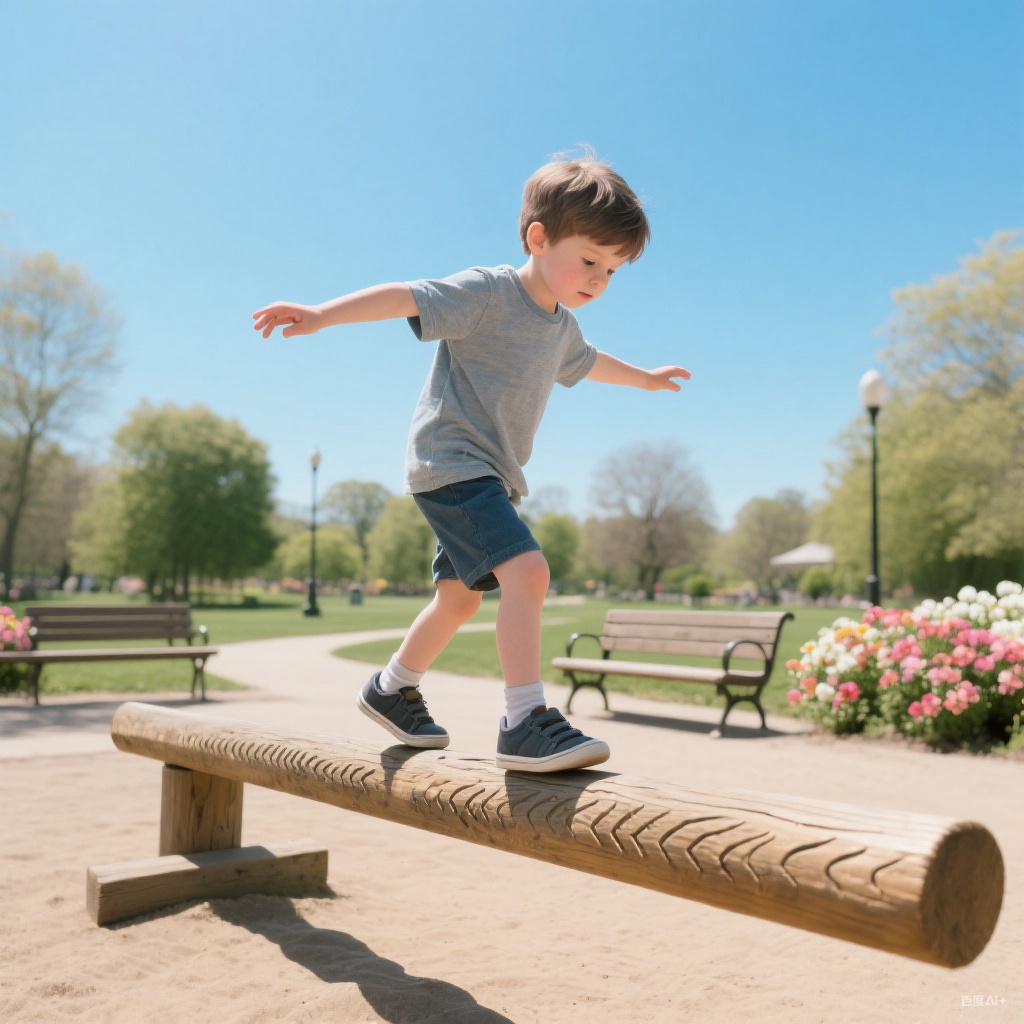
Gross motor skills toys let your child practice big movements. You might see your child climbing, swinging, or balancing on a beam. These activities help your child get stronger and improve balance. Playing with these toys also helps your child learn about space and how their body moves.
· Jumping on a mini trampoline makes legs stronger and helps balance.
· Obstacle courses help with crawling, jumping, and climbing. These boost coordination and problem-solving.
· Dancing to music helps with rhythm, balance, and showing feelings.
· Walking on grass or sand helps with sensory play and learning about space.
· Climbing on playgrounds or indoor gyms builds confidence and muscle strength.
You can find gross motor skills toys with sensory features, like bumpy surfaces or bright colors. These toys make playtime more fun and help kids with sensory needs. Many motor skills toys are safe, with non-toxic materials and no small parts. You can feel good about your child’s playtime.
Both fine motor skills toys and gross motor skills toys help your child grow. When you pick toys that fit your child’s needs, you help them learn balance, hand-eye coordination, and problem-solving. Sensory play makes learning even more fun and gives your child more ways to grow.
Motor Skills Toys Activities
Play Ideas
You can make daily moments into fun games with motor skills toys. Try making an obstacle course in your living room. Use pillows, tunnels, and ride-on toys for this. These games get kids moving, jumping, and crawling. This helps them practice gross motor skills. You can also use balance beams or climbing toys. These help kids explore and get stronger. Water play is another fun choice. Let kids splash, pour, and scoop with cups and buckets. These sensory games help kids learn and stay interested.
Fine motor skills games are fun too. Give kids puzzles, lacing beads, or busy boards. These have locks and switches to use. These toys help kids use their fingers and hands in new ways. Drawing, painting, and building with blocks spark creativity. They also help kids with hand-eye coordination. You can set up scavenger hunts for more fun. Kids can touch different textures and find things by color or shape. These games give many chances for sensory play and learning.
Social and Cognitive Benefits
When kids play together with motor skills toys, they learn social skills. Relay races, team games, and group sensory play teach sharing and talking. These games help kids with autism feel included and make friends. ABA therapy toys can help make play and practice more fun.
Motor skills toys also help kids think and learn. Kids solve problems when they stack blocks or finish puzzles. They use thinking and creativity during these games. Sensory play helps kids with autism handle feelings and learn about senses. Playing with these toys builds confidence. Kids feel proud when they learn new things. When you encourage play, you help kids grow, explore, and connect with others.


What We Supplied
Types of Gross Motor Skill Toys
Hopscotch or Obstacle Toys
Hopscotch or obstacle toys encourage children to move, jump, and run in physical space, improving their overall physical coordination and spatial sensory awareness
Climbing Toys
Climbing toys such as climbing frames, rope ladders, and climbing boards help exercise children's muscle strength, agility, and balance.
Balance Toys
Balance toys can help children exercise core strength and balance. For example, crossing stones, balance boards, and shaking boards can fully exercise children's balance ability
Ball Toys:
Throwing, catching, and kicking balls help improve coordination and gross motor skills. Toys that need to be thrown or caught, such as dodgeballs or toss and catch sets, are good ball choices.
Bouncing Balls and Jumping Toys:
Inflatable bouncing balls or bouncing toys promote balance and coordination while encouraging children to participate in more activities.
