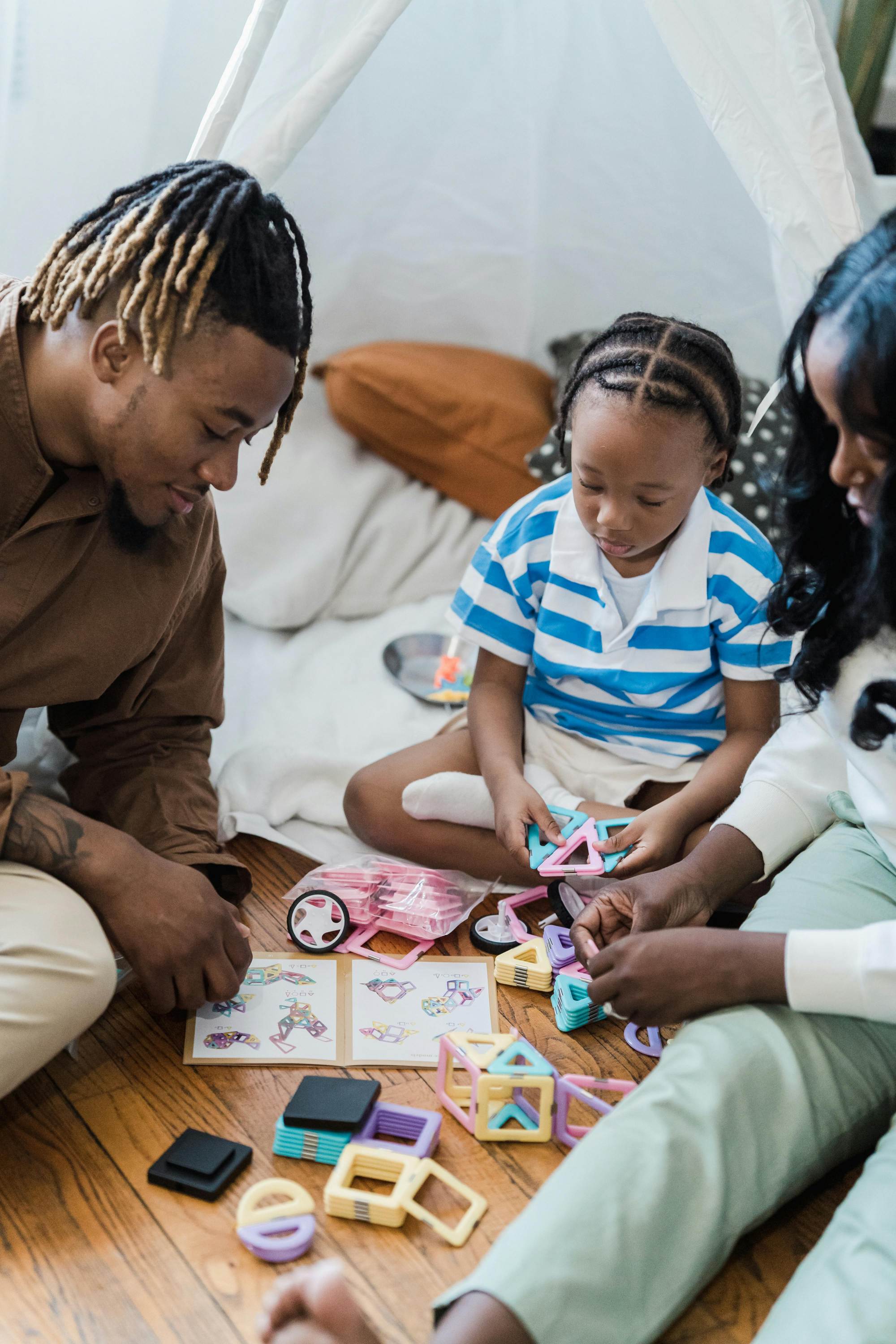
Educational Toys
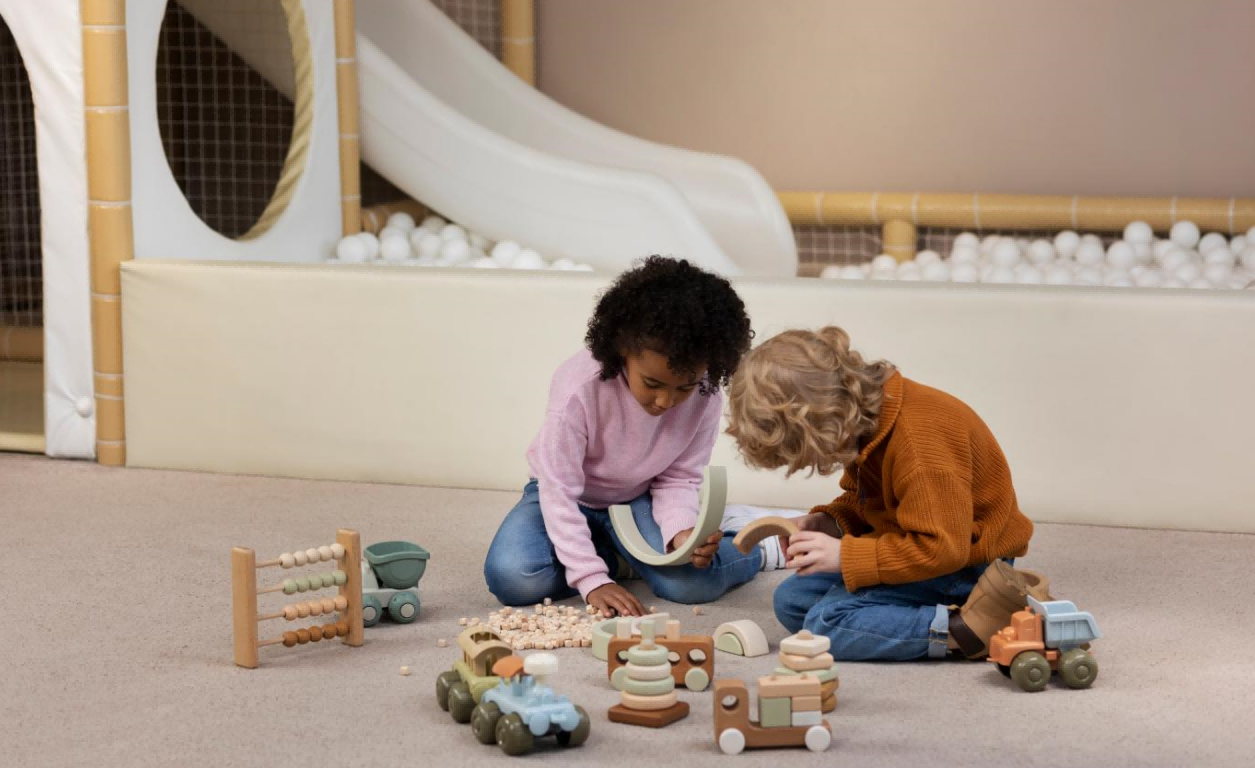
Educational toys can stimulate children's imagination and creativity. Educational toys are usually challenging and interesting, which can attract children's attention and guide them to solve problems through thinking, trying, and experimenting.
Educational toys can help children develop their thinking abilities through observation, comparison, analysis, and subsequent brainstorming. According to scientific research, children who often play with educational toys can increase their average IQ by 11 points.

Hand Puppets For Storytelling Puppet Characters For Kids Stories
Model NO.:LD26E71

Gaint Wooden Hollow Blocks 29 Piece Large Building Set for Preschool Classroom
Model NO.:LD26E72

Wooden Parking Garage with Gas Station 3 Cars Helicopter Elevator and Helipad
Model NO.:LD26E519


Multi theme 6 progressive puzzles 3 to 8pcs jigsaw puzzles for preschool learning
Model NO.:LD26E325


- 1
- 2
- 3
- 4
- 88
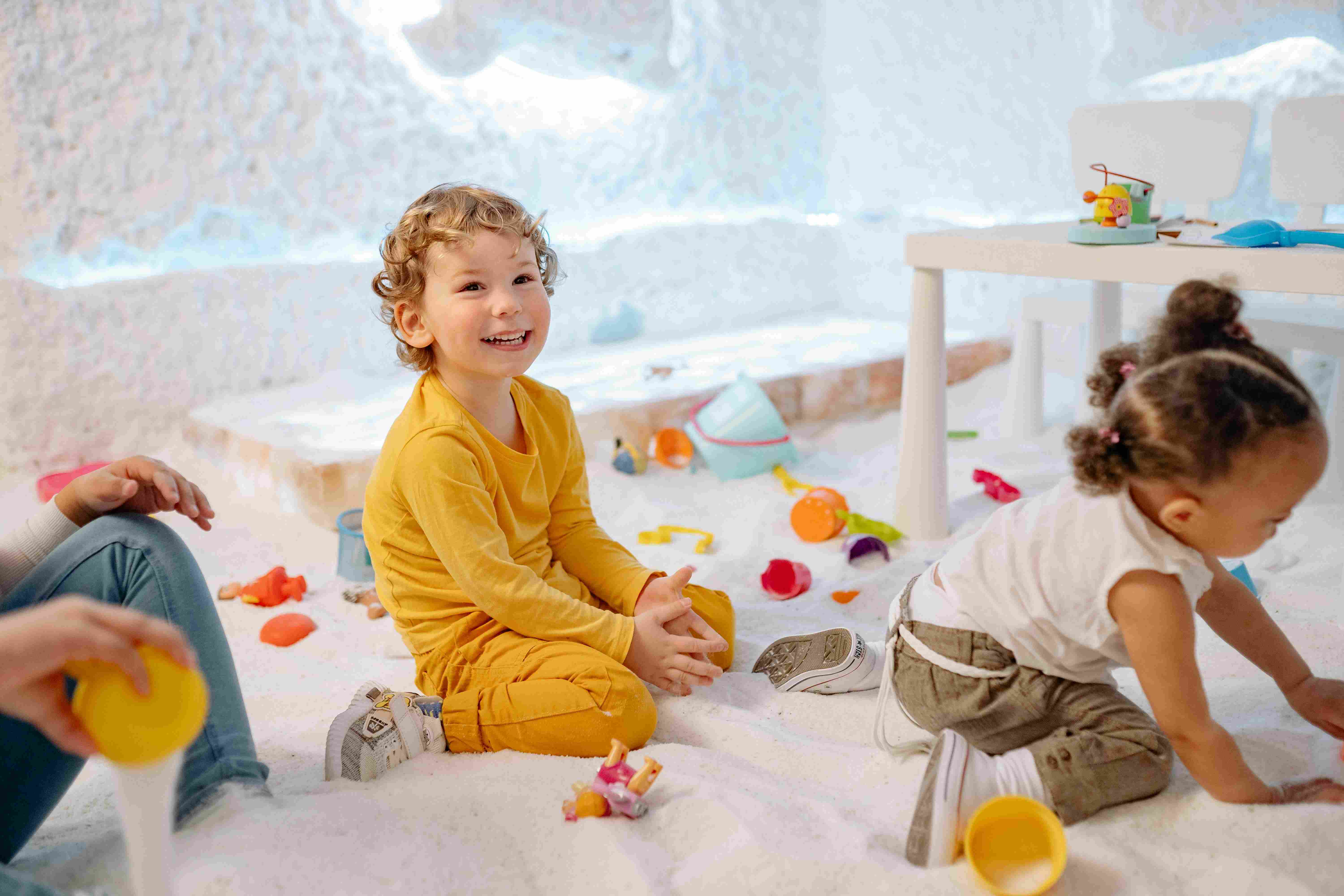
Key Takeaways
Educational toys help kids think, move, and work with others. They also help kids understand their feelings at the same time.
Picking toys that change as your child grows keeps them learning. It also keeps them interested for a longer time. Playing lets children try new things and make things. It helps them feel good about themselves and learn new skills. Give time for both free play and guided play. This helps kids be creative and learn new skills. Puzzles and building blocks help kids solve problems and remember things. They also help kids use their hands better. Role-play and group games help kids learn to share and talk with others. These games also help kids understand feelings.
Choose toys that are safe and right for your child's age. Make sure the toys fit what your child likes and can do. Play with your child to get closer and make learning more fun. This also helps your child learn better.
Impact of Educational Toys
Boosting Child Development
You help your child grow by picking interactive toys that fit their needs. Experts say playtime is very important in the first two years. You should pick toys that let kids explore, be creative, and play with others. These toys help your child learn about the world. They also help your child get ready for school later.
Interactive toys help kids learn in many ways. They help kids think better, remember things, and pay attention. They also help kids move their hands and bodies by stacking, sorting, and building. Kids learn to work together and talk to each other. These toys help kids share feelings and feel good about themselves. Kids stay interested and want to keep learning when they use these toys.
Studies show that toys like puzzles and building blocks are very helpful. These toys help kids think, move, feel, and get along with others. When kids play with these toys, they can explore, make things, and solve problems. Many parents like toys that do not need batteries. These toys help parents and kids play together, which is good for feelings and friendships.
Tip: Pick toys that your child can use as they grow. Toys that change with your child keep them interested and help them learn more.

Interactive toys help kids learn in different ways. Sensory play lets kids use their senses and move their hands. Pretend play helps kids use their imagination and talk more. Physical play helps kids move their bodies and balance. Building things teaches kids to wait and see how things fit together. Playing with others helps kids care and work together. Guided play lets kids explore with help from adults.
Interactive toys help kids learn to think, move, feel, and make friends.
Reaching Milestones
Interactive toys help kids reach big goals faster. Studies show that playing with the right toys helps the brain grow. This helps kids pay attention, control feelings, and learn new things.
You can use interactive toys to help your child’s senses, movement, thinking, talking, and making friends. For example, stacking blocks and shape sorters help babies and toddlers move their hands and solve problems. As kids get older, puzzles and memory games help them think better.
· Interactive toys help kids use their senses and move better.
· Doing the same play many times helps the brain grow stronger.
· Toys for each age help kids learn to think, plan, and work with others.
· Playing with love and care helps kids feel safe and calm.
Kids with special needs also do well with interactive toys. These toys give fun ways to learn and help with thinking, moving, feeling, and making friends. For example:
1. Storybooks that talk help kids read and listen.
2. Puzzle games help kids solve problems and think.
3. Sensory bins and playdough help kids use their senses and hands.
4. Physical play, like obstacle courses, helps kids move and balance.
5. Art and music help kids show feelings and feel good about themselves.
Note: Use interactive toys every day to help all kids, even those with special needs, reach their goals.
When you pick the right toys, you help your child learn to move, think, feel, and make friends. These skills help your child learn and do well in life.
Cognitive Development
You help your child’s mind grow by picking interactive toys. These toys make your child think and solve problems. They also help your child remember new things. When you give hands-on toys, your child learns language and motor skills. Interactive toys make learning fun. They help your child get ready for life.
Problem-Solving Skills
Problem-solving is very important for your child’s mind. You can help by giving toys that let your child explore and try new things. When kids face hard tasks, they learn to think and find answers. Toys like puzzles and building blocks help your child practice these skills every day.
Puzzles
Puzzles are great toys for problem-solving and motor skills. Your child uses their hands and eyes to fit pieces together. This helps fine motor skills and pattern spotting. Puzzles also teach patience and focus. Studies show that STEM toys, like puzzles, help with problem-solving and teamwork. Kids learn to face hard things and see mistakes as ways to learn. Your child feels proud when they finish harder puzzles.
Building Blocks
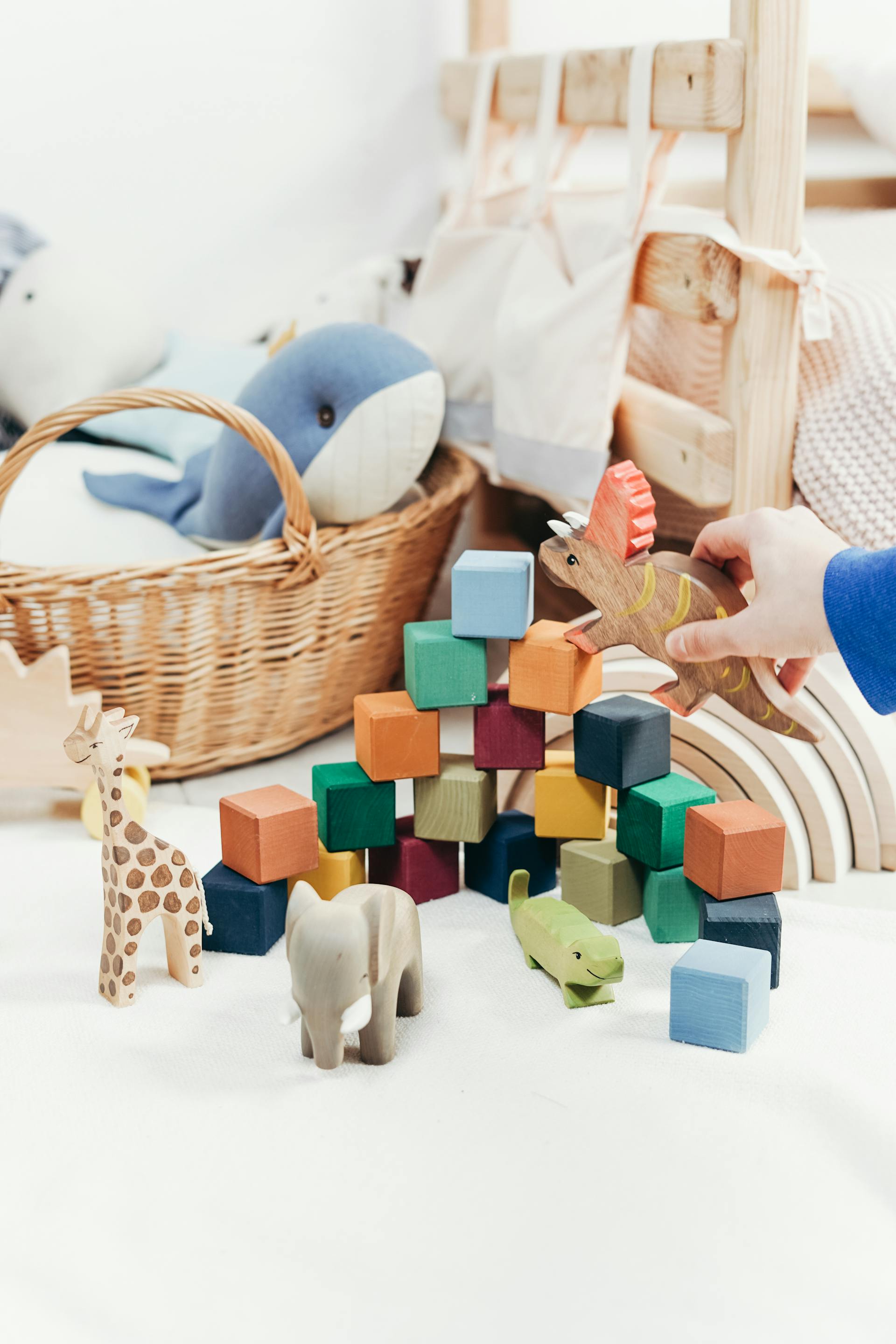
Building blocks are good for your child’s mind. When your child stacks and sorts blocks, they use motor skills and creative thinking. Toys like LEGO Mindstorms and Ozobot Bit teach engineering and programming basics. These toys let your child build, test, and solve problems. You help your child grow by letting them try, fail, and try again. Building blocks also help kids work together and learn as a team.
Tip: Let your child choose how to play with blocks. This helps them become more independent and creative.
Language and Memory
Interactive toys help your child learn words and remember things. When your child plays with talking toys or phonics games, they learn new words and sounds. These games help your child build a strong vocabulary. Storytelling toys and dramatic play sets help your child use language in real ways. This makes memory and story skills stronger.
You can use toys like story cubes, reading devices, and role-play sets to help your child talk and tell stories. These toys help your child remember details and stories. Writing tools, like notepads and chalkboards, help your child be creative and practice writing. Experts say toys with many sensory features make learning language more fun and easy to remember.
1. Talking toys and phonics games help with words and sounds.
2. Storytelling and dramatic play help with stories and memory.
3. Role-play with dolls and action figures helps with talking and language.
4. Writing during play helps with reading and creative ideas.
You help your child learn language and memory by picking toys they like. These toys make learning fun and help your child grow in every way.