
Musical Instrument
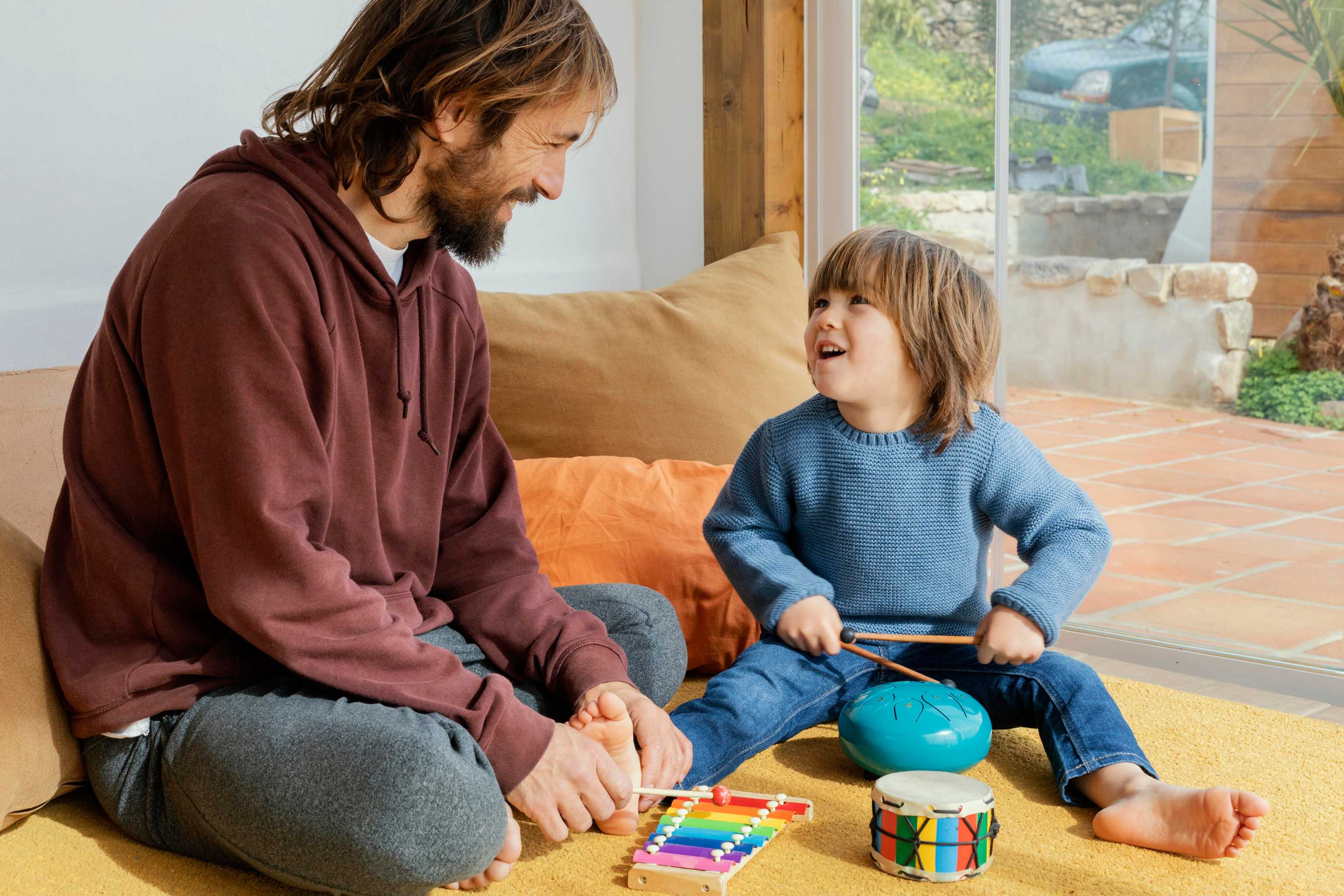
Musical instrument toys can give children early musical experience, cultivate their musical sense, stimulate their creativity, and are beneficial to their physical and mental development.
Musical instrument toys can stimulate their interest and curiosity in music. By simply tapping or shaking these musical instrument toys, children can feel the generation and change of sounds and start their enlightenment to music.

Hand bells Set Desk Bells IInstrument Toy
Model NO.:LD24M001

Portable Electronic Drum Set Roll Up Drum Kit
Model NO.:LD01M008

Childrens Wooden Musical Instruments Percussion Toys Set 13pcs
Model NO.:LD01M005-13


Musical Wooden Xylophone Toy Kids Musical Toys Baby Early Educational Toys
Model NO.:LD01M001


- 1
- 2
- 3

Key Takeaways
Imagine how excited kids feel when they get musical instrument toys. These toys are not just for fun. They help kids feel happy and creative. Playing music with these toys helps kids focus better. It also helps them remember things and learn new words.
Giving musical gifts helps kids feel more sure of themselves. It lets them show their feelings in new ways. Research shows that music helps the brain grow stronger. It also helps kids learn and make friends. Picking musical instrument toys as gifts brings happiness that lasts. It helps kids learn and love music for life.
Musical instrument toys help kids be creative and show feelings without talking. Playing with these toys helps memory, language, focus, and problem-solving skills. Music play makes kids feel confident and calm. It also helps them work well with others. Musical toys help babies use their hands and eyes together from a young age. Picking safe and right musical toys for a child's age and likes makes learning fun and works well.
Spark Creativity in Kids
Imagination and Self-Expression
Musical instrument toys help you use your imagination. You can make your own sounds and rhythms. You might even create new songs. These toys let you share your feelings in different ways. Other toys do not let you try out melodies and beats like these do. You can act like a famous musician or make up your own music style. Playing this way is fun and helps you think in new ways.
Music helps you show your feelings. You do not need words to share emotions with music. This helps you understand yourself and care about others.
Studies say musical instrument toys help you imagine and express yourself. Here is a table that shows what research found:
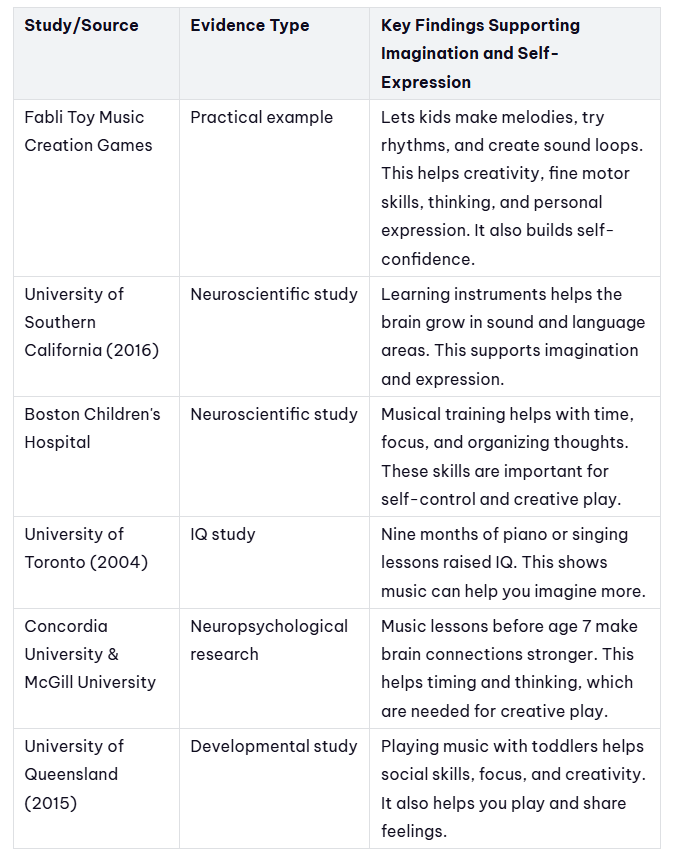
Musical instrument toys help you be more creative than most toys. You use your hands, ears, and mind together. This kind of play helps you think in new ways. It also helps you learn language and get along with others. When you play with these toys, you learn skills for school and life.
Building Confidence
Playing musical instrument toys helps you feel more confident. You can try new things and not worry about mistakes. You might play a drum, shake a maraca, or tap a xylophone. Every sound you make is special. This makes you happy and proud.
· Musical instruments let you share feelings with sound.
· These toys give you a safe place to try ideas and feelings.
· Playing this way helps you be more creative and talk better.
· Making music helps you believe in yourself.
A review from Edith Cowan University says learning music builds confidence. It also helps you control your feelings and feel proud. When you see you can make music, you feel sure of yourself. This confidence helps you at school, with friends, and in other things.
Musical instrument toys are more than just fun. They help you find your talents and share your feelings. They also help you feel good about what you can do. When you play, you feel happy and proud. These toys make you want to keep learning and growing.
Cognitive Benefits of Musical Instrument Toys
Language and Memory
Playing with musical instrument toys helps your language and memory. These toys let you listen to many sounds and patterns. You learn to hear high and low notes. You also notice when rhythms repeat. This practice makes your listening skills better. It helps your brain remember new things.
Music toys teach you new words. You repeat words and phrases when you sing or follow directions. Doing this helps you remember what you learn. You also remember songs, rhythms, and patterns. When you play, you use your ears, eyes, and hands together. This helps you learn and remember things.
Here are ways music helps you do better in school:
· Rhythms in music help you see patterns and sequences. These skills are important for reading and math.
· Listening to pitches and sounds helps your speech and how you say words.
· Music activities use your senses and help you learn in different ways.
· Playing with rhythm and pitch makes your brain stronger for math and language.
You use music to practice listening and repeating. This helps you remember facts and details at school. You also learn to listen to sounds. This helps your reading and speaking skills.
Focus and Problem-Solving
Musical instrument toys do more than make noise. They help you focus and solve problems. When you play a tambourine or xylophone, you must pay attention to rhythm and timing. You learn to focus on what you hear and play. This practice helps you focus in other parts of life.
Playing music also teaches you to solve problems. You figure out how to make the right sound or play a song. You try different ways until you get it right. This helps you feel more confident and think in new ways.
Kids who use musical instruments pay better attention and have more self-control. You learn to practice and keep trying, even when it is hard. Sensory toys, like musical instruments, help you understand sounds and feelings. This kind of play helps your memory and helps you see cause and effect. You also learn to calm down and focus, which helps if you have trouble paying attention.
Musical instrument toys help your brain in many ways. You build strong thinking skills, improve your memory, and learn to solve problems. These skills help you in school and in life. When you play with these toys, you get ready to do well in the future.
Emotional and Social Growth
Confidence and Mindfulness
Playing with musical instrument toys can help you feel more confident. These toys let you focus on sounds and your feelings. When you shake a maraca or tap a drum, you listen closely. You also notice how your body moves. This helps you pay attention to your thoughts and emotions. As you play and listen, you start to feel calm and aware.
Music helps you trust yourself. You learn to make choices and show your feelings with sound. This makes you feel proud of what you can do. Mindfulness activities with music help you understand your mind and body. You feel more relaxed and happy. Kids who play with musical toys often feel proud and like to share music with others.
Teamwork and Communication
Musical instrument toys help you work with other people. When you play music in a group, you learn to listen and take turns. You might play a drum in a circle or use a xylophone with friends. These times teach you how to talk and solve problems together.
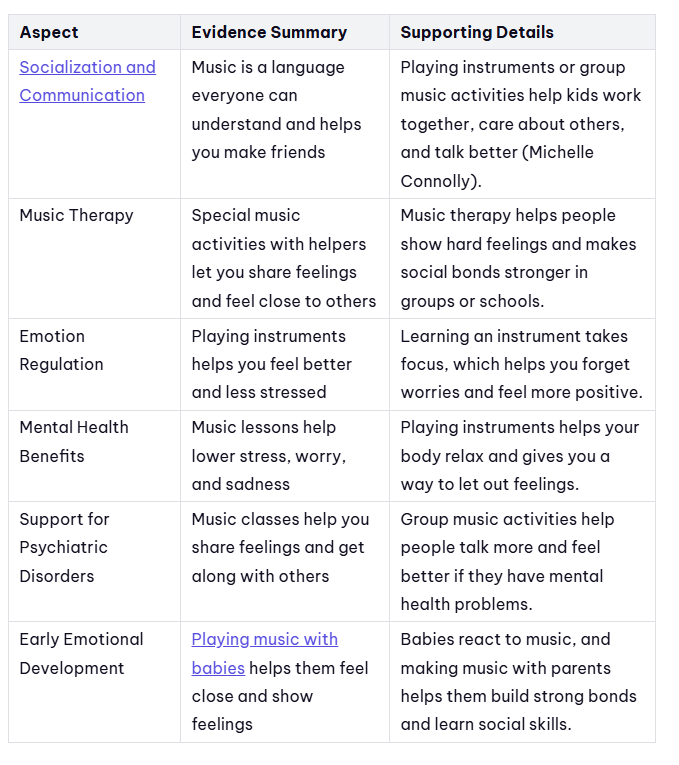
Teachers use musical toys in class to help kids work together. You learn to share, listen, and talk with others. These skills help you get along with people and feel part of a group. Playing music with friends also helps you grow and connect with others.
Physical Development with Musical Toys
Fine Motor Skills
Musical toys for babies help your child’s body grow. When you give a baby a drum or xylophone, they learn to grip, tap, and shake. These moves help build fine motor skills. Fine motor skills are needed for writing and drawing later. You might see your baby press buttons on a musical bear or shake a rattle. Each time they move, their hand and finger muscles get stronger.
Musical toys for babies link movement and thinking. Your child learns to use their hands while hearing music.
Early musical play helps the brain grow in motor skill areas.
Using musical toys for babies before age 7 helps fine motor skills grow over time.
Every time you let your baby tap, shake, or press a musical toy, you help them learn. These easy moves help them get ready for harder skills as they get older.
Hand-Eye Coordination
Hand-eye coordination is very important for young kids. When your baby reaches for a toy and hits a drum or presses a piano key, they match what they see with how they move. This skill helps with things like catching a ball or using a pencil. Musical toys for babies also help with sensory integration.
Your child hears sounds, feels the toy, and sees lights or colors. This mix of senses helps their brain learn about the world. For example, playing a drum or xylophone helps your child use eyes and hands together. This makes their coordination better.


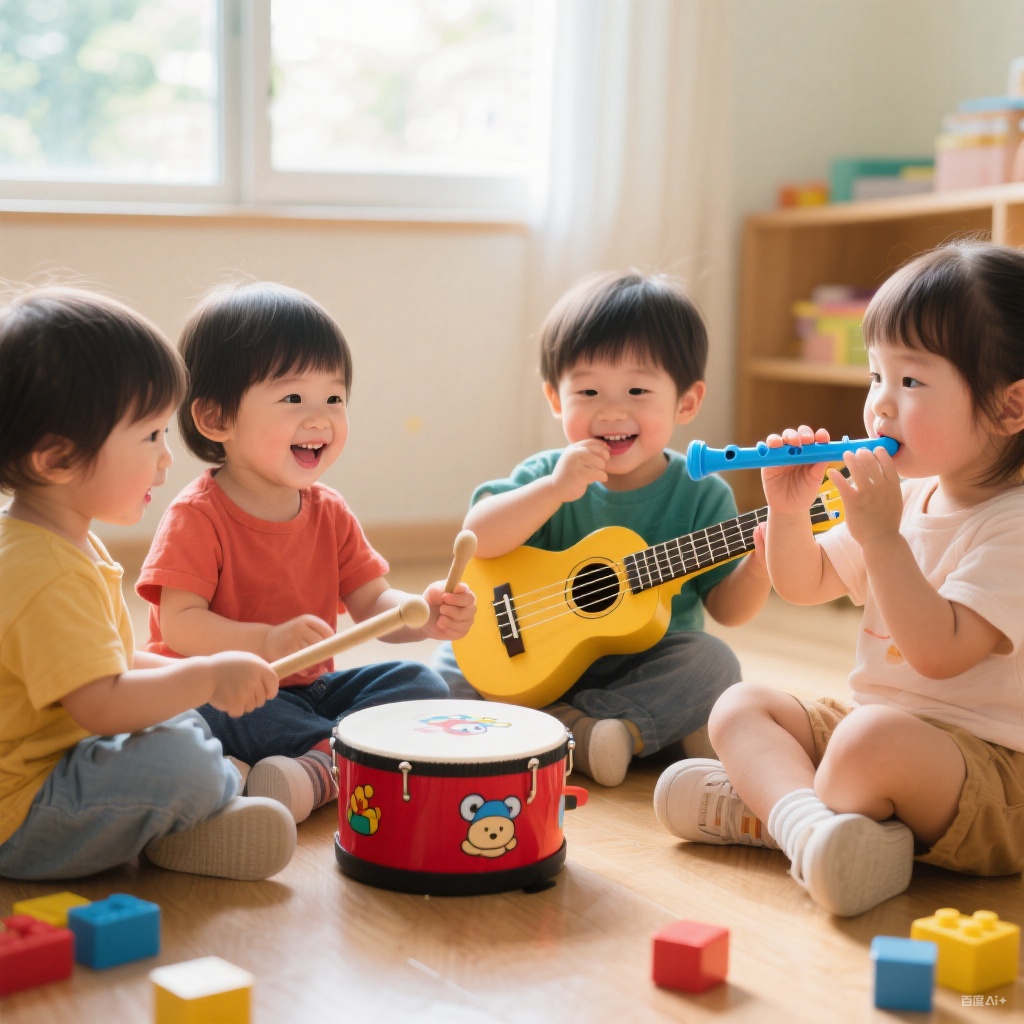
What We Supplied
Types of Musical Instrument Toy
Percussion Instruments
Percussion instruments toy are musical instruments that produce sound by striking, shaking or scraping, such as drums, xylophones or maracas.
String Instruments
String instrument toys are toys designed for children that imitate the appearance and function of stringed instruments and produce sound by plucking, pulling, or playing. The Ukulele is especially popular among children.
Wind Instruments
Wind instrument toys refer to toy instruments designed for children that make sounds by blowing. These toys are usually small and light, making them easy for children to hold and play.
Keyboard Instruments
Musical instrument toy that produces sound by pressing keys, such as a piano, keyboard, organ, etc. Children can use these keyboard Instruments toys to play music within their range.
Electronic Musical Toys
Electronic musical toys usually play pre-recorded songs or electronic versions of instruments, allowing children to play simple melodies and experiment with sound effects.
Microphones
Microphones are designed specifically for children, usually with built-in speakers, so children can sing or speak into the microphone and feel their voices amplified.
Musical Instrument Toy Sets
These musical instrument toy sets usually include a combination of several different instruments. For example, tambourines, hand drums, xylophones, string bells, and maracas. This musical instrument toy can encourage children to try out various sounds.
