
Toddlers Toys
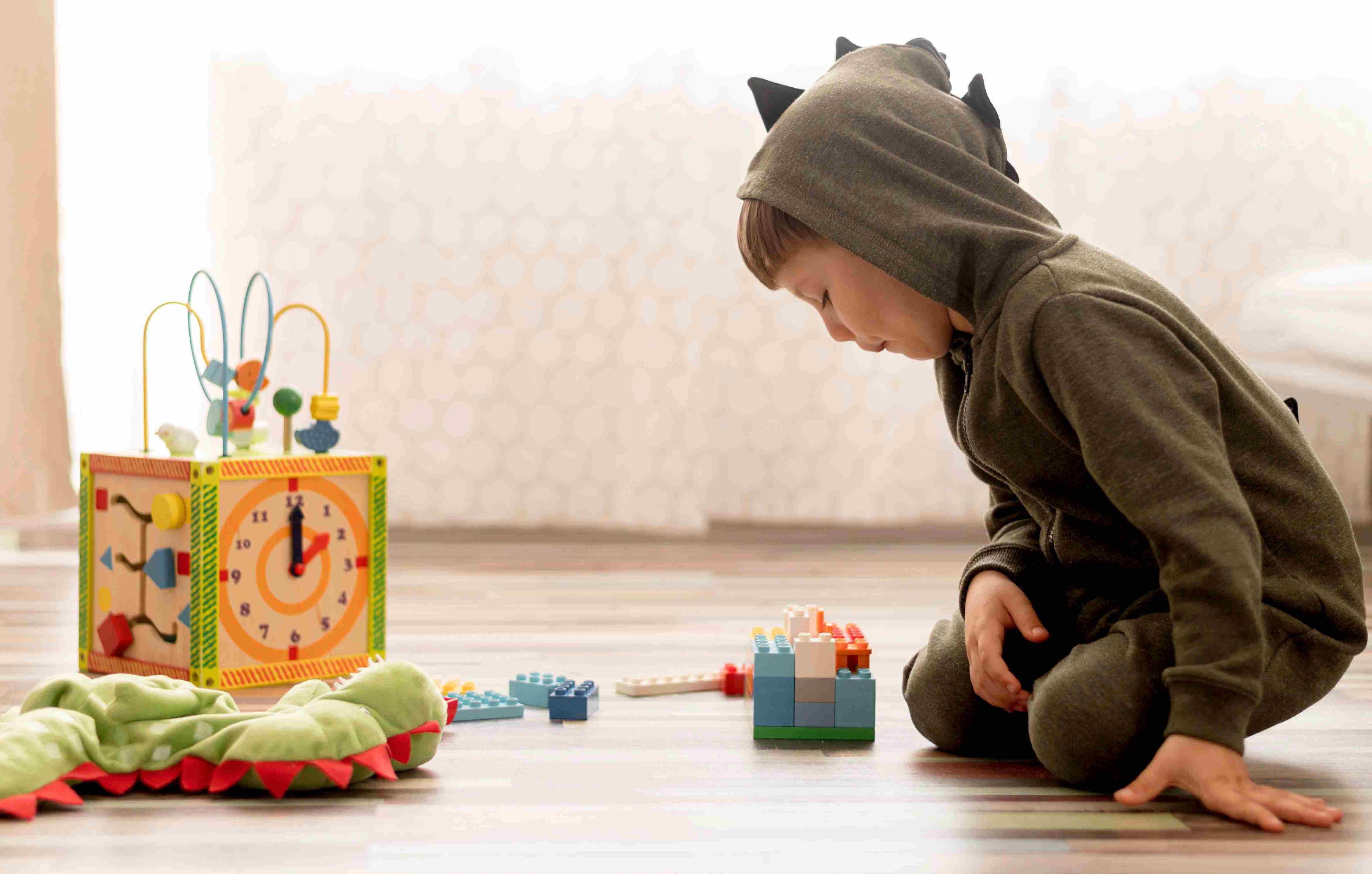
Toddler toys are an important tool for children's early development, providing opportunities to practice new skills repeatedly. Through various affairs, activities, and interactive cognition, students' language skills, cognitive skills, thinking skills, judgment skills, fine motor skills, and problem-solving skills are improved.
Toddler toys play a vital role in children's growth. They not only promote children's physical development, but also stimulate children's creativity and imagination, and cultivate children's social skills and emotional management skills.


Baby Kids Toy Plush Rocking Chair Animal Rider Toddler Seat Wood Rocker
Model NO.:LD01T024

Wooden Playful Blue Rocking Chair Plush Animal Ride On Toys
Model NO.:LD01T022


Children Lovely Music Stuffed Rocking Horse Toys With Wooden Base For The Kids
Model NO.:LD01T020
- 1
- 2
- 3
- 4
- 10

Key Takeaways
You help your child grow by picking toddler toys that help their mind and body. Research says that almost all brain growth happens before age five. Play is very important for young children. When you give toys that let kids explore, you help them learn words, solve problems, and handle feelings. Play also helps kids get stronger and move better. Toys that need action help build motor skills. Many parents ask how to pick the right toys for their child’s growth. Look for toys that are safe, different, and have special benefits.
· Toys help kids be creative, use their imagination, and learn words.
· Toys that kids move or use with their hands help them move better and feel more sure of themselves.
Picking good toys helps toddlers improve thinking and language. It also helps them solve problems. Toys that make kids move help build strong muscles. They also help with balance and coordination. This is good for their health. Playing with many toys helps kids learn social skills. It also helps them understand feelings and be creative. Giving safe toys that fit their age keeps play fun. Changing toys often helps kids learn more. Mixing planned play and free play builds confidence. It also helps kids become independent and learn new things for life.
Supporting Cognitive Development
Early childhood is when kids start learning for life. Toddler toys help your child’s mind grow by making them think and use their senses. When you give toys that let kids explore, they build memory, focus, and thinking skills. These toys help your child’s brain and senses. They shape how your child learns and sees the world.
Creativity and Imagination
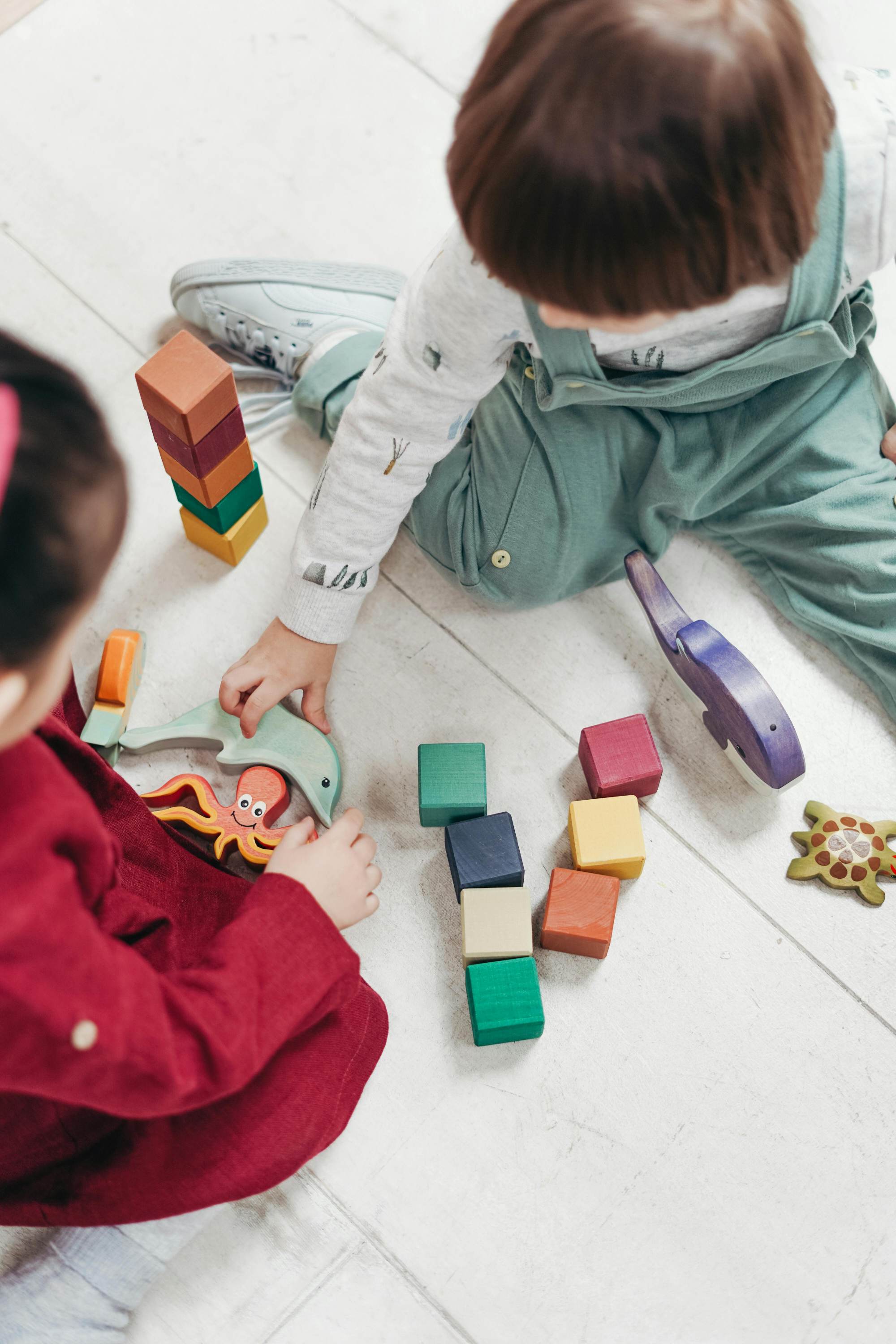
Toys with many uses make kids curious and let them create new ideas. When your toddler plays with big blocks or stacking cups, they try out shapes, colors, and balance. This kind of play helps kids think in new ways and solve problems. Playing pretend with stuffed animals or puppets lets your child make up stories, show feelings, and practice caring. Studies say pretend play helps kids be creative and control their actions. Montessori toys like wooden blocks or sensory books can be used in many ways and help kids think for themselves. These activities help your child use their imagination and get ready for new things.
Language and Communication
Toys with lots of words help your child learn to talk. Puzzles, talking dolls, and storybooks teach new words in fun ways. When your child plays with a doctor kit or food toys, they learn names and actions from real life. Playing with dolls helps your child copy words and actions, which grows their language. Studies show that playing with language toys before age six helps kids read and talk better. Play also helps kids learn how to listen and take turns talking. When you play too, you show your child how to use words and connect them to real things, which helps them remember.
· Play helps kids learn new words and listen better.
· Toys that talk or tell stories make learning words fun.
· Pretend play and role-play games help kids talk and get along with others.
Problem-Solving Skills
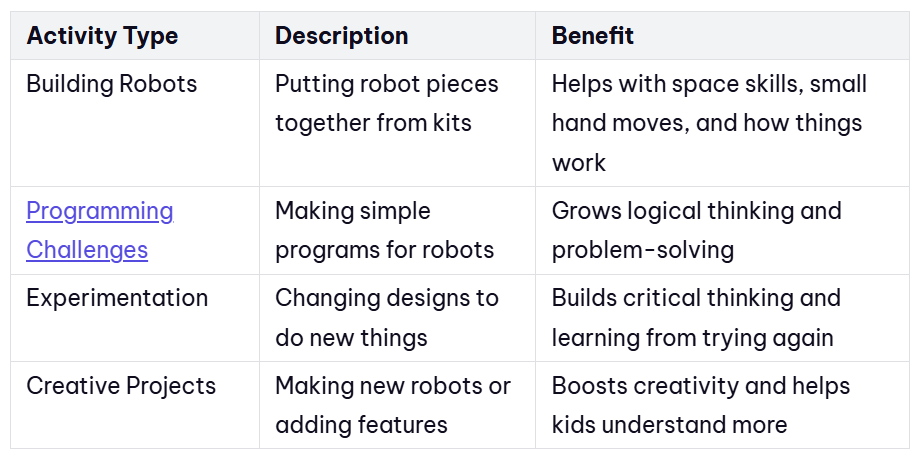
Toys that make kids think, sort, or build help them solve problems. Blocks and puzzles make your child figure out where things go, which helps memory and flexible thinking. These games wake up parts of the brain that help with focus and reasoning. Games with patterns, sorting, and mazes help your child spot what is the same, finish patterns, and make choices. Toys that show cause and effect teach kids to guess what will happen next. Studies say playing with blocks and puzzles makes brain connections stronger and helps kids think clearly.
Social and Emotional Growth
Toddler toys also help kids learn about feelings and friends. Games where kids play together teach sharing, talking, and working as a team. Board games that need teamwork help kids care about others and bounce back from losing. Toys like dolls or stuffed animals let kids show feelings and learn to calm down. Pretend play helps the brain learn about caring and getting along, even when playing alone. These play times help kids understand feelings, make friends, and feel sure of themselves.
· Team games help kids work together and solve problems.
· Emotional toys and calming buddies help kids handle feelings.
· Role-play lets kids practice caring and see things from others’ views.
When you give your child different toys and ways to play, you help their brain and senses grow. Picking the right toys helps your child stay curious, feel confident, and love learning for life.
Toddler Toys and Motor Skills
Gross Motor Skills
Gross motor skill toys help kids get stronger and move better. When you give your toddler ride-on toys, they learn to push, pull, and climb. These actions make muscles stronger and help kids know their bodies. Outdoor toys like slides and swings let kids run, jump, and balance. These activities build big muscles and help with coordination.
Active play with these toys lets kids move and explore. This helps them learn how their body works. Riding a toy car or scooter teaches steering and stopping. These actions help with balance and control. As kids get better, they feel more sure of themselves.
· Ride-on toys help kids balance and move their bodies.
· Gross motor skill toys make muscles stronger by pushing and climbing.
· These toys help kids explore and solve problems.
· Playing with these toys teaches teamwork and talking.
· Learning these skills makes kids feel confident and independent.
· Physical play helps kids focus and solve problems.
· Using these toys early helps kids like being active.
· Ride-on toys are good for toddlers to help them move.
Playing outside with these toys is even better. Kids can climb, run, and jump to get stronger. Outdoor play gives kids space to try new things. These activities help with balance and coordination. This is important for sports and daily life. Playing outside helps kids use their bodies in new ways and do better in school.
Fine Motor Skills
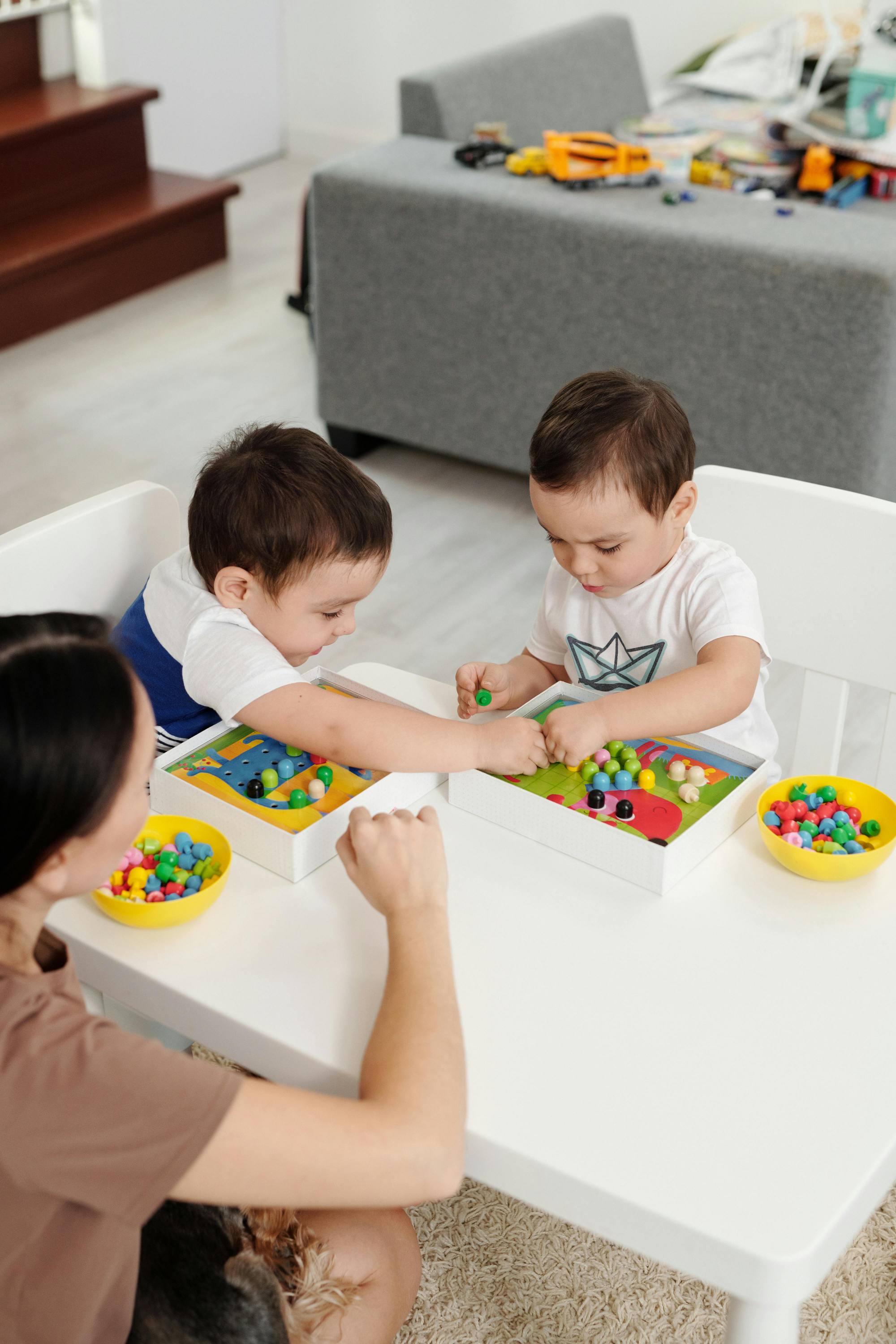
Fine motor skills use small hand and finger moves. Toys like stacking blocks and threading beads help kids practice. Stacking blocks uses different grips and makes hands stronger. This helps with hand-eye coordination and finger control.
Threading beads is fun and builds fine motor skills. Kids pick up small beads and put them on a string. This makes fingers stronger and more precise. These skills help with writing, buttoning, and using utensils.
· Stacking blocks helps hands and fingers work better.
· This activity helps eyes and hands work together.
· Threading beads makes hands stronger and fingers more exact.
· Bead activities help with seeing and thinking skills.
· Both activities help kids reach milestones and be independent.
Therapists suggest many fine motor activities for kids. You can help your child peel stickers, string cereal, or use chalk. These activities make hands strong and help kids focus. Playing with puzzles and small toys also builds fine motor skills. When kids practice, they feel more confident and independent.
Balance and Coordination
Balance and coordination are important for moving well. Toys like balance boards and stepping stones help kids practice. Standing or rocking on a board uses core and leg muscles. This helps with posture and muscle control.
Balance boards challenge the body and mind. Kids learn to shift weight and stand still. These actions build coordination and focus. As kids get better, they feel proud of themselves.
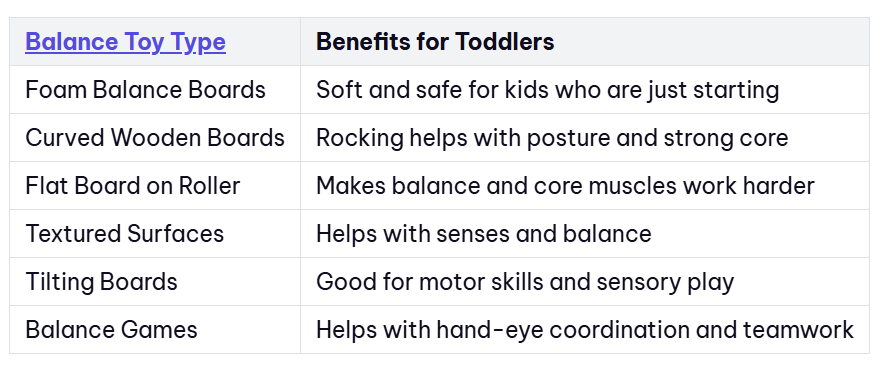
Playing with these toys helps kids move with control. Kids learn to move on purpose and react to changes. These skills help in sports, school, and daily life. When you let kids play, they build good habits and enjoy moving.

What We Supplied
Types of Toddler Toys
Toddler toys are designed and manufactured specifically for children aged 1 to 3 years old to develop key skills through appropriate play. These toys promote children's emotional, physical, cognitive, and social development in a fun way.
· Shape and Color Recognition Toys
· Building and Construction Toys
· Pretend Play Toys
· Interactive and Educational Toys
· Cause-and-Effect Toys
· Fine Motor Development Toys
· Gross Motor Skill Toys
· Bath Toys
· Musical and Sound Toys
· Vehicles and Transportation Toys
