
Play Costumes
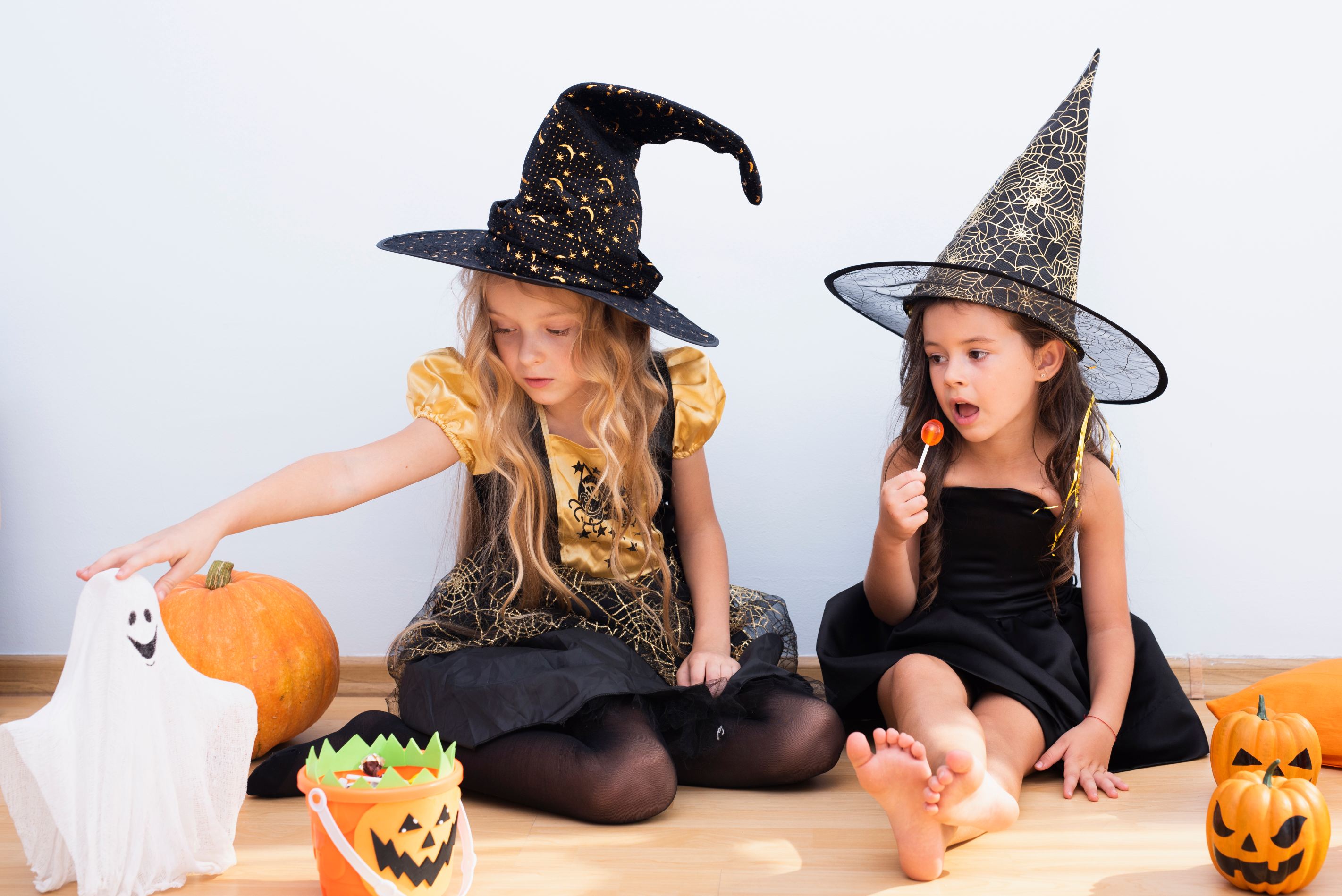
Cosplay evolved from Costume Play. It refers to the activity of realistically recreating a character or plot in animation, comics, and games through costumes, props, and styling.
Role-playing toys allow children to role-play, simulate various scenes, and cultivate problem-solving skills and innovative thinking. Children wear costumes to play pretend games, which will enable children to learn in fun and games.





- 1
- 2
- 3
Key Takeaways
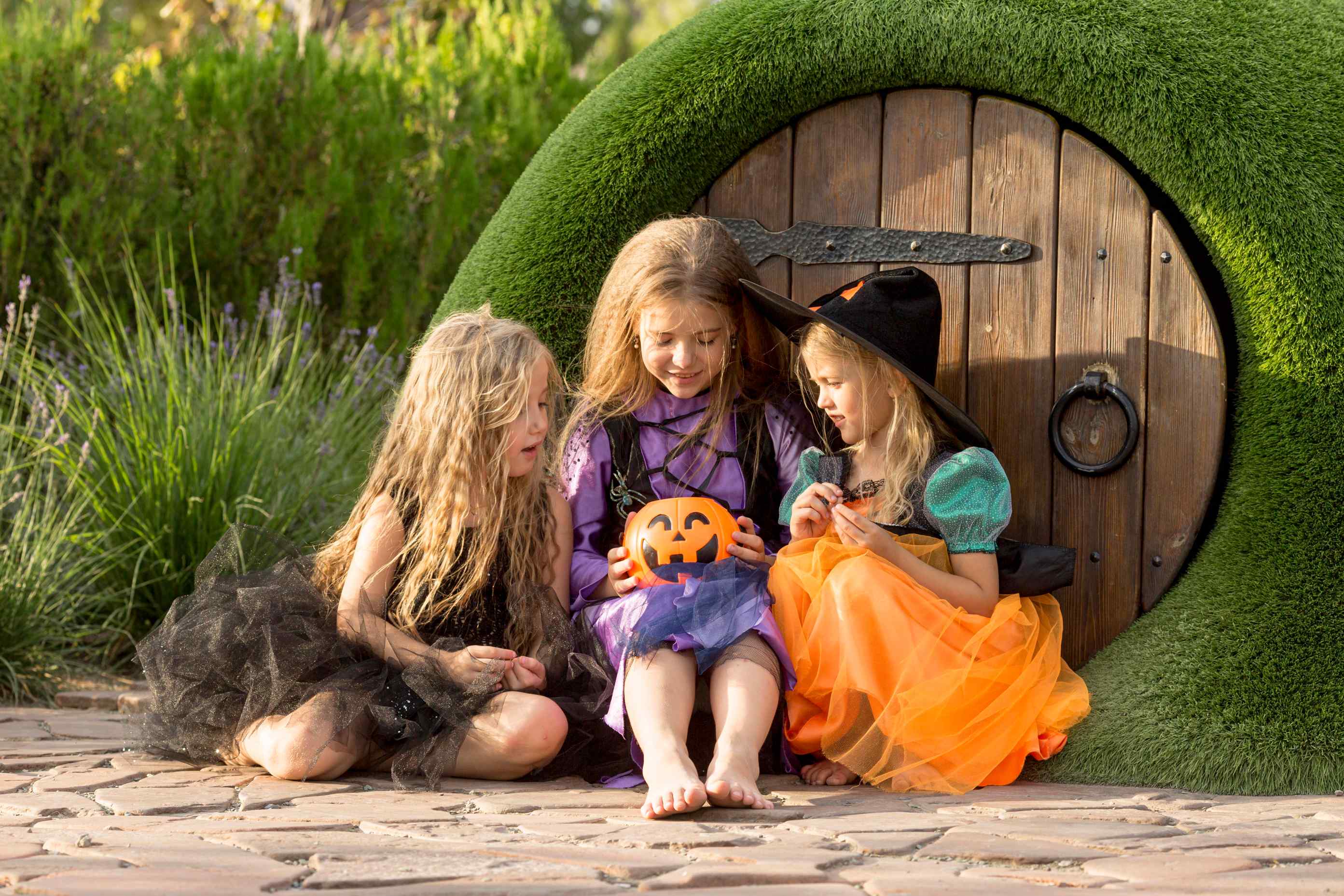
Role play costumes have evolved significantly over the years. These costumes encourage people to engage in imaginative play and creativity. Today, many use digital tools and 3D modeling to design role play costumes, allowing for greater detail and less material waste. Advanced technology like LED lights, projection mapping, AR, and VR offers exciting new ways to experience role play costumes. These innovations are better for the environment and help individuals express themselves. The history of role play costumes shows that each era brings fresh ideas and inspiration. Role play costumes remain essential for anyone who loves to imagine and create.
Role play costumes started as old theater masks. Now, they use cool technology. These costumes help people show their ideas and tell stories.
Live-action role-playing (LARP) uses costumes to make characters seem real. It helps people work together and share creative ideas.
Costumes today fit all body shapes and needs. This makes role play open and friendly to everyone.
People use safe materials and new tech like 3D printing and lights. This makes costumes better for the planet, strong, and special for each person.
Costumes help people learn and build social skills. They make lessons fun and help with imagination, teamwork, and confidence.
History of Role Play Costumes
Ancient Theater Costume
Role play costumes started in ancient Greek theater. Playwrights like Aeschylus, Sophocles, and Aristophanes used masks called prosopa. These masks showed different feelings and characters. Actors wore clothes like the chiton and himation. These outfits showed who the actors were and their social rank. Costumes helped actors play many parts. They also made actors easy to see on big stages. Roman theater writers like Plautus and Terence used Greek costume ideas. Roman plays used costumes to show if someone was a citizen or a certain type of person. The Roman toga was important in fabula togata. Greek-style clothes were worn in fabula palliata. Masks and long robes made actors stand out. Costumes in ancient theater were important for stories and games later on.
Medieval and Renaissance Costume
Medieval and Renaissance costumes were important for role play. Mystery plays used fancy costumes with bright colors and special details. These costumes showed good and bad traits and Bible people. Costumes made stories easier to tell. They also helped the audience know who was who. Renaissance festivals let people make up characters with costumes. This made role play feel real. Kids and adults dressed as people from history or fantasy. This kept old traditions alive. Costumes at festivals made people feel like they traveled back in time. Starting with simple costumes, like peasants, helped people get used to role play.
Early Role-Playing Games
Role-playing games changed how people used costumes in stories. Masquerade balls and festivals like Venetian Carnevale and Mardi Gras had creative costumes. Theater like Kabuki and Shakespeare added special costume styles. These styles still influence role play today. In the 1900s, science fiction fans wore costumes at events like the 1939 Worldcon. This started cosplay culture. Fans dressed as their favorite characters. This made role-playing games more popular. Tabletop games like Dungeons & Dragons let players imagine costumes for their characters. Costume parties became common with Halloween in America. Movies and TV brought new costume ideas. Characters like Mickey Mouse and Darth Vader became favorites for role play. Costumes changed with new technology like LED lights and 3D printing. Tabletop games and movies helped shape costume trends. They also made role play easier for more people.
Live-Action Role-Playing Trends
Immersive Role Play Costumes
Live-action role-playing started in the 1970s. Players wanted more than board games. They wanted to act as their favorite characters. LARP events use costumes to make stories feel real. Costumes help players pretend to be fantasy characters. Many pick costumes from TV, movies, or video games. Some dress as fantasy heroes, scary villains, or superheroes. Costumes look better now than before. German larp groups make very good costumes. They use props and materials that look real. Fantasy themes like vampires, witches, and zombies are popular. Superhero costumes are favorites for kids and families. Group costumes help players work together. Costumes that match the story make events more fun. LARP events let people be creative and show who they are.
Community and Collaboration
The larp community has changed a lot. Players now care about teamwork and including everyone. Many groups welcome people from all backgrounds. Some themes talk about social issues and identity. Technology helps more people join larp events. Virtual events and live streaming let people play online. Big conventions bring larp fans together from many places. Local groups like Malaysia's MyLARP make safe spaces for all. Larp teams work with cosplay, tabletop games, martial arts, and theater. Social media helps players and organizers connect. People from different countries share new ideas and costumes. Events happen often and have many types and sizes. Groups work together to pick costumes and make events fun. The community likes teamwork and helps new members.
· More people can join larp events now
· Technology lets people play from anywhere
· Larp groups work with other communities
· Social media helps everyone stay connected
· People from different countries join together
· Events happen often to keep the community strong
Significance of Costume Today
Creativity and Expression
Costumes are very important in role play today. They help people show their creativity and express themselves. Costume design lets people try new ideas and make fantasy characters real. At larp events, people make costumes that match their character’s story. These costumes show what the character is like and where they come from. Making costumes for heroes or villains helps players think in new ways. It also helps them imagine different worlds. Costumes make each character special and easy to remember.
Designing costumes helps people play and use their imagination. It also helps them learn to work with others. When people work together, they share costume ideas and learn new things. Larp groups have workshops to practice making costumes. They also talk about how to build characters. These activities help people feel more confident. They also help people express who they are. Actors say wearing a costume helps them feel close to their character. It also helps them control their feelings. This helps people grow and understand others better.
Costumes are also used in schools. Teachers use costumes to help students learn about history or science. Students who dress up pay more attention in class. Making costumes for school role play helps students solve problems. It also helps them learn new words. Costumes make learning fun and easy to remember.
· Costumes help people use their imagination and think hard.
· They help people learn to work together and care about others.
· Making costumes helps with language and small hand skills.
· Costumes make learning feel real and exciting.
· They help tell stories and build characters.
· Costumes help people work together and join in.
Inclusivity and Accessibility
Costumes in larp and role play now include everyone. Costume design thinks about what all people need. This makes events open to more people. Many larp groups help people make costumes for all body types and needs. Some people pick soft fabrics or heavy parts for comfort. This shows that costumes are for everyone.
Costume design helps people show who they really are. Wearing a costume lets people take a break from daily life. They can enjoy their favorite things. Larp events let people try new roles and practice social skills. The group helps everyone feel safe and lowers stress. People do not have to hide who they are.
Teachers and parents use costumes to help kids work together and talk. Role play with costumes helps kids learn new words and solve problems. Making costumes for different characters helps kids think and play. The group uses many props and asks questions to make play fun and open to all.
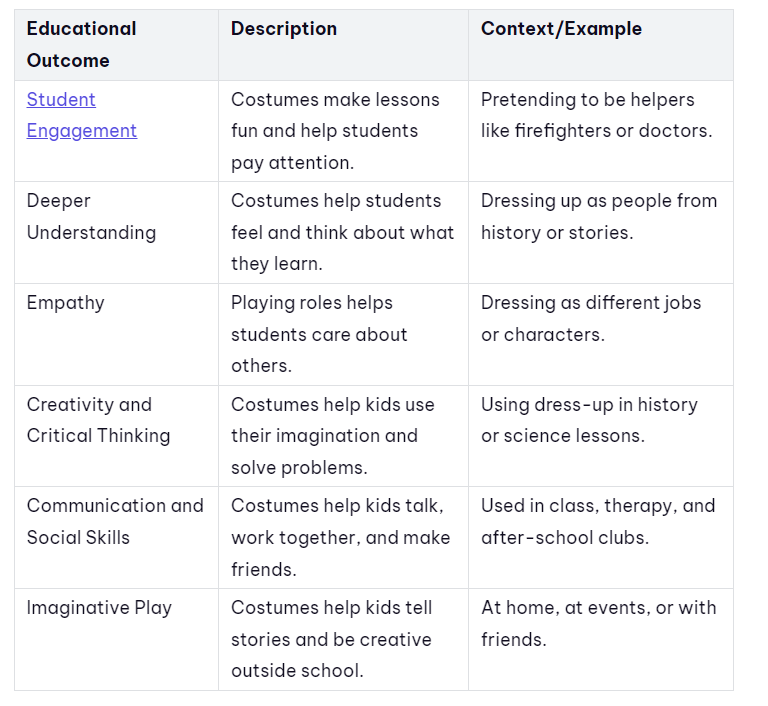
Costumes in larp and school keep getting more important. Costume design now cares about including everyone and helping people grow. People work together so everyone can join, no matter who they are. Making costumes for fantasy or history brings people together and builds the group.
Innovations in 2025
Sustainable Costume Materials
In 2025, more people in larp and role-playing games use sustainable costume materials. Biomaterials startups get a lot of money from investors. This shows people want eco-friendly choices. Lab-grown fabrics and new tools help make these materials for costumes. Many larp groups pick organic cotton, hemp, and bamboo. These fabrics grow without bad chemicals. Recycled plastics and old clothes are also used for costumes. Some groups use plant-based dyes and digital printing to use fewer chemicals. Others get second-hand materials from thrift stores or donations. People also reuse old costumes to save money and cut down on waste.
The fashion industry has problems with cost and what buyers want. Sustainable costume materials cost more at first, but they last longer. This makes them a smart pick for larp and role-playing games. Circular business models like repair and resale are getting popular. Brands like Patagonia and Dr. Martens lead these changes. These trends help costume design focus on lasting longer and being reused.
Personalization and Trends
Personalization is a big trend in 2025 for larp and role-playing games. Players want costumes that show their own characters and stories. Digital tools let them change every part, like fit and color. 3D printing and wearable tech make it easy to add special touches. Online role-playing games also affect real-world costume styles. Players dress up as their favorite digital characters at larp events.
Now, the whole community helps design costumes. Workshops and online forums teach players new skills. Costume design cares about comfort, lasting longer, and looking good. Upcycling and using green materials are still popular. Group costumes and themed events help people work together and be creative. Costumes feel more real as they get more personal and high-tech.
· Players use digital tools to make custom costumes.
· Larp groups want costumes to be comfy and last long.
· Online game trends change real-world costume picks.
· Workshops and forums help people learn new skills.
· Costumes feel more real with personal designs.
Role play costumes change as more people join in. In 2025, each costume helps a character enter a new world. People wear costumes to become fantasy heroes or movie stars. Some make up their own characters from their imagination. Organizers make events fun and welcome everyone:
· Masquerades have mask contests and themed photo booths.
· Fandom gatherings hold cosplay contests and trivia for all.
· Events have workshops and craft stations for every character.
Costume design mixes movies, fantasy, and real life now. Every character brings fresh ideas to the group. The community invites anyone who likes costumes and fantasy. New trends will give characters even more ways to stand out.
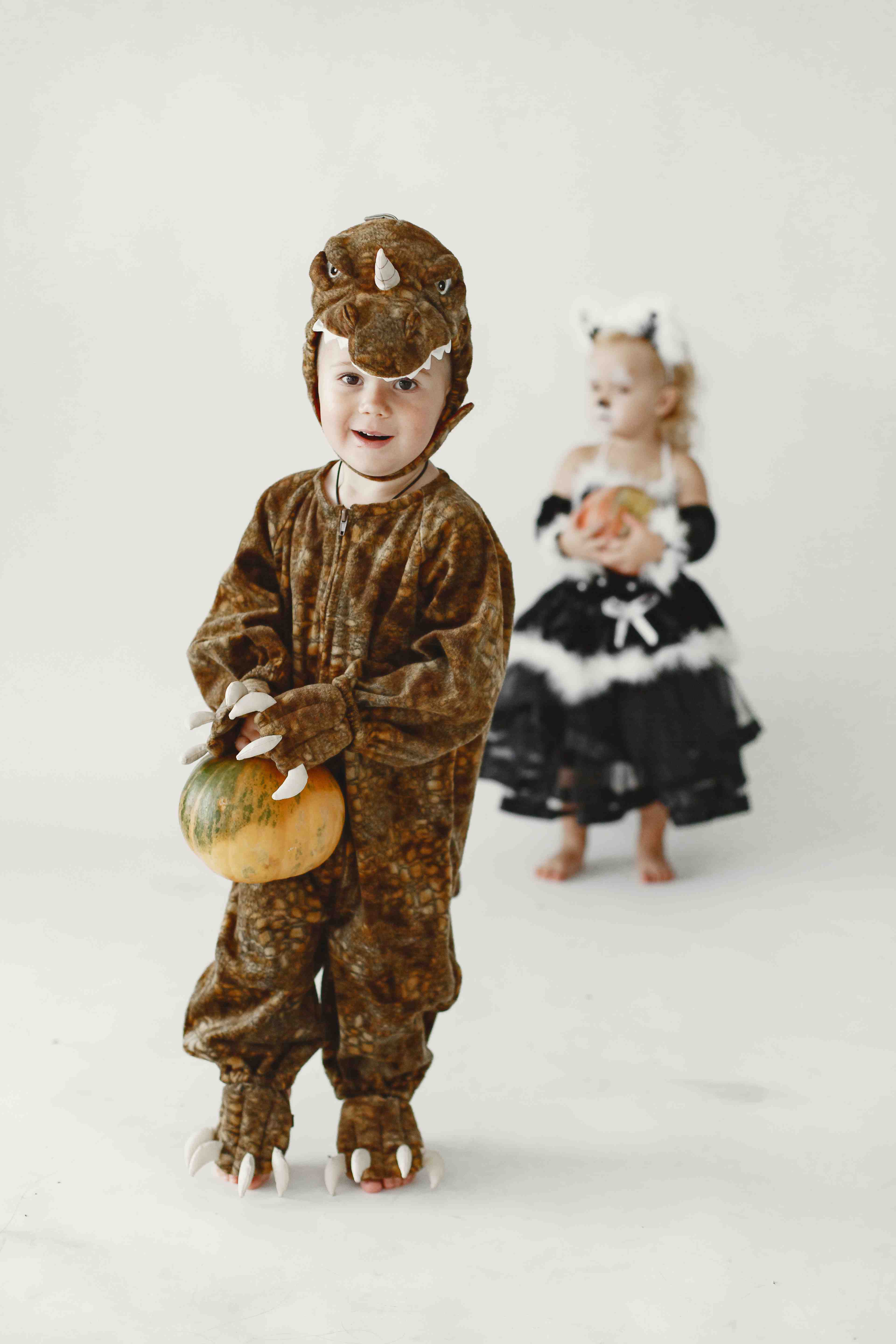

What We Supplied
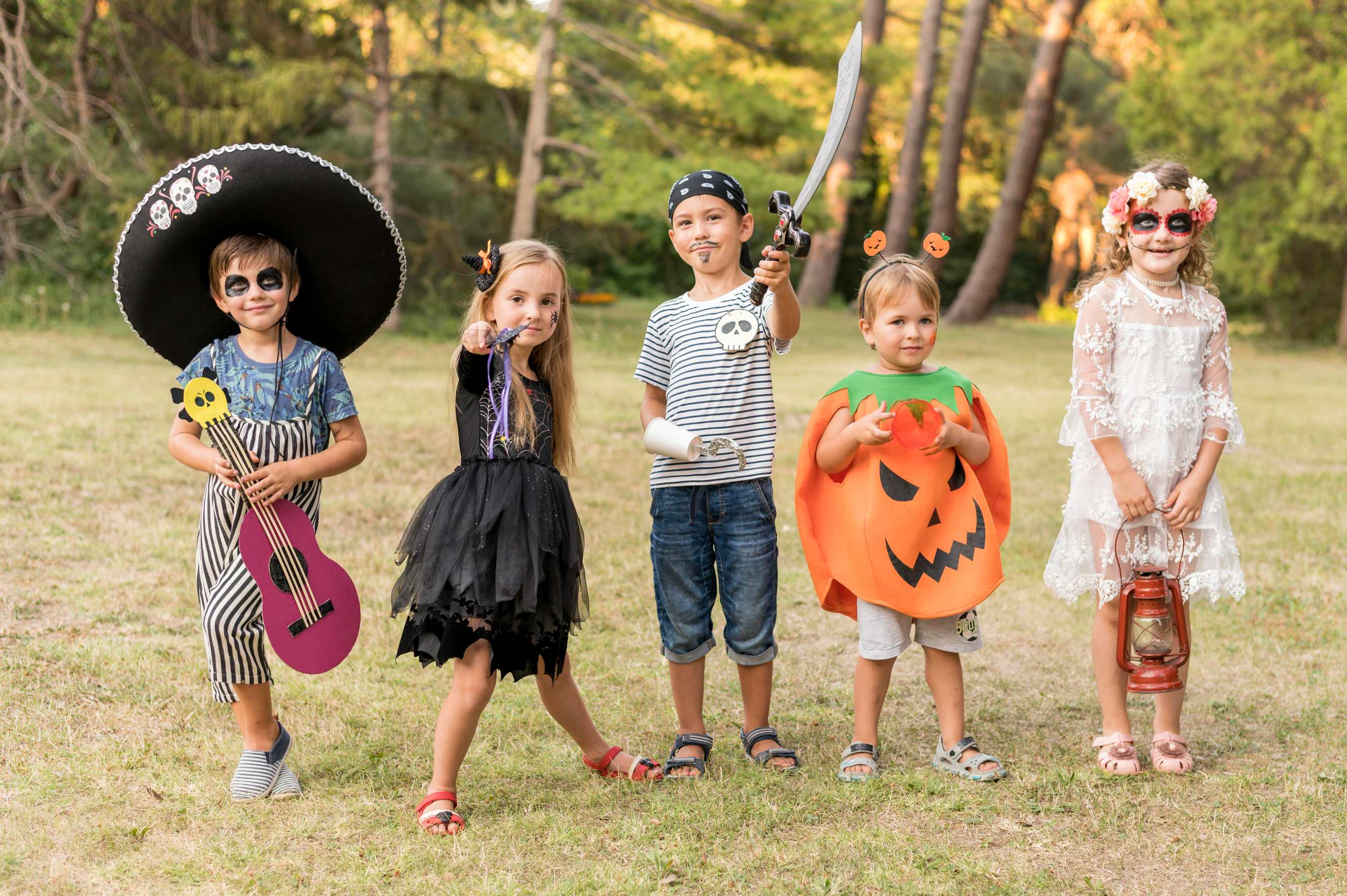
Types of Play Costumes
· Fantasy & Fairytale Costumes
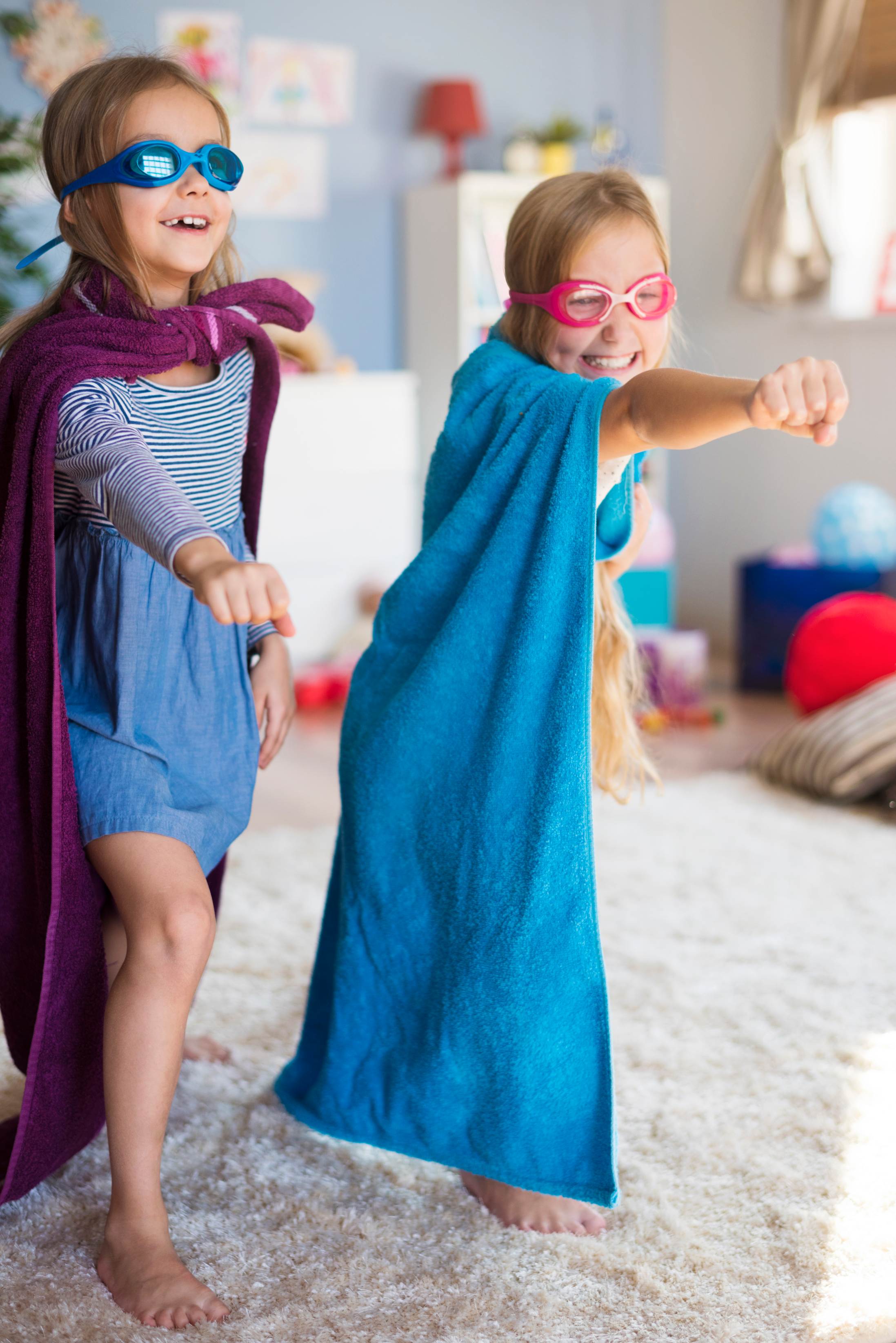
· Superhero Costumes
· Historical & Cultural Costumes
· Occupation Costumes
· Animal & Nature Costumes
· Monster & Halloween Costumes
· Futuristic & Sci-Fi Costumes
· Sports & Athlete Costumes
· arty & Themed Event Costumes
· Customizable & DIY Costumes
