
Sensory Toys

Sensory toys start from multiple angles and dimensions, and provide children with multiple stimulation such as sight, hearing, smell, touch, joints, muscles, and vestibules, and combine these stimuli with play effectively. Thus, the best sensory toys can improve children's concentration, movement coordination, and academic performance.
Through the stimulation and training of sensory toys, children can grow up in play and grow up in happiness.


Two-Color Glitter Sequin Slap Bracelet
Model NO.:LD25S1202

Emoticon Sensory Motion Bubble
Model NO.:LD25S1201

6 Pack Textured Silicone Slap Bracelets
Model NO.:LD25F2810


Finger Painting Ideas for Kids Easy and Sensory Activities
Model NO.:LD25SE1023
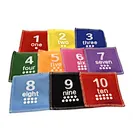
Montessori Bean Bags Multicolor Sand Bags Set of 10 for Preschool Learning
Model NO.:LD25SE411D

- 1
- 2
- 3
- 4
- 21

Key Takeaways
Parents want toys that help kids play with a purpose. They also want toys that give comfort and let kids be creative. Sensory toys give fun ways to play. They help kids learn, move, and get along with others.
· Multi-sensory products like tactile puzzles and squeezable toys help babies explore. They let babies talk about what they feel.
· These toys help babies learn new words. These new toys give safe places for kids with sensory processing challenges. They help kids become stronger and more independent.
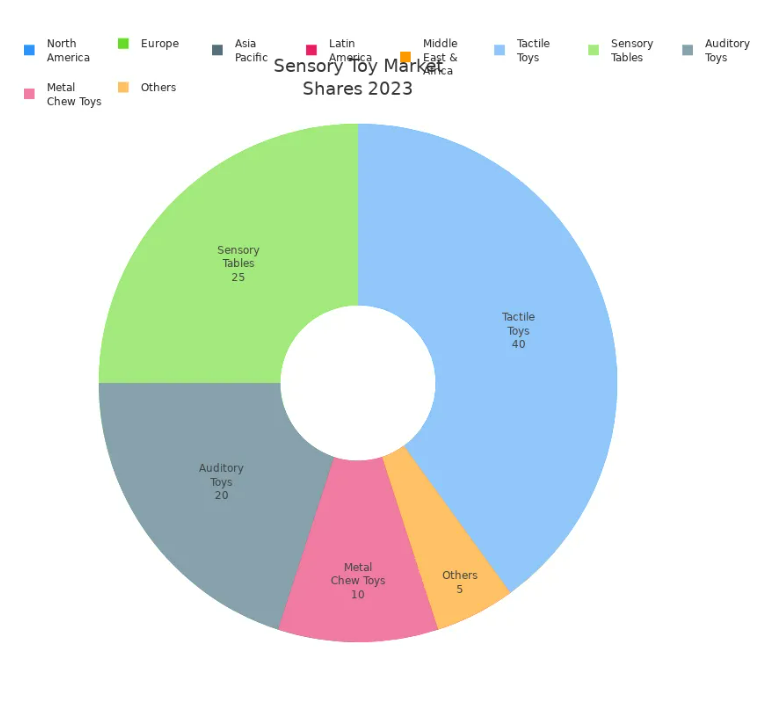
The sensory toy market is growing quickly. Parents and teachers want toys that help kids learn. They also want toys that make kids feel safe. These toys help kids build important skills.
New sensory toys use technology like AI and virtual reality. These toys give each child a special and fun way to play. They help meet each child's needs.
Toys now use eco-friendly materials and safe ways to make them. This helps keep kids healthy and protects the planet. These toys are strong and feel natural.
Personalized and adaptive sensory toys let kids play their own way. Kids can choose how they want to play. This helps them feel more confident and independent.
Screen-free sensory play and mindfulness toys help kids learn motor skills. They also help kids focus and control their feelings. Kids do not need digital devices for these toys.
Sensory Toy Trends
Market Growth
The sensory toy market is growing very fast. Experts think it could reach $2.22 billion by 2025. It may keep growing by 11% each year until 2033. This is because more parents, teachers, and doctors see how helpful these toys are. People know more about sensory processing and autism spectrum disorders now. More families want toys that help with sensory integration.
There are some big trends in this market. Sensory dough toys are now very popular. They help with many developmental needs. Some toys use aromatherapy to mix therapy with play. Many people want toys made from eco-friendly materials. They want safe and non-toxic options. Online stores make it easy to buy these toys anywhere. This helps the market grow even more.
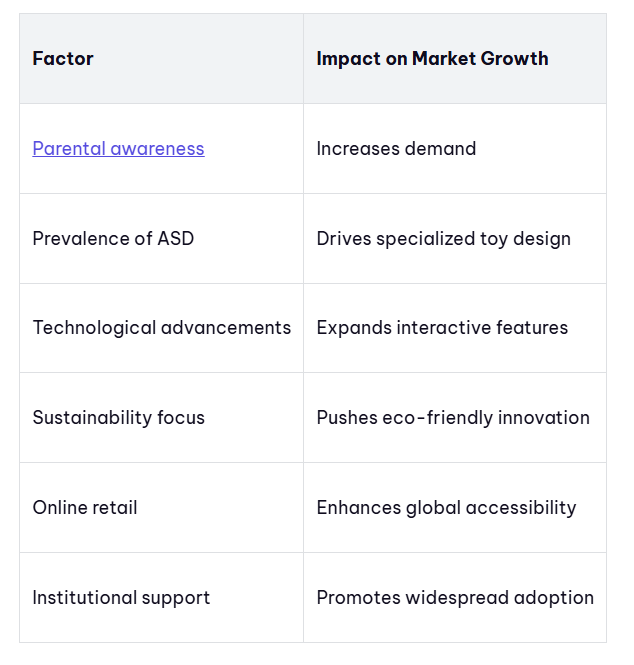
A table below shows the main things helping the sensory toy market grow:
Purposeful Play
Purposeful play is a big part of new toy trends. Toy makers want toys to do more than just be fun. They want toys to help kids feel safe and learn new things. Sensory play helps kids with hand-eye coordination and fine motor skills. It also helps with language and brain growth. Doing sensory activities many times helps the brain develop.
New sensory toys use different textures and surfaces. Some even use natural things to keep kids interested. Some toys have aromatherapy or sound features to use more senses. These new ideas help kids explore and learn about their world. Sensory gardens and pathways use many materials and kid-sized spaces. This helps kids play longer and learn more.
· Sensory toys are now in homes and classrooms.
· Teachers use these toys to help all kids learn together.
· Purposeful play helps kids feel confident and learn for life.
The move to purposeful play shows people understand toys can shape a child’s future. Parents and teachers want toys that help the whole child, not just entertain.
Technology in Sensory Toys
AI and Smart Features
Smart toys have changed how kids play and learn. These toys use artificial intelligence to fit each child’s needs. Many smart toys have sensors that notice feelings. They answer with kind words or actions. Some toys, like BubblePal, use AI to talk and give comfort. They can speak many languages and talk to many kids at once. Big brands like Playmobil, LeapFrog, and Mattel use voice recognition and cool experiences.
· Smart toys give learning content that fits age and style.
· Software updates by subscription keep toys fresh and fun.
· IoT lets smart toys link with other devices for better play.Even with these changes, families still worry about privacy and data safety.
AR and VR Play
Augmented reality and virtual reality make sensory toys more exciting. AR puts digital images on real things. This makes toys mix real and digital play. Kids use these toys to build thinking and learning skills. They stay interested while playing. VR makes full worlds that feel real. It helps kids try real-life situations and practice social skills. Augmented virtuality mixes real senses with virtual extras. This gives repeatable and controlled sensory play. These tools make play more fun and help kids learn. But it is still hard to make everything work together well.
Tech-Enhanced Play
Tech-enhanced play helps sensory growth in new ways. Studies show tech-supported sensory activities help balance, coordination, and social skills in kids with autism spectrum disorder. Virtual reality sensory training and AI video analysis give new ways for personal help.
Eco-Friendly Toys
The market for eco-friendly toys is getting bigger. Families and teachers want safer and better toys. Companies see that people care about the planet. This makes them change how they make sensory toys for kids.
Sustainable Materials
Manufacturers pick different sustainable materials for sensory toys. These materials are safe and good for the earth. They help cut down on waste and support recycling. Some common choices are:
· Sustainably sourced wood like beech, maple, and bamboo. These woods are strong, grow back, and often have FSC certification.
· Organic cotton is grown without bad chemicals. It is soft, safe for allergies, and breaks down naturally.
· Bamboo grows very fast and fights germs. It breaks down easily, so it is better than plastic.
· Recycled plastics, like those from milk jugs, help keep trash out of landfills.
Toys made from these materials are better for the earth. They also feel nice to touch and play with. Many experts think using natural materials helps kids learn about caring for the planet early.
Safe Manufacturing
Safe manufacturing makes sure sensory toys are safe and earth-friendly. Top companies focus on:
· Using dyes that are not toxic and BPA-free materials.
· Making toys in small batches with careful work so they last longer.
· Meeting safety rules like ASTM, EN71, and CPSC. Treating workers fairly and giving them safe jobs.
· Using packaging that can be recycled and has no extra plastic.
Personalization Trends Custom Sensory Toys Personalization is now a big trend in sensory toys. Toy makers add a child’s name to toys. Name puzzles and alphabet trains help kids learn their names. This helps kids pay attention and remember better. These toys are not just pretty. They help kids learn and grow emotionally. Many use strong wood and have names carved in them. This makes them last longer and match Montessori ideas. Kids can pick features they like. This makes play more fun and special.
Market research shows custom sensory toys have cool features. Some have light-up writing boards, marble runs, and music boxes. These toys give kids things to see and hear. This keeps them interested. Chewies and vibrating toys let kids explore safely. Bubble play is also a favorite. It helps with moving, talking, and making friends. Many custom toys use smart technology. Some have Bluetooth or apps to control them. Kids can change colors, swap parts, or make them harder or easier. Eco-friendly materials are popular, especially for babies. Parents want safe and green toys for every baby. Social media and special releases make these toys even more fun.
Adaptive Designs Adaptive designs help meet each child’s needs. Designers use touch, sight, and sound features. Some toys have lights you can change, heavy parts, or different feels. These let kids play how they want. Sensory rooms and adaptive toys have swings, quiet spots, and lights you can change. This helps kids control what they feel and feel safe. Kids help design these toys. This makes them feel proud. Adaptive toys and spaces change as kids grow. Babies like soft feels and quiet sounds. Older kids may want more complex toys, like stem toys. These can be coding kits or building sets that change with skill. Adaptive designs help kids with sensory processing challenges. They help kids control themselves and be more independent. This is important for all babies and older kids.
Inclusivity in Sensory Toys Universal Design Universal design in sensory toys means all kids can play. It does not matter if they have different abilities. Designers make sure everyone can use the toys. They put the most fun toys where all kids can reach them. Toys are set up to help kids play together or side by side. There are different levels of challenge for every child. Kids with different skills can enjoy the same area. Some spaces have special activities. Kids can choose to play or take a break if they feel too much. Wide paths and open spaces help kids using wheelchairs. Smooth floors make it safe for kids and adults to move. Fences keep play areas safe and help kids with autism.
Neurodiverse Needs
Sensory toys for neurodiverse kids meet special needs. These toys help with different senses and goals. Some toys help with touch, sight, sound, balance, or movement. Squishy toys, puzzles with texture, and weighted blankets give comfort. Musical toys help kids listen and enjoy sounds. Toys like small trampolines or bikes help kids move and play.
Toy makers pick toys that match what each child likes. These toys help kids handle feelings and get stronger. They also help with thinking and moving skills. Quiet fidget toys are good for touch and do not distract others. This makes them great for school. Good design also means toys are safe, strong, and can change for each child. With these features, sensory toys help kids pay attention and do well at home and school.
Screen-Free Sensory Play
Tactile Engagement
Screen-free sensory play lets kids use their hands to explore. Touching and moving things helps kids build strong motor skills. It also helps their brains grow. Kids learn about shapes and textures by feeling objects. They also learn how things work. This kind of play helps kids solve problems. It helps them remember new ideas too.
· Sensory bins with rice, sand, or water beads let kids feel many textures. These bins help kids relax and pay attention.
· Sensory tables give a similar way to play. Kids can scoop, pour, and sort things. This builds hand strength and coordination.
· Textured tools like sponges, fabric pieces, and fidget toys help kids use their sense of touch. They also help with sensory integration.
· Rugs and pillows with different surfaces make spaces where kids can explore safely.
Playing with hands helps kids use their senses. It also helps them learn social and emotional skills. Studies show that kids who do more tactile play as toddlers do better in school later. Less screen time gives kids more chances to play and talk with others. Experts say kids under two should not use screens. Parents who give crafts, cooking, drawing, and outdoor play help their kids learn important skills.
Mindfulness Toys
Mindfulness toys help kids handle feelings and stay calm without screens. These toys teach kids how to relax and focus. They also help kids control their emotions. Games like "My Feelings Game" and "Dinosaur Escape Game" teach empathy and teamwork. They also help with social skills. Mindful Breathing Lights show kids when to breathe in and out. The lights guide deep breathing.
· Tracing discs and finger mazes give slow, calming movements. These help quiet busy minds.
· Weighted plush animals give deep pressure. This helps kids feel safe and calm.
· Fidget toys like ZenSwirl and Shashibo give visual and touch input. They help lower anxiety and improve focus.
· Calming stickers and self-calming cards teach breathing and self-control.
· Sensory fidget tubes and color-changing lights give soothing input. They help kids reset and stay alert.
A child life specialist at Primary Children's Hospital says the Zenimal mindfulness toy helps kids with anxiety, pain, and restlessness. The toy uses guided meditations and sleep tracks to teach coping skills. It helps kids relax. Mindfulness toys help kids manage stress and focus better. They do this without the risks that come from too much screen time.
Sensory Toys for Baby
Multi-Sensory Stimulation
The baby products market has many sensory toys for infants. These toys help babies learn by using sight, sound, and touch. Parents can pick from lots of sensory toys that help babies learn early. Some top toys are:
· Water mats give babies a clean way to play on their tummies. Babies get stronger by lifting their heads and watching shapes move. The cool mat feels nice to touch.
· Wrist and sock rattles make sounds and feel different. Babies shake their arms and legs to hear the rattles. This helps them notice how they move.
· Peek-a-Boo Sensory Fish uses bright colors and soft, crinkly parts. Babies see, touch, and hear new things with this toy.
· Dimpl Wobbl lets babies press, pop, and chew. It has bumpy spots and a button to push. Babies use it as a teether and to practice small movements.
· Pop tubes make fun sounds and can stretch or bend. Babies learn cause and effect by playing with them.
· Montessori pull toys mix colors and textures. They help babies use both hands and build fine motor skills.
· Trampoline and scooter boards help babies feel their bodies move. These toys help babies know where their bodies are and how to balance.
The iReach system is a special wearable for babies who cannot see well. It uses sound and vibration to help babies move. This helps babies learn about space and become more independent.
Developmental Benefits
Sensory toys are important for a baby’s growth. Experts say babies need toys with bold colors, soft feels, and gentle rattles. These toys help babies grab, touch, and react to new things. Sensory toys help the brain make strong connections. Babies who play with these toys often talk sooner and remember more. They also solve problems better.
Studies show sensory play helps babies handle feelings and make friends. Babies learn to calm down and play with others during playtime. Sensory toys also help babies with challenges focus and use their senses better. Both homemade and store-bought toys can help babies grow. Parents who pick the right toys for their baby’s age help them reach big milestones. The baby toy market keeps growing as more families want good sensory toys for early learning.
Market Drivers and Parental Priorities
Safety
Parents care most about safety when picking sensory toys. Companies make toys that follow strict safety rules. They use non-toxic materials and avoid tiny parts that babies could swallow. Parents look for certifications like ASTM and CPSC before buying toys. They want to keep their kids safe from bad chemicals and sharp edges. Many parents also want toys with smooth surfaces and strong fasteners. The market adds new safety features like rounded corners and washable parts. These changes help parents feel sure their baby can play safely.
Educational Value
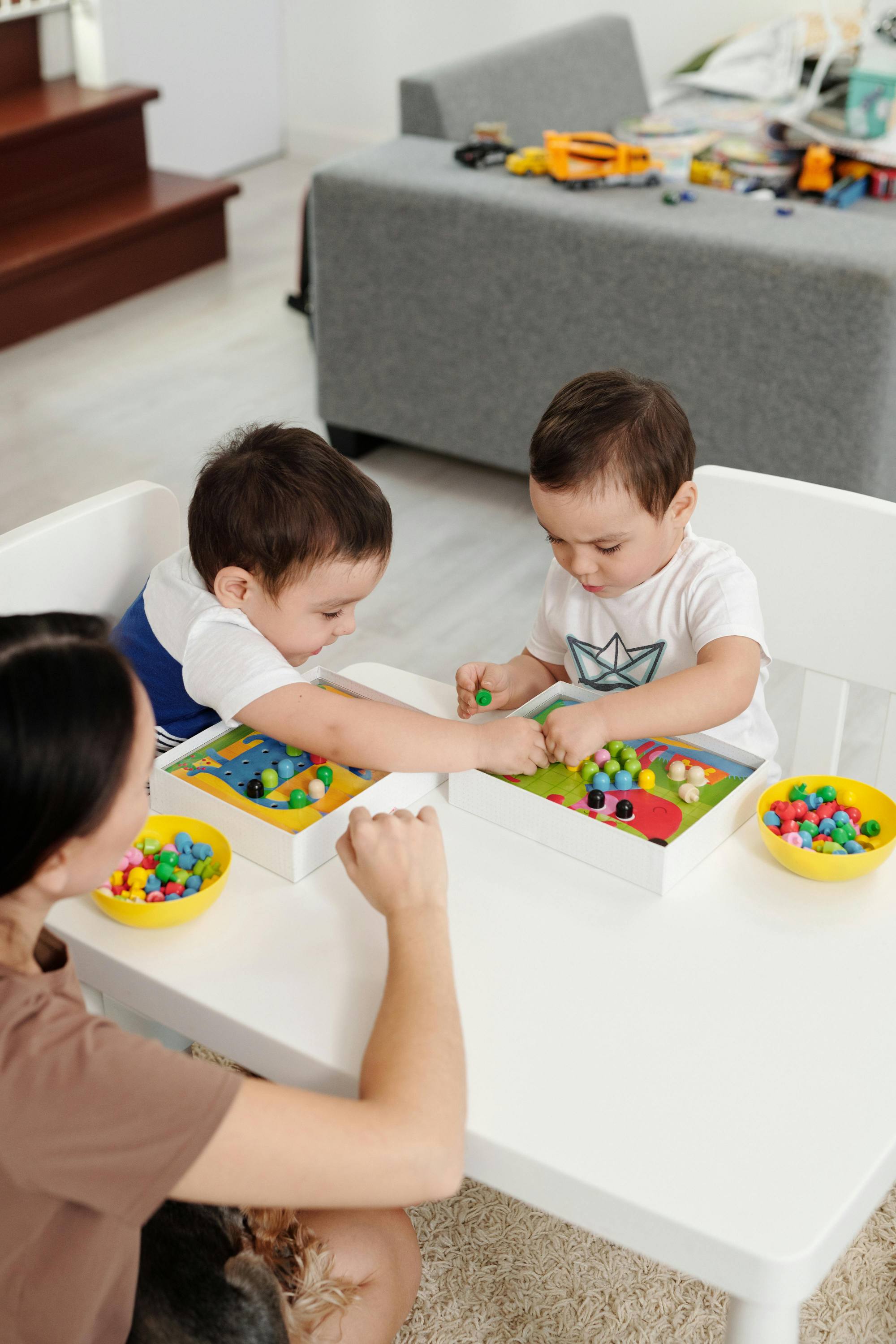
Parents want toys that help kids learn and grow. Sensory toys now do more than just entertain. They help kids build skills for school and life. Kids use sight, sound, and touch at the same time with these toys. This helps them remember things and connect ideas to real life.

Vygotsky’s theory says toys help kids learn by playing with others. Sensory toys made with these ideas help kids solve problems and make friends. Parents see these good things and pick toys that help their baby reach big milestones.
Reducing Screen Time
Parents worry about kids using screens too much. The market now has more toys for hands-on play. Sensory toys let kids explore, move, and create without screens. Parents see their baby focus longer with hands-on activities. These toys help kids relax and use their imagination. More parents want toys that keep kids busy and active. Many families set time each day for play without screens. This helps kids grow well and learn real-life skills.
Toy Trends 2025
Future Outlook
Experts think toys in 2025 will be smarter and kinder. Companies want to make toys with advanced AI and interactive parts. Smart plush toys and emotional regulation plushies will help kids handle feelings. These toys will also help kids learn social skills. Many new toys will teach empathy and include everyone. For example, there will be more fidget toys for neurodiverse kids. Gender-neutral dolls and toys that show disabilities will be easier to find. These trends show people care about sensory play and emotional growth.
Screen-free fidget toys that you can touch will be popular again. Parents and teachers like toys that help kids focus and be creative. They want toys that do not need screens. The industry thinks these ideas will bring new inventions and change how kids play. Sustainability will still be very important. Companies will use biodegradable materials and get supplies in fair ways. This is because families want eco-friendly toys. The market will have more toys that can be personalized and changed. Some will have biometric feedback and neurofeedback features. These new things will help kids get support for stress and sensory needs.
Opportunities and Challenges
The sensory toy market in 2025 has many chances to grow. More parents know about what kids need to learn and develop. This makes them want more educational and STEM toys. Online shopping helps brands sell to people all over the world. It also lets them use data to market better. New technology, like AI, helps make toys that are more fun and can change for each child. Companies can now track how kids grow and make toys faster.
But there are still problems. Safety rules are getting tougher everywhere. Companies must make toys that are safe, not too expensive, and still new. Prices for materials, shipping, and workers are going up. There is a lot of competition, so companies must keep making better toys and keep prices low. Fake toys are a problem and can hurt trust in brands. Companies also need to use eco-friendly materials and ways to make toys. Toys do not stay popular for long, and there are many choices, which makes it hard.
The future of toys will depend on how well companies handle these chances and problems. To win, they must focus on safety, new ideas, and caring for the planet.


What We Supplied
Types of Sensory Toys
Tactile Stimulation Sensory Toys:
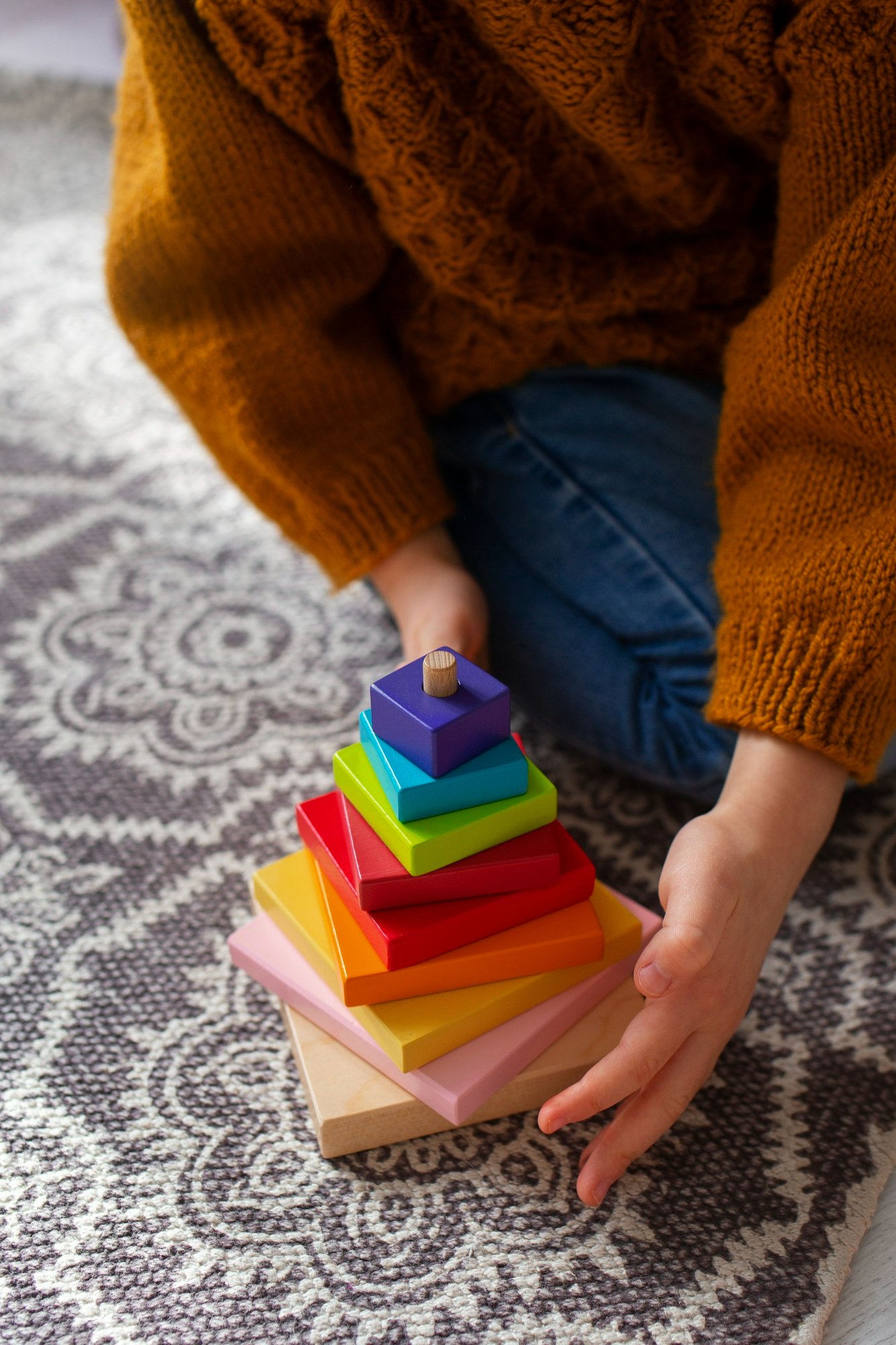
Through materials with different textures and textures, the sense of touch is stimulated. Sensory toys with different materials (such as soft, hard, rough, smooth, etc.) can help distinguish and identify different touches.
Visual Stimulation Sensory Toys:
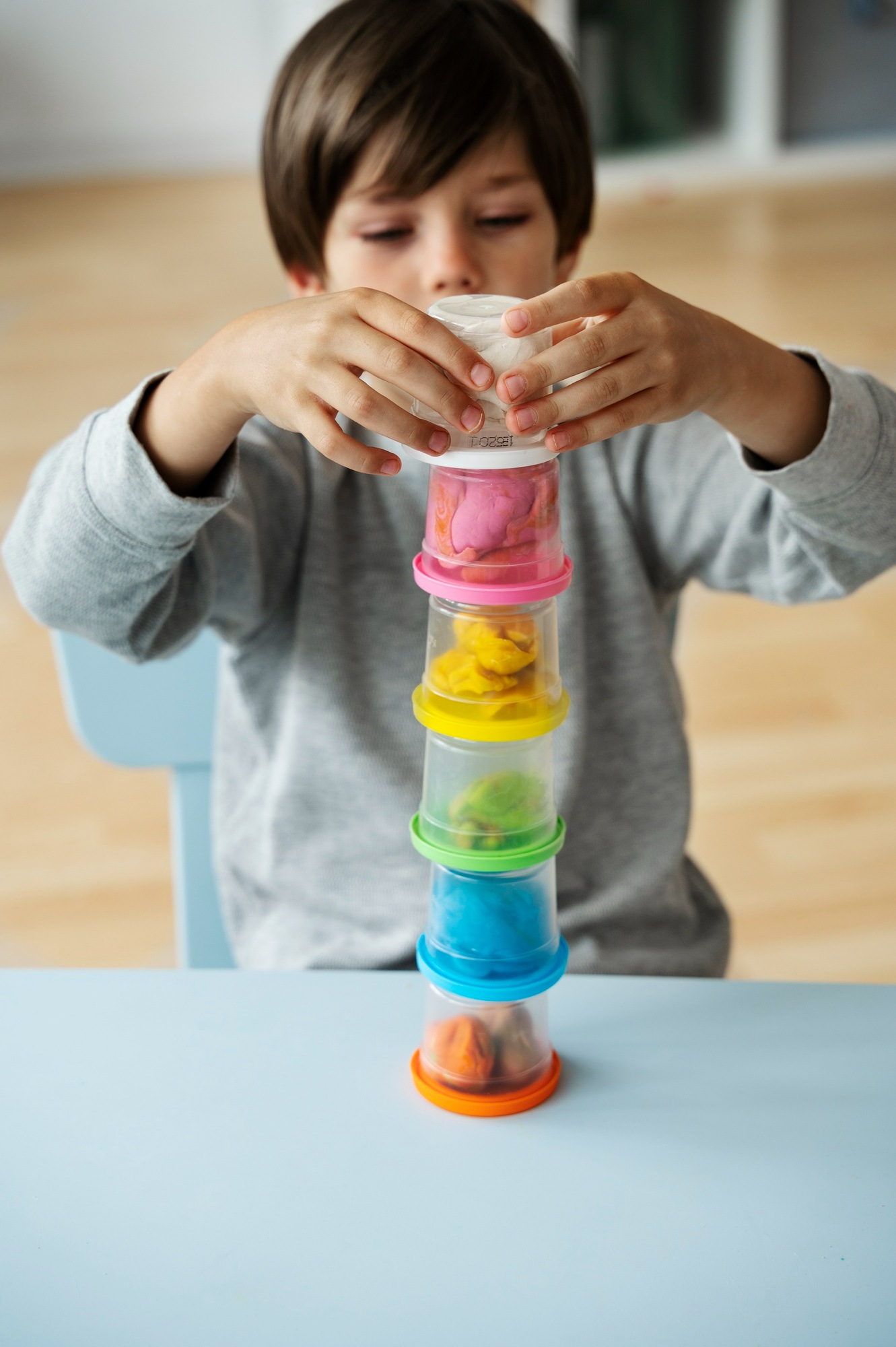
Visual development is stimulated through changes in color, shape, and pattern. Visual boards featuring contrasting colors and dynamic bubble columns can help individuals understand and explore their surroundings.
Auditory Stimulation Sensory Toys:
Through various sounds, auditory development is stimulated. Light sound toys or sensory boards with subtle sounds, as well as objects of various sizes, shapes, and textures, can promote auditory recognition ability.
Taste And Smell Stimulation Sensory Toys:
While fewer toys are designed for taste and smell stimulation, these senses can be indirectly engaged through certain interactive games.
Vestibular Stimulation Sensory Toys:
Vestibular stimulation toys mainly include various equipment and toys that can stimulate the vestibular system. These toys help children develop their vestibular system and cultivate a sense of balance.