Sensory Rooms
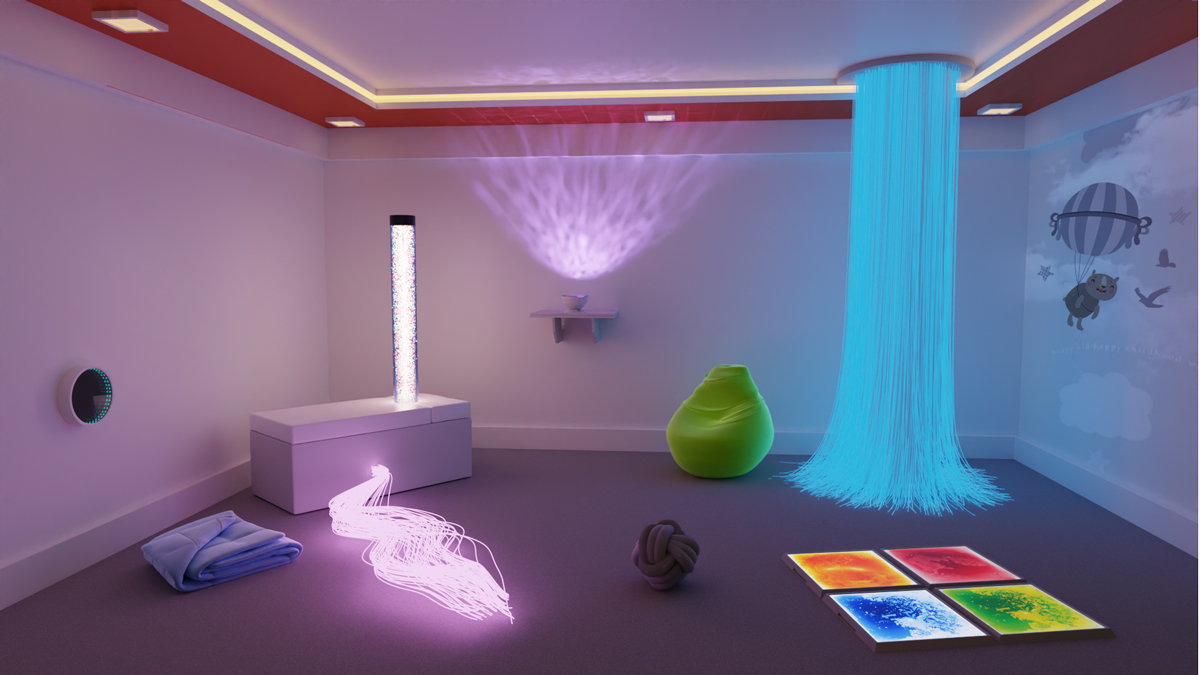
The sensory integration room is a room that is based on sensory integration training and integrates a variety of sensory integration training equipment and sensory room toys.
The sensory room is decorated with an open-plan design and is used for sensory therapy or training. Sensory room for autism can provide various sensory stimulation, including smell, vision, vestibule, hearing, joints, smell, taste, touch, muscles, and other functions.

2 in 1 Wooden Sensory Triangle Mirror Tunnel With White And Black Board
Model NO.:LD26R724

Soft Play Round Trampoline Soft Sided Trampoline for Sensory Room
Model NO.:LD26G120
Wooden Ladder For Kids
Model NO.:LD25K002

LED Infinity Mirror
Model NO.:LD25R001


Space Theme Sensory Mats 8pack Texture Sensory Pads for Autism and Sensory Play
Model NO.:LD25SE823

Safe & Fun Soft Play Climbing and Sliding for Kids
Model NO.:LD25R815

Swing Frame With Mats
Model NO.:LD25R807
- 1
- 2
- 3
- 4
- 14
Key Takeaways
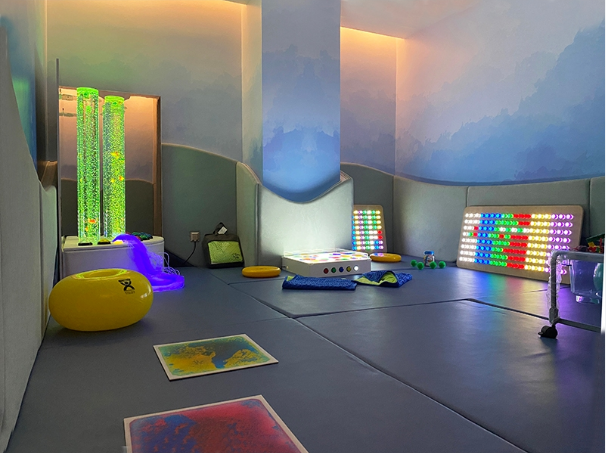
You can make a sensory room in any place, big or small. You do not need a lot of money. Studies show that even a small office or a simple home setup can help. You just need adjustable lighting, soft seating, and sensory items. These things can lower stress and help people focus. A sensory room gives kids, adults, and neurodiverse people a safe place. They can relax, control their feelings, and feel calm.
Sensory rooms help people relax and focus. They help people manage feelings. These rooms use calming lights and soft seats. Sensory tools are also used in these rooms.
You can make a sensory room in any space. The space can be big or small. Choose safe and adjustable equipment. Pick things that fit your needs and budget.
Weighted items and tactile toys help with sensory control. Visual and auditory equipment also help. These tools lower stress for kids and adults. They also help neurodiverse users.
To plan a sensory room, start by checking what users need. Pick a good spot for the room. Set a clear budget. This makes the space safe and useful.
Clean the room often and check for safety. Use flexible furniture and add personal touches. This keeps the sensory room helpful and friendly.
Sensory Room Basics
What Does a Sensory Room Do
A sensory room is a safe place for your senses. You can use it to calm down or feel happier. It helps you control your feelings and focus better. Many people use sensory rooms to feel safe and in control.
Sensory rooms have different things to see, hear, and touch. You can change the lights or touch soft things. You can also listen to quiet sounds. These things help you relax or wake up, depending on what you need.
Studies show sensory rooms help in many ways:
· They help you calm down and handle stress.
· Sensory rooms make you feel safe.
· You can feel more connected to your body and peaceful.
· Over time, you learn ways to manage yourself.
· These ways help you do daily things.
· Sensory rooms help your mental health and make care better.
Multi-sensory rooms use these tools to help you practice coping and get better at handling your senses.
Who Benefits
You might wonder who uses a sensory room the most. Kids with autism, ADHD, or sensory processing disorders use them a lot. Older adults with dementia or Parkinson’s disease also benefit. Sensory rooms help people in schools, hospitals, and care homes.
If you have trouble with your senses, a sensory room can help you feel less stressed and focus better. These rooms help you control your feelings, move better, and talk to others. For example, kids with autism act better and pay more attention after using a sensory room. Students with sensory problems also behave better and join in more at school.
You can find sensory rooms in many places. They help people of all ages, from kids to seniors. Using a sensory room helps you learn coping skills and gives you a safe place to be.
Sensory Room Benefits
For Children
A sensory room helps children grow and learn new things. These rooms let kids safely explore sights, sounds, and textures. Children who use sensory rooms can focus better and pay more attention. They may have fewer meltdowns and feel calmer. Research shows sensory integration activities in these rooms can lead to:
· Better body awareness and sensory integration
· Improved coordination and motor planning
· Stronger balance and physical strength
· More self-control and calm feelings
· Less sensitivity to sensory input
· Better behavior
Children with autism learn to handle their feelings in sensory rooms. These rooms help them join school activities and play with others. Sensory rooms help kids learn, make friends, and deal with stress.
For Adults
Adults can use sensory rooms to relax and lower stress. These rooms give adults a quiet place to calm down. Studies show sensory rooms help adults in mental health care. They feel less upset and need less restraint. Adults feel more relaxed and can handle daily problems. Sensory rooms for adults can give:
· Less anxiety and aggression
· Better control of emotions
· Easier ways to handle stress
· A safe place to calm down without medicine
Adults with autism also use sensory rooms. The best results come when the room fits their needs. Features like dim lights, soft chairs, and gentle sounds help adults feel better.
For Neurodiverse Users
Neurodiverse people can use sensory rooms to feel less overwhelmed. Many people with autism or ADHD use these rooms to feel safe and focused. Some may need soundproofing or lights they can change. Sensory rooms help by letting you control your space. The benefits for neurodiverse users are:
· Easier sensory control
· Less stress in busy places
· More comfort and privacy
· Better mental health and focus
Planning a Sensory Room
Assessing Needs
Before you make a sensory room, think about who will use it. You need to know what they need. Occupational therapy rules say to follow steps one by one:
· First, do a sensory assessment. Use tools like the Adolescent/Adult Sensory Profile. This helps you learn about each person's sensory needs.
· A trained occupational therapist should check the results. They can explain what the data means.
· Find out about daily routines and problems. Talk to users or caregivers to get a full idea.
· Look for patterns in the information. This shows what most people need from the room.
· Use what you learn to pick features and equipment. Be ready to change things as needs change.
If you work at a school, write down why the student needs the sensory room in their Individualized Education Program (IEP). Get feedback and keep track of how the room helps each person.
Choosing a Location
You can make a sensory room in many places. Homes, schools, and clinics all work. Think about how much space you have. You do not always need a whole room. Sometimes a sensory tent or a quiet corner is enough. The type of room—calming or stimulating—will help you decide what to use.

Setting a Budget
When you plan a sensory room, make a clear budget. Write down what you need most, like lights, soft seats, and sensory tools. Start with the most important things and add more later. Modular furniture and panels you can change help save money and let you update the room. Ask users what they like best. This helps you spend money well and meet everyone’s needs.
Sensory Room Equipment
When you make a sensory room, you need the right things. The equipment and furniture should help people feel calm. Pick items that fit your needs and space. Each piece helps make a place where you can relax and focus. This also helps you feel better and more in control.
Calming Lighting
Lighting changes how you feel in the room. Stay away from harsh lights like fluorescent bulbs. These can be too much for some people, like those with autism. Use soft LED lights that do not flicker. You can change how bright or colorful these lights are. This helps you make the room feel safe and cozy.
· Blue and green lights help you feel calm and balanced.
· Smart lights let you change color and brightness. You can even set them to turn on or off at certain times. This makes the room fit what you need.
· Sunlight or lights that act like sunlight can make you feel happier and sleep better.
Soft Seating and Furniture
Soft seats are very important in a sensory room. Pick chairs and mats that feel good and safe. Beanbag chairs, rocking chairs, and soft mats give you a place to rest.
· Beanbag chairs shape to your body and help you feel safe.
· Rocking chairs move gently and help you calm down.
· Soft mats and cushions let you touch and play.
Studies show soft seats help lower stress and help you pay attention. They are good for people who have trouble with their senses. Always check that your furniture is safe and easy to use.
Weighted Items
Weighted items are also important for a sensory room. These are things like weighted blankets, lap pads, and vests. They give your body a gentle, steady pressure.
This pressure feels like a hug and helps you relax. Studies say weighted items can help you feel less worried and sleep better. Kids with autism may sleep better and feel less upset with weighted blankets. Pick a blanket that is about 10% of your weight for the best results.
Weighted items are easy to use and do not cost much. You can use them with other sensory tools.
Sensory Toys and Walls
Sensory toys and wall panels make the room fun and help you learn. These things wake up your senses and help you practice new skills.
1. Sensory wall panels have buttons, gears, and different textures. You can touch and move these parts to learn.
2. These panels help you get better at using your hands and solving problems.
3. Sensory walls use ideas from Montessori to help you be creative and learn by yourself.
4. Wall panels save space and keep the room safe.
5. You can pick panels that match your room and what you like.
Toys like blocks with textures, kinetic sand, and stacking towers help you use your hands. Light-up toys and music toys help your eyes and ears. These tools help you stay calm, focus, and grow.
Visual Equipment
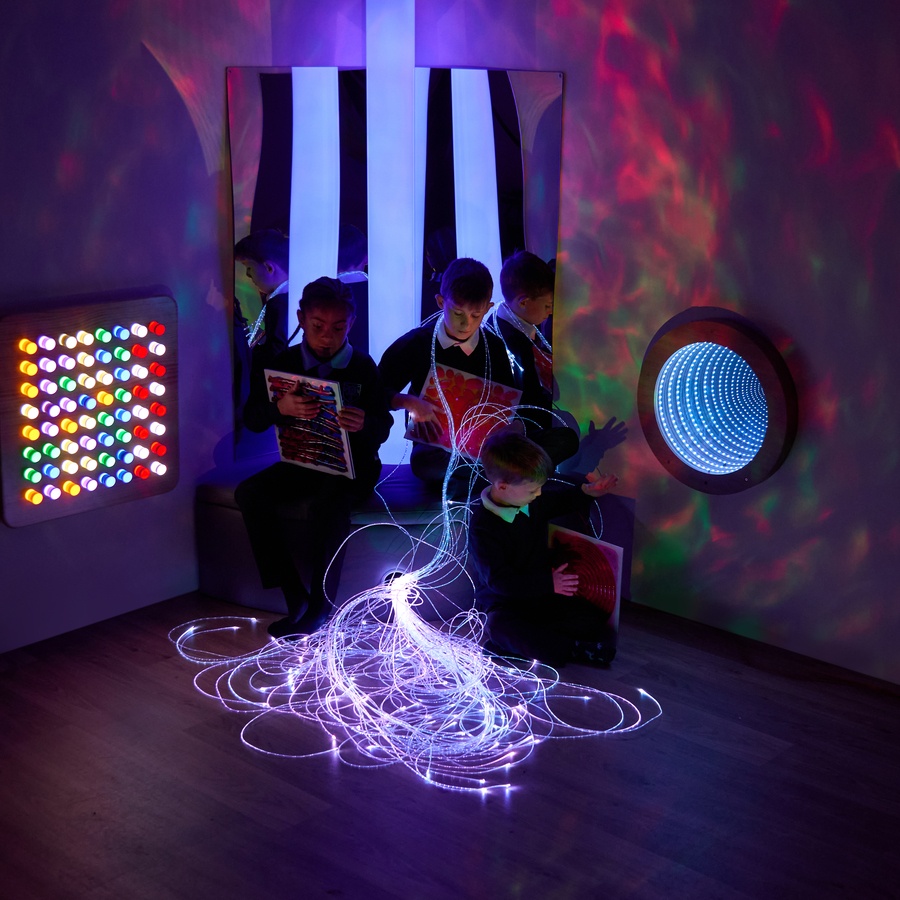
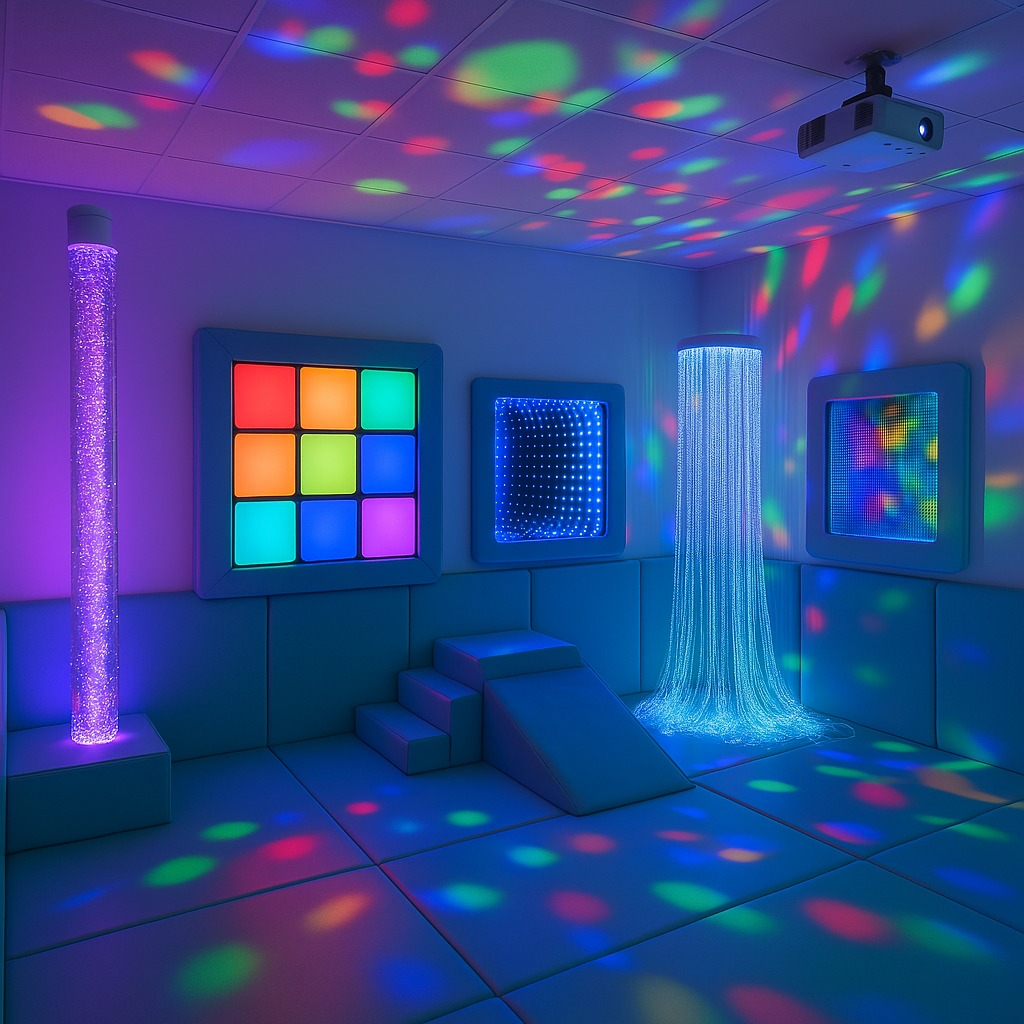
Visual equipment adds color and movement to your room. Some good choices are LED lights you can dim, projectors, fiber optics, bubble tubes, and mirror balls.
· Bubble tubes and fiber-optic lights make calming effects. Watching bubbles or colors change helps you relax.
· Projectors show soft pictures or shapes on the walls. This makes the room feel peaceful.
· Mirror balls bounce light around and add gentle movement. This helps your mood and your eyes work together.
Studies say visual equipment helps you behave better and pay attention. These tools help you feel calm and interested.
Auditory Equipment
Sound is a big part of a sensory room. You can use sound tools to make the room quiet and peaceful.
· White noise machines and nature sounds cover up loud noises. This helps you relax.
· Soundproofing, like foam or thick walls, keeps out extra noise. This helps you focus.
· Noise-canceling headphones block out sounds and help you concentrate.
· Weighted sound vests or lap pads give soft vibrations and calming sounds.
Using calm lights and sound together helps you feel balanced and in control.
Tactile Zones
Tactile zones are places with things you can touch. These areas help you use your senses and feel better.
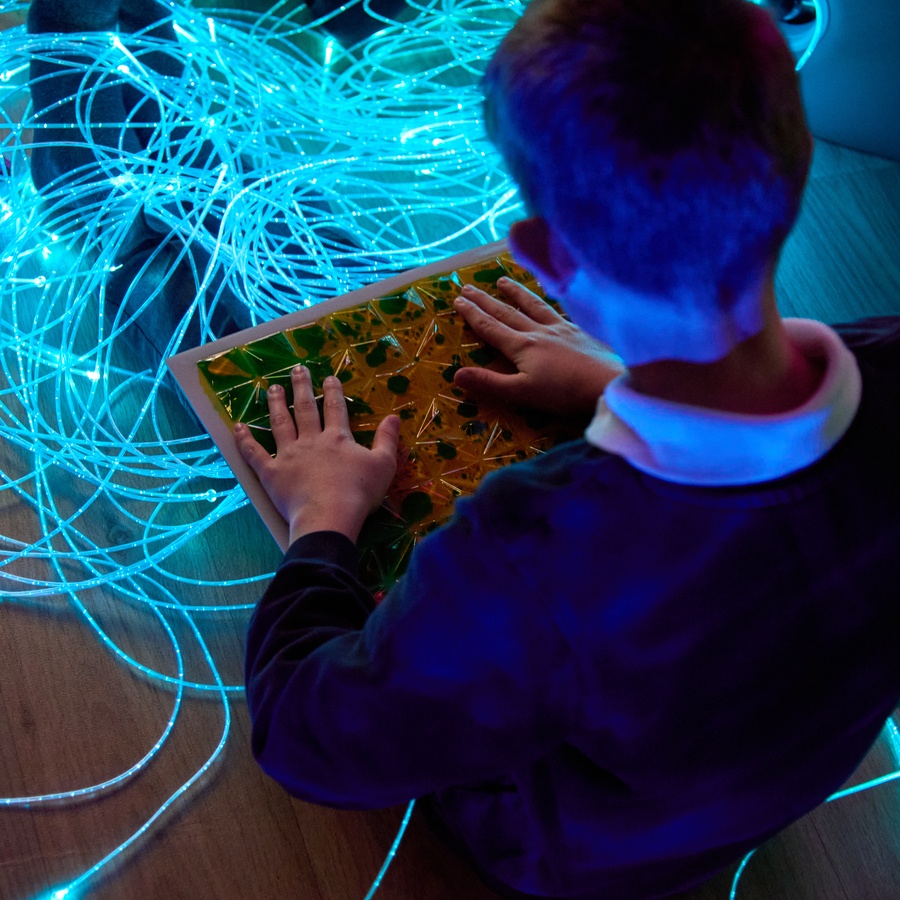
· Textured balls, fidget toys, and bins with rice or sand let you explore with your hands.
· Weighted toys give gentle pressure and help you handle feelings.
· Rooms with many textures help you use your hands better and get stronger.
Tactile zones also help you be more independent and make friends. Caregivers can watch how you use these zones to help you learn.
Sensory Room Ideas for Autism
Sensory Regulation
Sensory room ideas for autism help you handle sensory input. They make a calm space for you. Many people with autism get upset by loud sounds or bright lights. Busy places can also feel too much. You can make a quiet room for autism to help with this. It helps you control your senses and feel less stress.
· Tactile wall panels have many textures to touch. You can explore them with your hands. These panels help you focus and feel calm.
· Weighted items like blankets or lap pads give deep pressure. This feels like a soft hug and helps you relax.
· Sensory projectors show gentle images on the walls. Watching these pictures can help you feel safe and calm.
· Flexible furniture, like soft cushions and sensory chairs, lets you pick how to sit or move.
· Noise reduction tools block out loud sounds. Soundproof curtains and white noise machines help with this.
· Soft LED lights and sunlight help you feel less anxious. They also help you pay attention.
· Quiet zones have calming tools like fidget toys or hammocks. These spots give you a place to calm down.
Research shows that controlling sensory features helps you feel better. You may do fewer repetitive actions and feel more comfortable. Sensory rooms help you react better to sounds and sights. They also lower your anxiety. When you use sensory room ideas made just for you, it is easier to handle your senses and feel calm.
Emotional Development
A sensory room helps you grow emotionally and feel good. Calming sensory room ideas help you manage stress and learn new skills. Many studies say sensory rooms help people with autism feel less worried and more relaxed.
1. Sensory integration activities help you know and control your feelings.
2. Deep pressure tools like weighted blankets help you handle your emotions.
3. Visual aids, like schedules and labels, make routines easy to follow. They help you worry less.
4. Calm spaces with soft colors and gentle lights help you feel safe.
5. Quiet areas let you take breaks. You can go back to activities with better focus.
One study found students had fewer problems in class after using a sensory tool. They joined in more with others. Sensory rooms also help you make friends and feel included. When a sensory room fits your needs, you can relax and learn. You can also connect with others. These rooms help you grow emotionally and have a better life.
Adapting Sensory Rooms
Large Spaces
You can make a big room sensory-friendly by splitting it into zones. Use bookshelves, curtains, or movable furniture to make open and private areas. Set up a high-sensory zone for people who want more stimulation. Make a low-sensory zone for those who need calm. Some colleges use tall seats and curved walls to separate spaces but keep them open. This helps you feel safe and still be part of the bigger room. Always ask users what they think and change the setup if needed. Tell people about your sensory room with signs and online posts so everyone knows it is there. These steps help people with autism and other sensory needs in large, busy places.
Small Spaces
You can have a sensory room even in a small spot. First, clear out clutter and use closed bins to keep things neat. Flexible seats, like folding mats or beanbags, let you change the space fast. Use LED or fairy lights to make the room feel calm. Add fidget toys, textured mats, and headphones to help with different needs. Posters or activity cards show kids the rules and choices. Even a small corner or closet can be a sensory-friendly spot with the right things.
Bedrooms and Homes
You can make your home sensory-friendly with small changes. Put in dimmer switches and use warm bulbs for soft light. Blackout curtains help control light for people with autism or light sensitivity. Add rugs and wall hangings to soak up sound. Weighted blankets and soft pillows give deep pressure and comfort. Use closed bins and simple labels to keep things tidy. Pick bedding and decorations in soft colors like blue or green to make the room feel calm. Cozy corners with plush toys or textured pillows help you relax and feel safe.
Schools and Therapy Centers
Sensory rooms in schools and therapy centers use proven methods to help kids with autism and sensory problems. Occupational therapists often use Ayres Sensory Integration® to pick activities and tools. You might see adjustable LED lights, fiber optic lights, and weighted vests in these rooms. Staff work together to make a sensory-friendly space that helps students focus, calm down, and join class activities. Students and teachers give feedback to make the room better over time. Working with families makes sure each sensory room fits every child’s needs.
Adult Spaces
You can make an adult sensory room at home, work, or in the community. Use dimmable LED lights to avoid bright glare. Pick comfy seats like beanbags, rocking chairs, or loungers. Add things to touch, like weighted blankets, soft rugs, and fidget tools. Calm sounds, like nature music or white noise, help lower stress. Gentle scents, like lavender, can also help you relax. Many adults with autism or sensory needs use these rooms to calm down after a busy day. Studies show sensory rooms for adults help with focus, lower anxiety, and support emotional health. You can make your adult sensory room special by picking your favorite tools and setup.
Customizing and Arranging
Personalization
You can make your sensory room special for you. Think about what helps you feel calm or awake. Some people like soft lights. Others need quiet sounds or gentle things to touch. You can use a table to find the best ways to make your sensory space fit you:

Personal sensory tools, like weighted blankets or calming pictures, help you handle feelings and feel in control. You can talk to an occupational therapist to find the best sensory tools for you.
Modular Solutions
Modular solutions let you change your sensory room easily. You can use foldable walls, sliding doors, and furniture that moves. This helps you make quiet spots or active areas when you need them. Tactile floors, sound cues, and scent diffusers help you feel comfortable and safe.
Smart tech, like voice controls and lights that turn on by themselves, makes your sensory room safer and easier. Modular design helps you be more independent and comfy. You can move the sensory equipment to match your mood or what you want to do. This way works for people with different sensory needs and helps everyone feel welcome.
Layout Tips
You can make your sensory room work better with these layout tips: 1. Split the room into spots for work, play, and sensory fun. 2. Keep walkways open for safety and easy moving. 3. Put furniture so you can see the whole room and watch if needed. 4. Use natural or changeable lights to stop harsh glare. 5. Pick soft or light colors for walls and furniture to keep things calm. 6. Add rugs and curtains to make the room quieter. 7. Put sensory items like fidget tools and tactile boards where you can reach them. 8. Take away sharp edges and choking risks to keep it safe. 9. Make sure people who use wheelchairs or walkers can get around. 10. Use clear labels and picture charts to help you find things.
You can also add plants or sunlight to help you feel less worried and focus better. Ask therapists, parents, and users to help design the room so it fits everyone’s needs.



What is a Sensory Room
Function Of Sensory Room
A sensory room is a specially designed space that is mainly used to provide a pleasant or calm multi-sensory experience environment for children (especially those with autism or sensory processing disorders).
The sensory room's core purpose is to meet children's sensory needs, promote their perception, attention, learning ability, and social skills development, and help improve emotional regulation and reduce disruptive behavior.
Equipment Of Sensory Room
Sensory room is usually equipped with various sensory input and output devices, such as bubble tubes, interactive floors, fiber optic lights, etc.,
The sensory room is designed to stimulate children's sensory sensitivity and responsiveness and help them calm down and focus. To be better prepared to learn, interact with others, and practice large motor skills.
Form Of Sensory Room
Sensory room is not limited to the traditional room form. It can also be a corner, closet space, or other creative area in the home, as long as it can meet the sensory needs of children.
The design of the sensory room often adopts soothing colors and patterns and is equipped with equipment such as bubble columns and sensory mats to provide a sensory and safe environment.
In the sensory room environment, children can exercise their attention, enhance their learning ability, and improve emotional regulation by participating in various fun activities.