
Speech Therapy
Speech therapy helps people who have difficulties with speech, language, and communication. A speech-language pathologist, also known as a speech therapist, works with you to improve your ability to speak and understand others. You may benefit from speech therapy if you struggle with pronouncing words, expressing your thoughts, or participating in conversations.
Speech-language pathologists use a variety of techniques in speech therapy to support your speech, language, and even swallowing skills. The main goals of speech therapy are to boost your confidence and make everyday communication easier. Speech therapy is personalized to fit your needs and can assist people of all ages.








Key Takeaways
· Speech therapy helps people of any age talk better. It also helps with language and communication. Each person gets a plan made just for them.
· Kids may show early signs of speech problems. These signs are using few words, not speaking clearly, or not following directions. Adults may need help after a stroke or injury.
· Speech therapists check what you need. They make a plan just for you. They use fun games and new tools like apps and devices to help you learn.
· Practicing at home often helps you get better faster. Family support also helps you use new skills every day.
· Speech therapy helps you talk and understand others better. It can make you feel more confident. It also helps you swallow safely and live better.
Who Needs Speech Therapy
Speech therapy helps people of any age who have trouble with speech, language, or talking with others. You might see signs that someone needs speech therapy in kids, teens, adults, or older people. These signs can be problems with speaking clearly, understanding what others say, or using words in daily life.
Children and Teens
Kids and teens can show early signs of speech or language problems. If you have a young child, look for these signs:
· They know fewer than 50 words by age 2.
· They do not seem interested in talking, making eye contact, or playing games with others.
· Their speech is hard for family to understand.
· They are slow to point, ask for things, or follow easy directions.
Kids in school might show:
· Stuttering, like repeating sounds or words.
· Trouble making sounds like "s," "l," or "r."
· Voice problems, such as sounding hoarse or having a strange pitch.
· Feeling upset or shy about talking.
Family support is very important for kids in speech therapy. When you practice speech at home and work with a speech-language pathologist, your child can get better faster.

Speech Therapy for Adults
Adults and older people may need speech therapy for many reasons. You might need help if you have trouble talking after a stroke, brain injury, or a disease that affects the brain. Some adults need help with changes in their voice, swallowing, or thinking and talking. People like actors or public speakers may use speech therapy for adults to speak better or change their accent.
You might need speech therapy for adults if you notice:
· Trouble speaking clearly or understanding words.
· Changes in your voice or trouble swallowing.
· Problems with memory, paying attention, or talking with others.
· Speech problems after a stroke or injury.
Speech therapy for adults can help you get back skills, feel more confident, and recover after health problems.
Common Conditions
Speech-language pathologists help with many kinds of problems. Here are some of the most common:
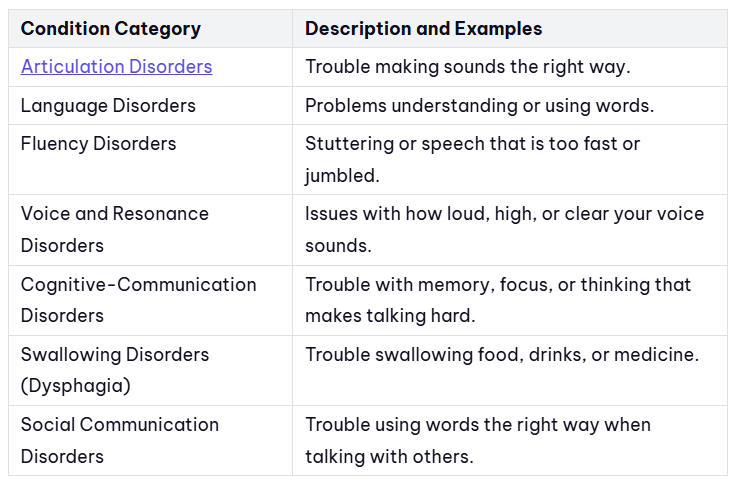
You can have these problems alone or together. Kids with speech problems often have other issues, like autism or ADHD. Speech therapy helps you handle these problems and makes life better.
What Speech Therapy Treats
Speech and Language Disorders
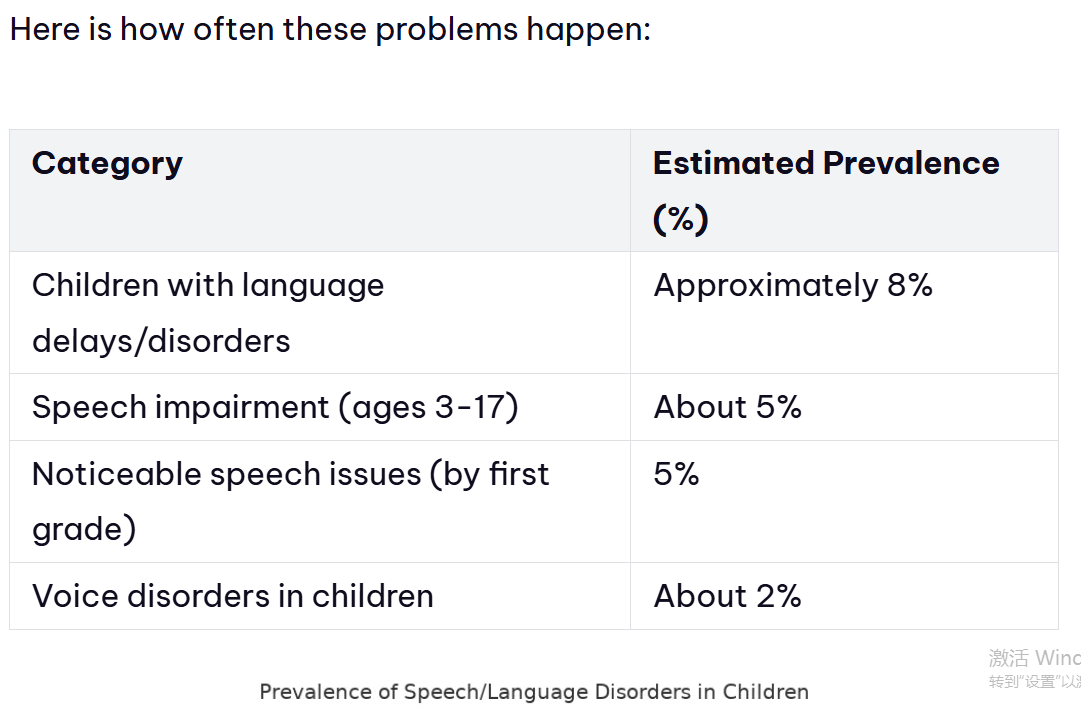
Speech and language disorders can change how you talk and understand words. These problems might make it hard to say some sounds or follow directions. You may also have trouble making sentences. Both kids and adults can have these challenges. Developmental language disorder is very common. It affects about 7.58% of people. Some people with autism or hearing loss also have language problems.
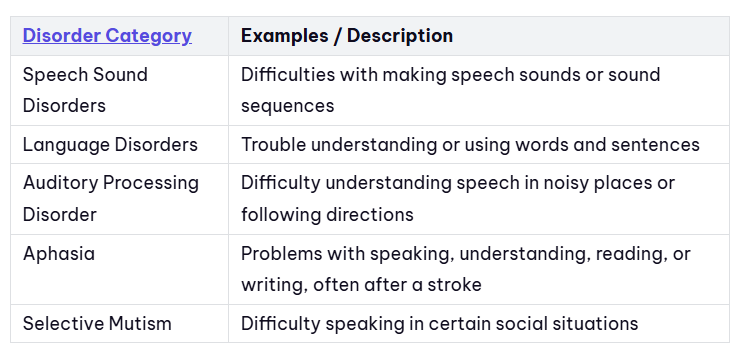
Some speech sound disorders are lisping or childhood apraxia of speech. These issues can happen alone or with other problems. Getting help early can make talking and daily life easier.
Voice and Fluency
Voice and fluency disorders change how your speech sounds and moves. Stuttering makes you repeat sounds or words. Cluttering makes you talk fast and hard to understand. Voice disorders can make your voice sound hoarse or too quiet. Some people get these problems after a stroke or brain injury.

Swallowing and Cognition
Swallowing and cognitive-communication disorders often happen together. This is common after a stroke or with brain problems. Dysphagia means you have trouble swallowing food or drinks. Many kids with cerebral palsy and adults after a stroke have this problem. Cognitive-communication disorders make it hard to remember or pay attention. You may also have trouble organizing your thoughts when you talk.
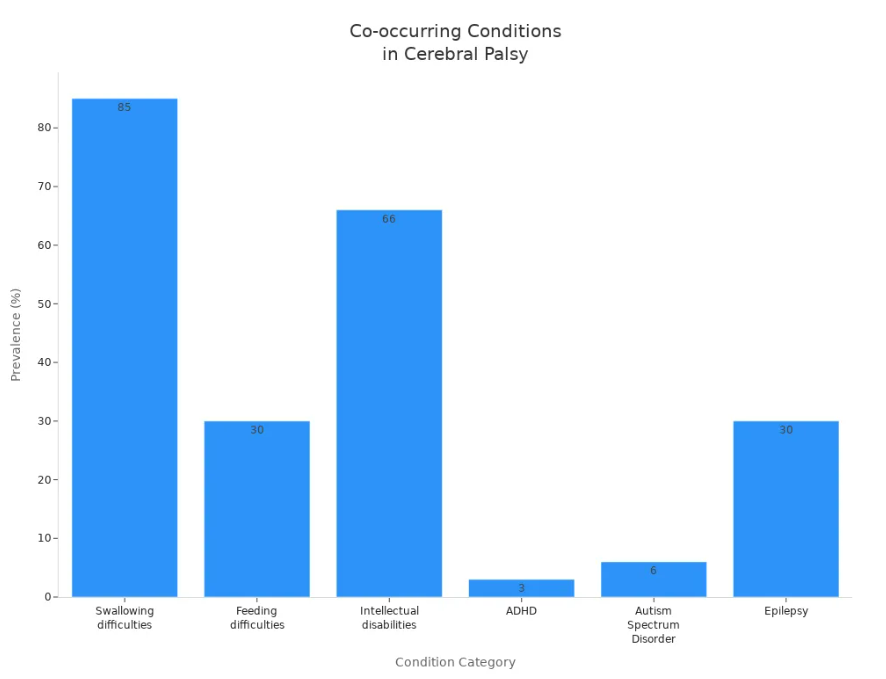
You might see swallowing and thinking problems with other conditions like intellectual disabilities, autism, or epilepsy. Regular checkups and early help can make these problems easier to handle and improve your life.
How Speech Therapy Works
Assessment by Speech-Language Pathologists
When you start speech therapy, a speech-language pathologist will check your needs. The therapist learns about your background by asking you and your family questions. You will take some tests to see how well you speak and understand words. The therapist watches how you talk at home or school. They may listen to you talk in real-life situations. The therapist also tries teaching you new things to see how you learn. They make sure the tests fit your culture and language. All the results are put together to show your strengths and what you need help with. This helps the therapist make a plan just for you.
Speech-language pathologists use forms and surveys to get more information from you, your family, and teachers. These tools help them pick the best tests and change the plan if needed. For some problems, special tools like the Western Aphasia Battery or Apraxia Profile are used. New computer tests can make checking your skills faster and more exact.
Personalized Treatment Plans
After the checkup, your speech-language pathologist makes a plan for you. This plan is made to fit your needs and goals. Finding problems early and starting therapy soon can help a lot, especially for kids. Your plan might have:
· Activities to help you learn new words and make sentences.
· Ways to encourage good talking habits, like giving rewards.
· Help at school, with your therapist working with teachers.
· Practice at home, with your family helping you use new skills.
· Tools like devices or apps to help you talk.
· Pictures, examples, and games to make learning fun.
· A place where you can talk and practice new skills often.
Your therapist may use your medical history or genetic test results to make your plan better. They watch how you do and change your plan as you get better. This way, you get the most out of speech therapy.
Therapy Techniques and Activities
Speech therapy uses many proven ways to help you reach your goals. Your therapist picks activities that fit your age and how you learn best. Some common ways are:
· Teaching grammar and sentence rules with clear lessons and practice.
· Breaking down and building sentences to help you understand them.
· Using pictures and sentence starters to help you learn.
· Telling stories and playing games to make practice fun.
· Hearing correct speech many times and having your words repeated the right way.
· Working on talking and reading skills at the same time.
· Getting your family to help you practice outside of therapy.
· Using pictures, movement, and sounds to help you learn.
Therapists use these ways for both kids and adults. Kids might play games to practice sounds. Adults might work on talking for work or with friends.
Adult Speech Therapy
Adult speech therapy helps adults and older people with their special needs. You may need help after a stroke, brain injury, or with a disease like Parkinson’s. Adult speech therapy helps you get back lost skills, feel more sure of yourself, and do daily things again.
Here is what happens in adult speech therapy:
· The therapist checks how you talk, use your voice, and swallow.
· You set goals, like talking clearly at work or eating safely.
· Therapy may have exercises to make your mouth and throat muscles stronger.
· You practice ways to help your memory, focus, and problem-solving.
· The therapist teaches you new ways to talk, like using gestures or devices.
· You get help for changes in your voice, like hoarseness or low volume.
· The therapist works with your family so they can help you at home.
Adult speech therapy often uses technology, like apps or video calls, to make it easier to get help. You might join group sessions to practice talking with others. Speech therapy for adults helps you adjust to changes, be more independent, and enjoy life more.
Speech Therapy Tools
Modern speech therapy uses many different tools to help you. These tools make therapy more fun and easier for everyone.
Digital Apps and Games: You can use apps like Articulation Station, Speech Tutor, and Speech Blubs to practice sounds and words. These apps turn learning into games. They help you stay interested and want to keep trying.
AAC Devices: If you have trouble speaking, devices like Proloquo2Go or Tobii Dynavox can help you talk. Some of these use pictures, symbols, or even eye movement to help you share your thoughts.
Home Therapy Kits: Tools like Speech Buddies and TalkTools let you practice at home. They help you work on saying words and moving your mouth. This makes it easier to reach your goals outside of therapy.
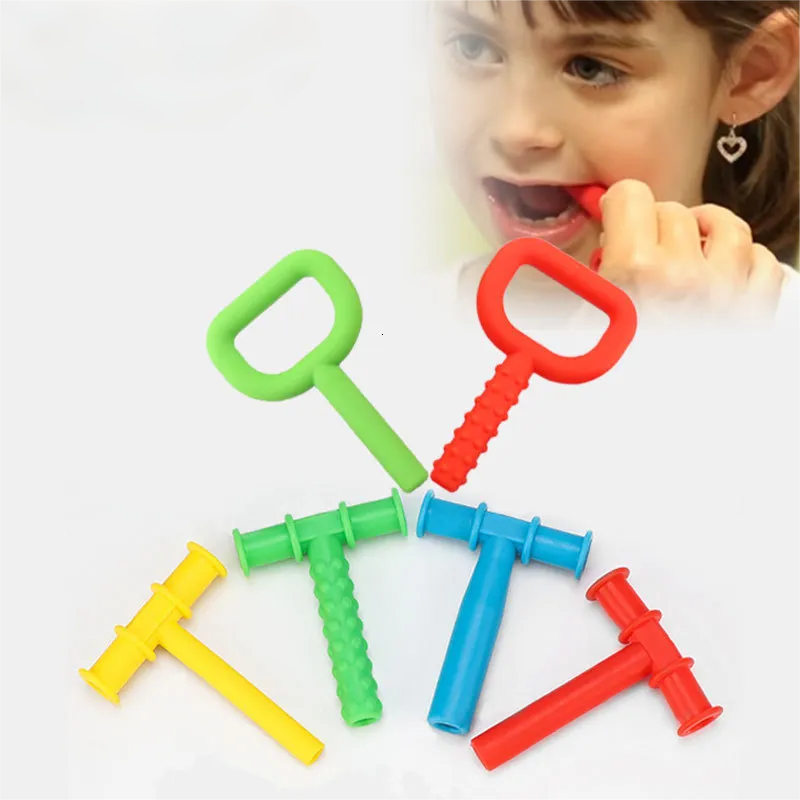
Oral Motor Tools: Things like the ARK Oral Motor Probe™, Z-Vibe®, and proButton™ Set help make your mouth muscles stronger. These tools help you say sounds better and eat safely.
Teletherapy Platforms: Services like TheraPlatform and Zoom let you meet your therapist online. You can join sessions from home. This makes therapy easier to get and more comfortable.
Assessment Software: Digital tools like Pearson Digital Assessments and Q Global help your therapist check how you are doing. These programs make testing faster and more exact.
Therapy Management Software: Platforms like WebPT and SimplePractice help your therapist keep track of appointments, notes, and bills. These systems use smart technology to save time and make fewer mistakes.
Therapists also use games, videos, and activities that use many senses to keep you interested. When parents help and materials match your culture, therapy fits you better and helps you more.
Benefits and Effectiveness
Communication Improvements
You will notice real changes in how you talk after therapy begins. Speech-language pathologists use proven ways to help you speak better. They help you understand others and join in conversations. Many people start saying sounds right about 80% of the time. You will use more words and make stronger sentences. You also learn to take turns when talking. You learn how to fix mistakes in conversations. These skills help you at school, home, and with friends.
Therapists check your progress using different tools. They use tests before and after therapy to see changes. They measure how your vocabulary and grammar improve. They also watch you and talk to your family to see real-life changes.
You get the best results if you go to sessions often. Practicing at home helps you improve faster. Family support and joining in make a big difference. Group therapy with other kids or adults helps you use your new skills. Digital tools and apps make practice fun and keep you interested.
Quality of Life
Speech therapy helps more than just your talking. It makes your life better in many ways. When you can share your thoughts and understand others, you feel less upset. You feel more connected to people. Therapy helps you join in at school, work, and with friends. Kids can learn and make friends more easily. Adults and older people can feel more independent and happy each day.
If you have trouble swallowing, therapy keeps you safe and healthy. You learn new ways to eat and drink. This lowers your risk of choking. Parents and caregivers get tips to help at home. Meals become less stressful and more positive.
Therapy also helps you feel more confident. You learn to face problems and speak up for yourself. Over time, you feel better in conversations and worry less about mistakes. This helps you enjoy life, connect with others, and reach your goals.