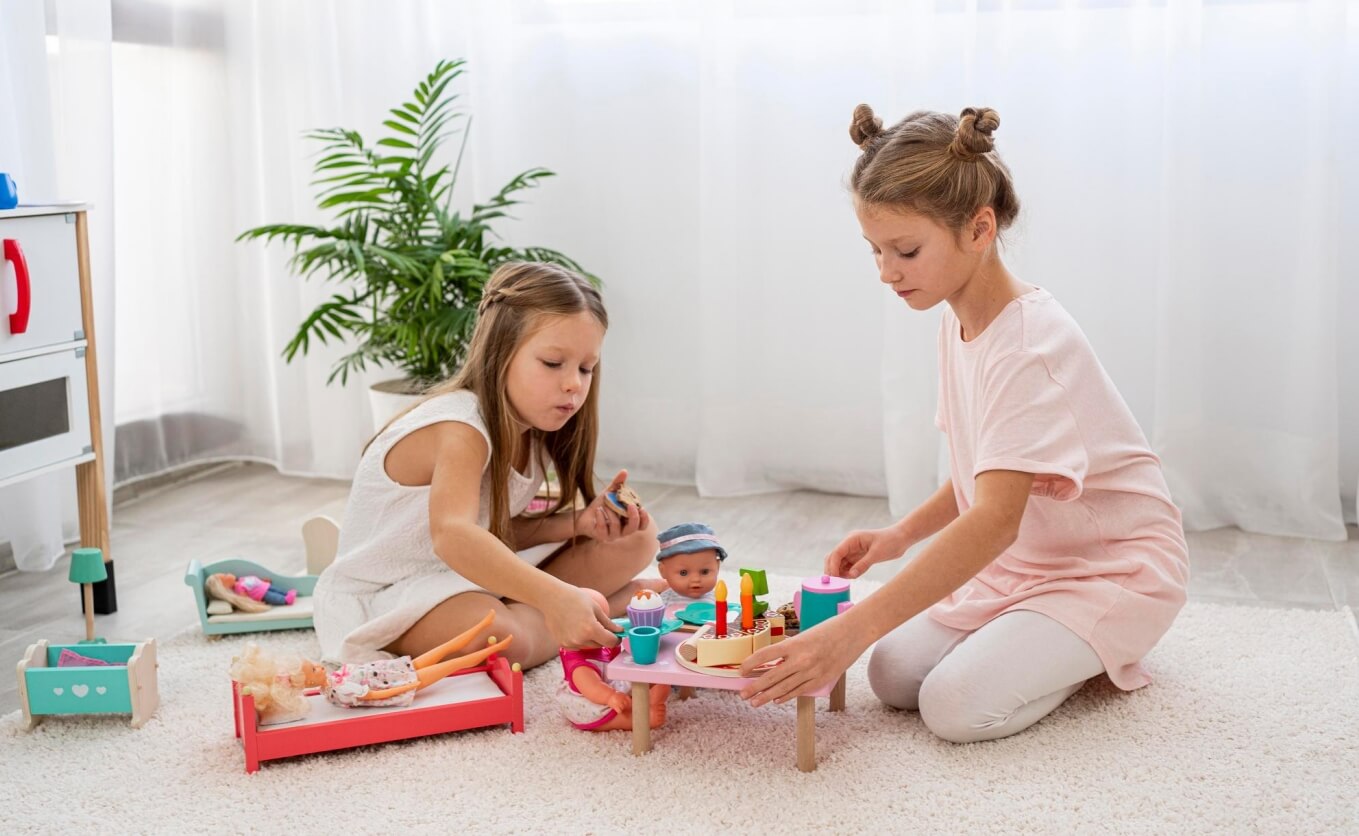
Pretend Toys
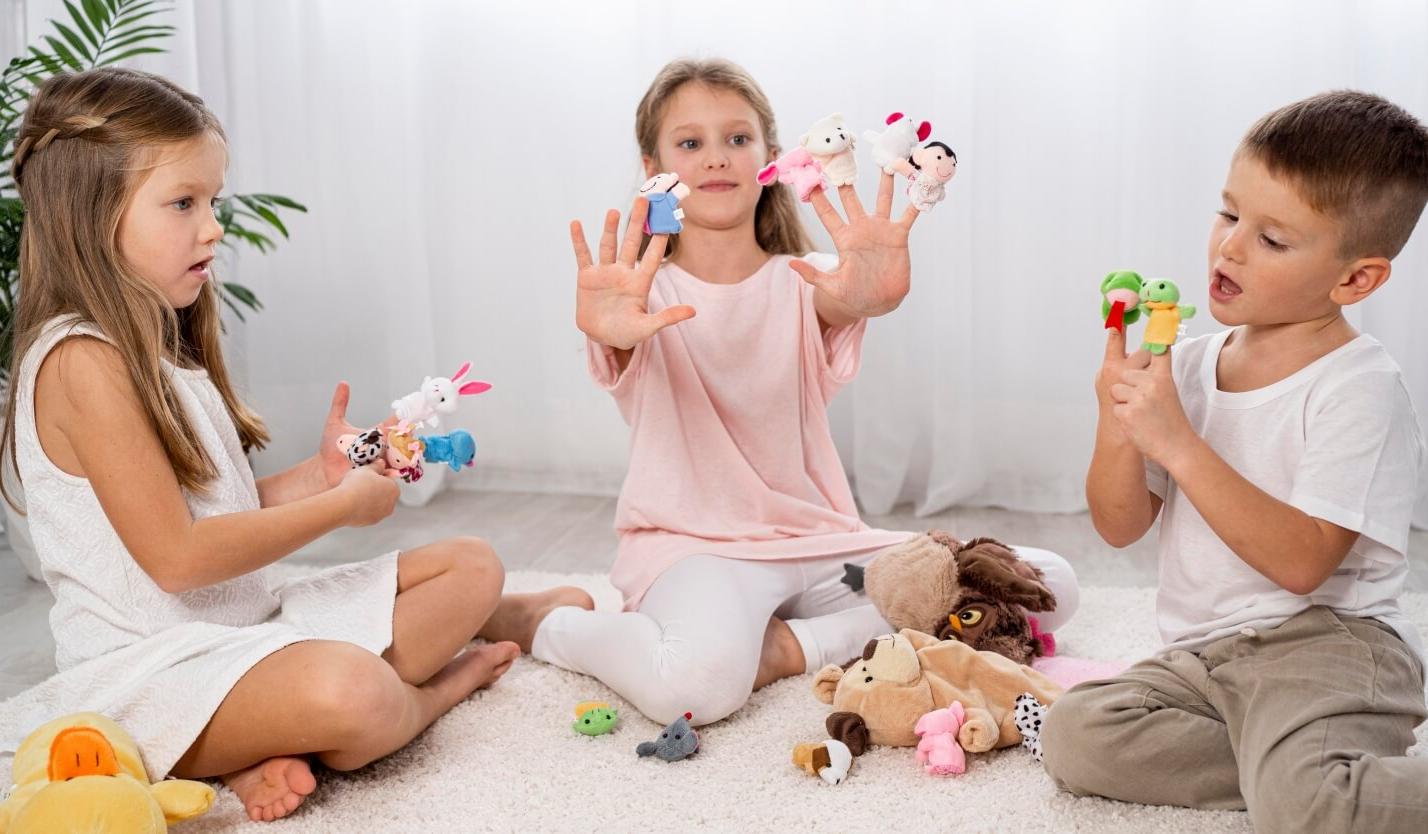
Pretend Toy is a simulation game.
Pretend Toy is an important form of play in child psychology.
Pretend play toys are loved by all children around the world because they allow children to demonstrate their understanding of the real world through role-playing and simulating various real-life scenarios, such as cooking, taking care of children, etc. Satisfy their curiosity and desire to explore.


Wooden Pretend Play Supermarket Checkout Counter for Preschool
Model NO.:LD26F608


Wooden Pizza Cutting Toy Kids Pizza Play Set develops hand-eye coordination
Model NO.:LD25F729

- 1
- 2
- 3
- 4
- 10

Key Takeaways
Pretend play toys help kids think, talk, and make friends. They let kids use their imagination and act out roles. Playing pretend helps kids solve problems and learn new words. It also helps them understand how others feel. Pretend play helps kids grow emotionally. It teaches them to handle feelings and get along with friends.
Using pretend play toys helps kids move better. It builds small and big muscle skills. Kids learn to control their hands and bodies. Parents can help by picking toys for their child’s age. They can make fun places to play. Parents can join in but should not take over.
Pretend Play Toys and Child Development
What Are Pretend Play Toys
You can find pretend play toys in many places. They are in homes, schools, and playgrounds. These toys let kids imagine new worlds and act out stories. If you give your child a play kitchen, costume, or dollhouse, you give them many adventures. Kids use these toys to pretend to be chefs, doctors, or superheroes. They can run a restaurant, take care of a baby, or build a city with blocks.
Some pretend play toys are ubiquitous:
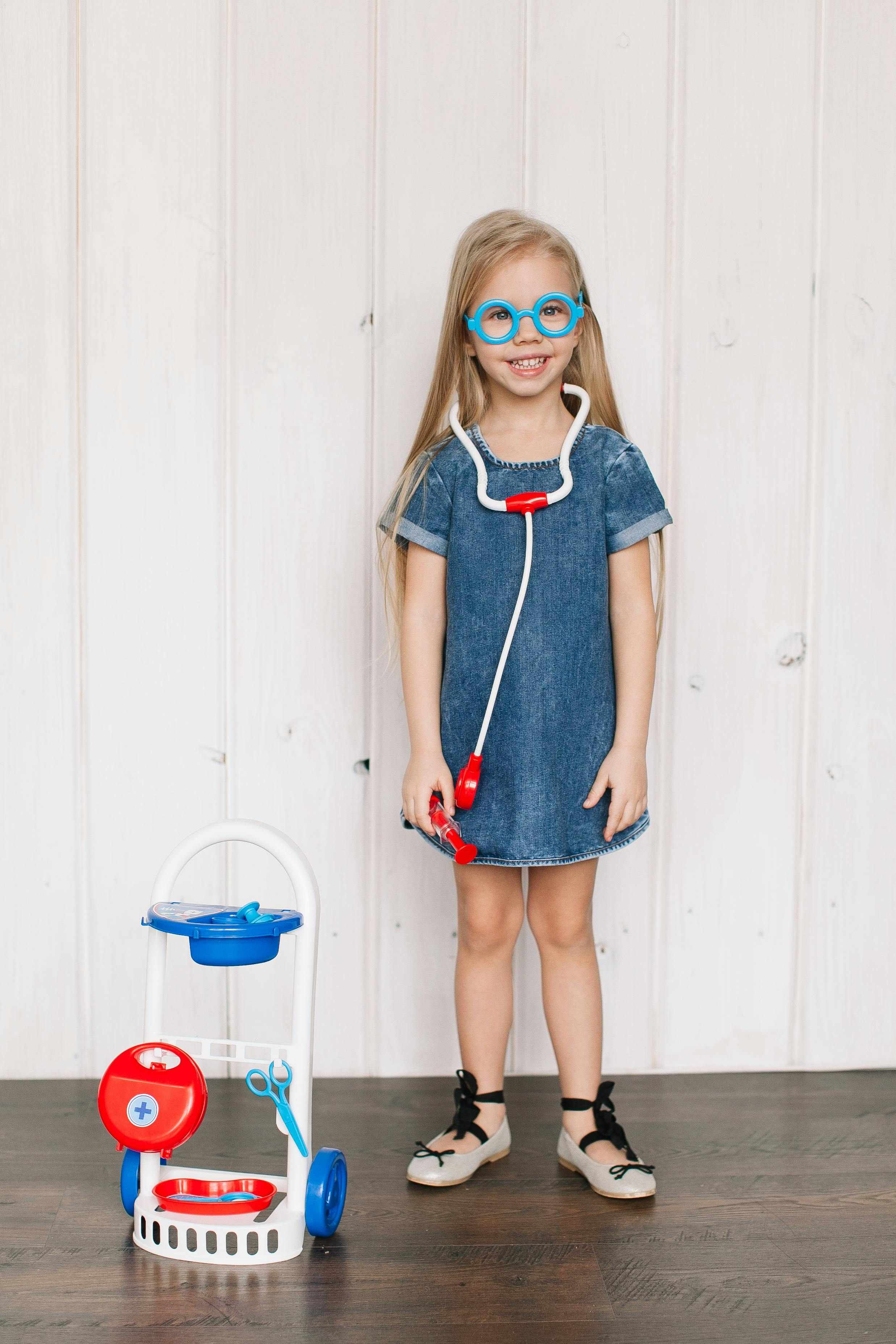
· Dress-up clothes and costume racks help kids try new roles.
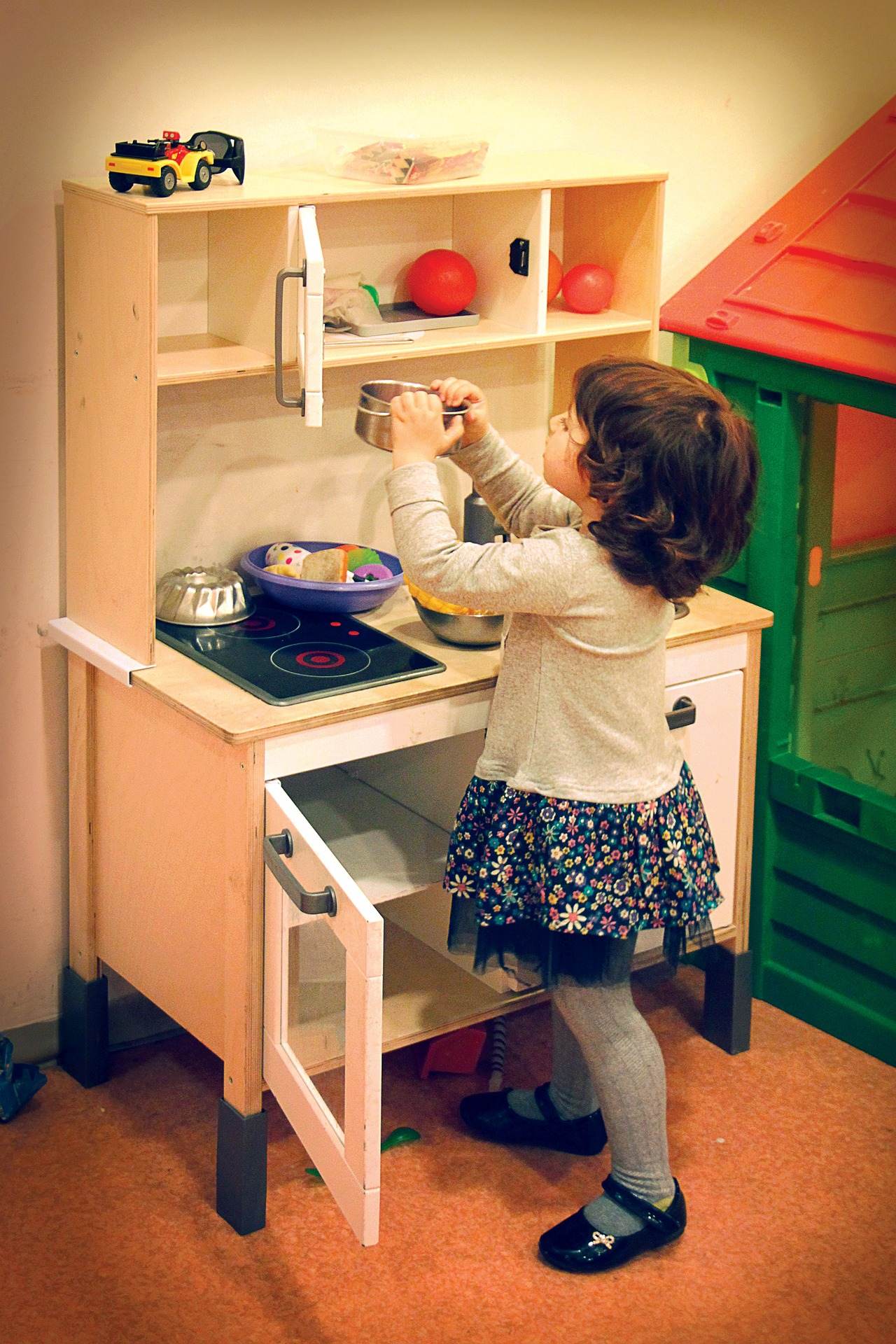
· Pretend kitchens and cooking sets let kids act out cooking.
· Toy furniture like small tables and chairs make play feel real.
· Toy cars and play mats help kids pretend to drive or build.
· Dolls and stuffed animals are used for tea parties or play.
· Everyday things, like a spoon, can become a pretend phone.
· Playhouses or tents let kids tell stories and act out scenes.
· Blocks and building toys help kids make places and stories.
Montessori-inspired toys, like stacking toys and bead mazes, also help with pretend play. These toys let kids explore and learn by using their hands. Kids can use their senses and be creative. There are no strict rules with these toys.
Role in Development
Pretend play toys do more than keep kids busy. They help kids grow in many ways. When kids use pretend play toys, they practice thinking, talking, moving, and feeling.
Pretend play toys are different from other toys. They let kids use their imagination. Some toys only need kids to push buttons or stack blocks. Pretend play toys ask kids to make up stories and play with others. This helps kids think and solve problems. When kids pretend to be a chef or firefighter, they learn to plan and fix problems as they play.
Research shows pretend play helps kids’ brains grow. Kids who pretend play get better at memory and focus. Studies show that kids who play this way improve self-control and flexible thinking. These skills help kids follow directions and reach goals.
Pretend play toys also help with language and talking. When kids act out stories, they use new words and practice talking. They talk with friends, take turns, and explain what they do. This helps kids learn to listen and share ideas.
When you support pretend play, you help your child learn empathy. Kids learn to see how others feel. They practice caring for dolls, sharing, and solving problems together. These moments help kids build strong feelings and good friendships.
Pretend play toys help kids grow in every way. They help with thinking, feelings, and moving. Kids use their hands to dress dolls or move cars, which helps small muscles. They also move their bodies when they act out scenes, which helps big muscles.
Pretend play toys get kids ready for real life. They help kids learn about friends, understand others, and tell stories. These skills are important for school and for life.
Cognitive Development
Creativity and Imagination
When you let kids use their imagination, they grow. Pretend play toys help kids enter new worlds. Picking up a costume or block is more than play. Kids make up stories and invent characters. They create fun adventures with these toys. This helps kids become more creative and imaginative. Jean Piaget, a well-known psychologist, said play helps kids learn about the world. When kids pretend to be a chef or doctor, they learn about real jobs.
Imaginative play lets kids try new ideas. They solve problems and learn from mistakes. Open-ended toys like blocks give kids freedom to invent. You can set up a pretend store or doctor’s office at home. This helps kids learn real-life skills while using imagination. If you join in and ask questions, kids think deeper and make better stories.
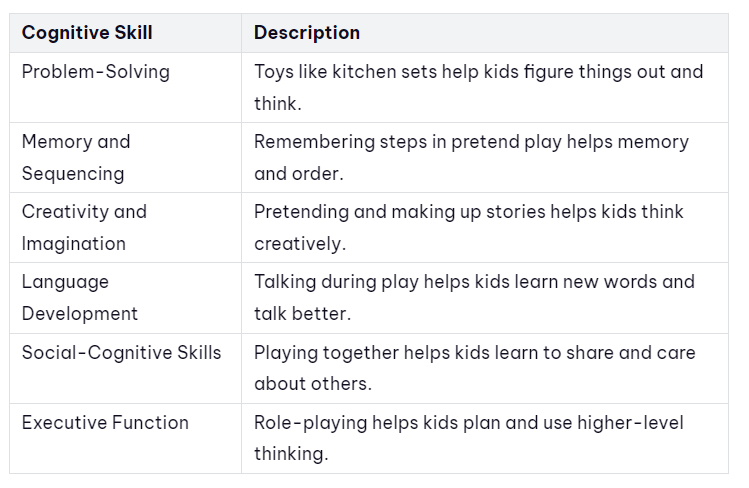
Here is a table that shows how pretend play toys help with thinking skills:
Imaginative play also helps kids grow emotionally. When kids care for dolls or act out stories, they learn to care about others. This kind of play helps all parts of a child’s growth.
Problem-Solving Skills
Pretend play gives kids many chances to solve problems. When they have a tea party or run a pretend store, they face small challenges. They decide what to serve and how to share. They fix problems that come up during play. These activities help kids think in new ways and see things differently.
· Pretend play helps kids think creatively and solve problems.
· Kids learn to make choices and see what happens next.
· They practice solving problems with friends and speaking up for themselves.
· These games help kids talk, work together, and adapt to changes.
Imaginative play often means working with others. When kids play together, they learn to take turns and solve fights. These skills are important for thinking and future success. Studies show pretend play helps kids remember, pay attention, and reason better. Kids who play this way get better at planning and thinking flexibly.
A study watched kids for years and found pretend play helped problem-solving. Kids handled challenges and found creative answers. This shows how important pretend play is for child development.
Language and Communication
Imaginative play is great for language and talking skills. When kids act out stories or talk with dolls, they use new words. Playing with others helps kids learn to listen and take turns. These skills are important for good communication.
· Pretend play helps kids tell stories and use bigger words.
· Playing with others teaches kids how to talk back and forth.
· Play helps kids learn new words and how to tell stories.
· Kids show feelings during play and learn to share thoughts.
Kids reach big language steps through pretend play. Around age four, kids use longer sentences and tell simple stories. They follow directions and act out roles. These activities help kids talk better and learn more words.
You can help your child talk better by joining their play. Ask questions, use new words, and let them tell stories. This helps kids become better at talking and thinking.
Encouraging Pretend Play
Choosing Pretend Play Toys
You can help your kids grow by picking good pretend play toys. Pick toys that fit your child’s age and what they are learning. Toddlers like toys that let them explore, like stacking blocks, dolls, and play kitchens. Preschoolers like arts and crafts, pretend play sets, and costumes. These toys help them be creative and learn to play with others. School-aged kids need toys that make them think, like building sets, science kits, and board games. Always make sure toys are safe, not toxic, and do not have small parts. Toys that match your child’s age keep them interested and help them learn new things. This way, they do not get bored or upset.
Creating a Play Environment
You can help kids play by making a space for them to explore. Set up a play area with open-ended toys, dress-up clothes, and art supplies. These things help kids use their imagination. Natural things, like rocks or sticks, can become pirate ships or magic wands. If you join your child’s play, even for a little while, you help them feel happy and get new ideas. A space with books, writing tools, and props helps kids learn and use language in fun ways.
Supporting Play at Home
You can help kids use their imagination by giving them themed boxes, like a restaurant or camping set. Fill these with real and pretend things. Make play spaces that look like places they know, like a grocery store or kitchen. Let your kids act out stories and pick what they want to use. Join in by playing a role and using props, but let your child be the leader. If your child feels shy, make a safe, quiet spot and give them open-ended toys. Do not push your child or say their ideas are wrong. Instead, cheer for their stories, set up short playtimes with friends, and praise their creative ideas. If your child keeps having trouble, you can get extra help.
· Give kids open-ended toys and dress-up clothes.
· Play with your child, but let them lead the story.
· Encourage kids to play alone and with others.
· Help shy kids with patience and kind words.
Pretend play toys give your kids more than fun. You help children build strong communication skills, empathy, and confidence when you make play part of daily learning. Kids who play often learn to solve problems, share, and manage emotional ups and downs. They grow creative and ready for new challenges. By choosing pretend play, you invest in your child’s happiness and future. Make play a valued part of your home and watch your kids thrive.

What We Supplied
Types of Toddler Toys
Toddler toys are designed and manufactured specifically for children aged 1 to 3 years old to develop key skills through appropriate play. These toys promote children's emotional, physical, cognitive, and social development in a fun way.
· Role-Playing Toys
· Doll & Action Figure Play
· Imitation and Everyday Life Play
· Pretend Vehicles and Transportation Toys
· Pretend Food and Dining Toys
· Fantasy & Imaginative Play Toys
· Art and Craft Kits
· Animal Care & Veterinarian Sets
· Musical & Performance Toys
· Animal & Nature Play