
School Supplies
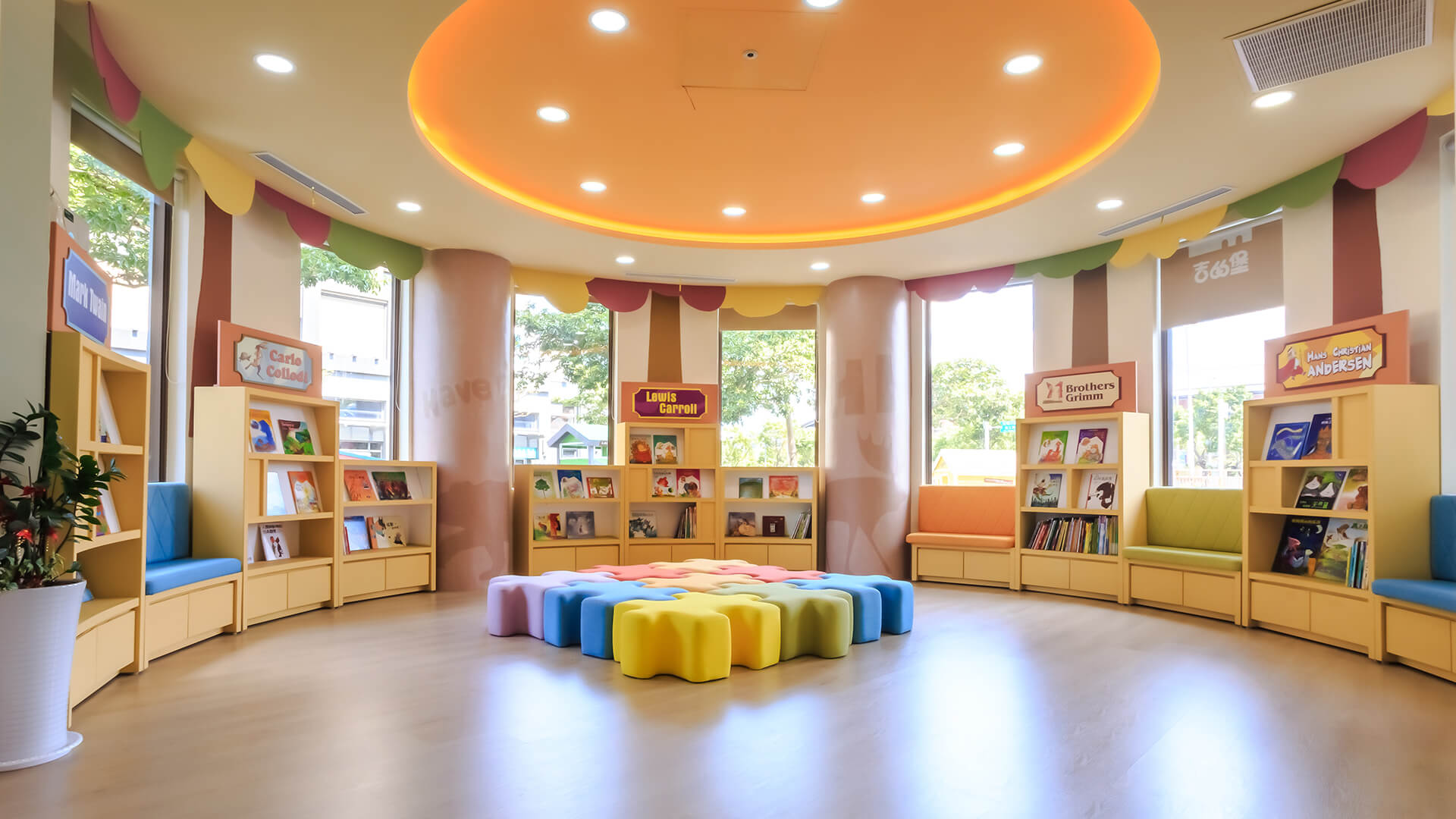
School supplies encompass a range of educational and administrative materials used by kindergartens, academic institutions, and primary and secondary schools, including indoor and outdoor toys, sports and fitness supplies, sports equipment, teaching aids, and furniture.
School supplies not only provide the necessary material basis for students' learning but also play an important role in classroom and extracurricular activities through their diverse functions and uses.


Multicolor Plastic Chairs for Kindergarten
Model NO.:LD26F62


Wooden Pizza Cutting Toy Kids Pizza Play Set develops hand-eye coordination
Model NO.:LD25F729

Motor Skills Preschool Human Organs Play Dough modeling clay
Model NO.:LD251E709
- 1
- 2
- 3
- 4
- 21

Key Takeaways
Leemoland meet different needs for each buyer. Bulk buyers, such as school districts, require many school supplies at once, while small buyers like teachers only need a few school supplies. A district might order hundreds of school supplies together, whereas a teacher may just purchase some basic school supplies. School districts have to stick to strict budgets when buying school supplies, and they also face challenges with supply chain issues and inventory systems for school supplies. Teachers focus on getting the school supplies they need on time. Parents want schools to have enough school supplies for students, and they lose trust if school supplies run out. Each group influences the demand for school supplies in their own way.
Leemoalnd helps many kinds of buyers. Some buyers are big, like school districts. Some buyers are small, like teachers and parents.
Good, steady, and flexible products help people trust the distributor. These products also help with different classroom needs.
Giving many types of supplies, even special or custom ones, helps schools and teachers get what they want.
Follow safety and quality rules. This keeps students safe and classrooms working well.
Fast and correct order delivery makes buyers happy. Flexible ways to pay also help both big and small buyers.
Good communication and support for each buyer type build trust. This helps make strong, long-lasting relationships.
School districts use special tools and steps to buy things. Leemoland learn these to work well with them.
Helping the community and planning for each season makes sure classrooms have enough supplies all year.
What are we most concerned about in School Supplies?
Quality
Consistency
School supplies always need to be of good quality. When supplies are always good, teachers and students trust them. Distributors check for things like:
· Pens and pencils that write smoothly
· Glue sticks that stick well
· Notebooks with strong paper
· Folders and labels with clear printing
Manufacturers must follow rules like ASTM, ISO, and CPSC. These rules make sure supplies are safe and work well. Distributors also check for the same colors, no surface problems, and correct labels. When supplies are always the same, classrooms get what they need every time.
Flexibility
Flexibility means supplies can work for different classroom needs. Some classes need special supplies for projects or teaching styles. Distributors give choices for both normal and special activities. For example, younger kids might use big crayons. Older kids might need thin markers. Flexible supplies help teachers and students with their changing needs.
Variety
Broad Range
A big variety of school supplies helps with many classroom tasks. Distributors have everything from pencils and paper to art and science kits. This lets teachers pick the best things for their students. School districts buy a lot to cover all classes. Teachers might buy just a few for special lessons. Having many choices keeps classrooms ready.
Niche Items
Some classes need special supplies that are not common. These include things like scissors for special needs or cards for learning languages. Distributors who have these items help all students. Special items show that distributors know what different classrooms need.
Customization
Branding
Many schools want their logo or colors on supplies. Distributors can put logos on folders, backpacks, and notebooks. Custom logos help students feel like part of the school. It also helps find school things in the classroom.
Personalization
Personalization is more than just logos. Some classes need supplies with student names or room numbers. Distributors can make labels or print names on items. This helps teachers keep things organized. It also makes students feel proud of their supplies. Personalization helps teachers manage the classroom and helps students care for their things. Note: Distributors who give good quality, many choices, and custom options help schools make learning better for everyone.
Compliance
Standards
School supplies have to follow strict rules. These rules keep students safe and help classrooms work well. Many states say school supplies must meet safety and quality rules. Some supplies cannot have dangerous chemicals. Other supplies must pass tests to show they are safe and strong. Distributors check every product to make sure it follows the rules before sending them to schools.
School districts often want proof that supplies meet state or national rules. They might ask for certificates or test results. Teachers and parents trust these rules to keep students safe. When distributors follow the rules, schools avoid problems and learning goes smoothly.
Adaptability
Classrooms change each year. New teaching ideas and technology come up. Distributors need to change their products to fit these new things. Some classrooms need supplies for students with special needs. Others need items that work with new digital tools. Distributors who give flexible choices help teachers handle new challenges.
Cost
Value Features
Schools want more than just cheap prices. They look for value features in every order. These features include strong packaging, easy labels, and extras like storage boxes. Distributors who add value help classrooms stay neat and ready to learn.
Students like supplies that last longer and work better. Teachers like items that save time and cut down on waste. Distributors who focus on value features earn trust from schools and parents. They show they care about what every classroom needs.
Relationship Building
We know how to build a great team
Focus on every client
Leemoland focuses on establishing a good and lasting cooperative relationship with every customer, paying attention to every customer's needs, and our team will invest 100% in every order.
Collaborative Negotiation:
Leemoland and our clients will work together when making deals. Both sides share what they want. They try to find answers that help everyone. This way, they can make better contracts and work together for a long time.
Continuous Evaluate Supplier
Evaluate our suppliers, and check how they are doing each time. We look at delivery times and whether the products are good. We also verify that the rules in the contract are being followed. This helps fix problems early and keeps the partnership strong.
Clear and Open Communication
Talking openly helps fix problems fast. Leemoland and our clients share news and ask questions. We talk about problems before they get big. Trust grows when both sides listen and respect each other.
Data Accuracy and Transparency
Good data helps people talk honestly. Leemoland will check each order, delivery, and quality. If there is a mistake, both sides work together to fix it.
Adaptability to External Factors
Sometimes, things outside their control change the supply chain. Leemoland and our clients talk about these problems. We work together to find new ways to solve them. This teamwork keeps our clients even when things are hard.
Joint Problem Solving
If a contract is not followed, both sides work together to fix it. This saves the partnership and keeps the business going.